 Nurturing Marriages, Enriching Families!
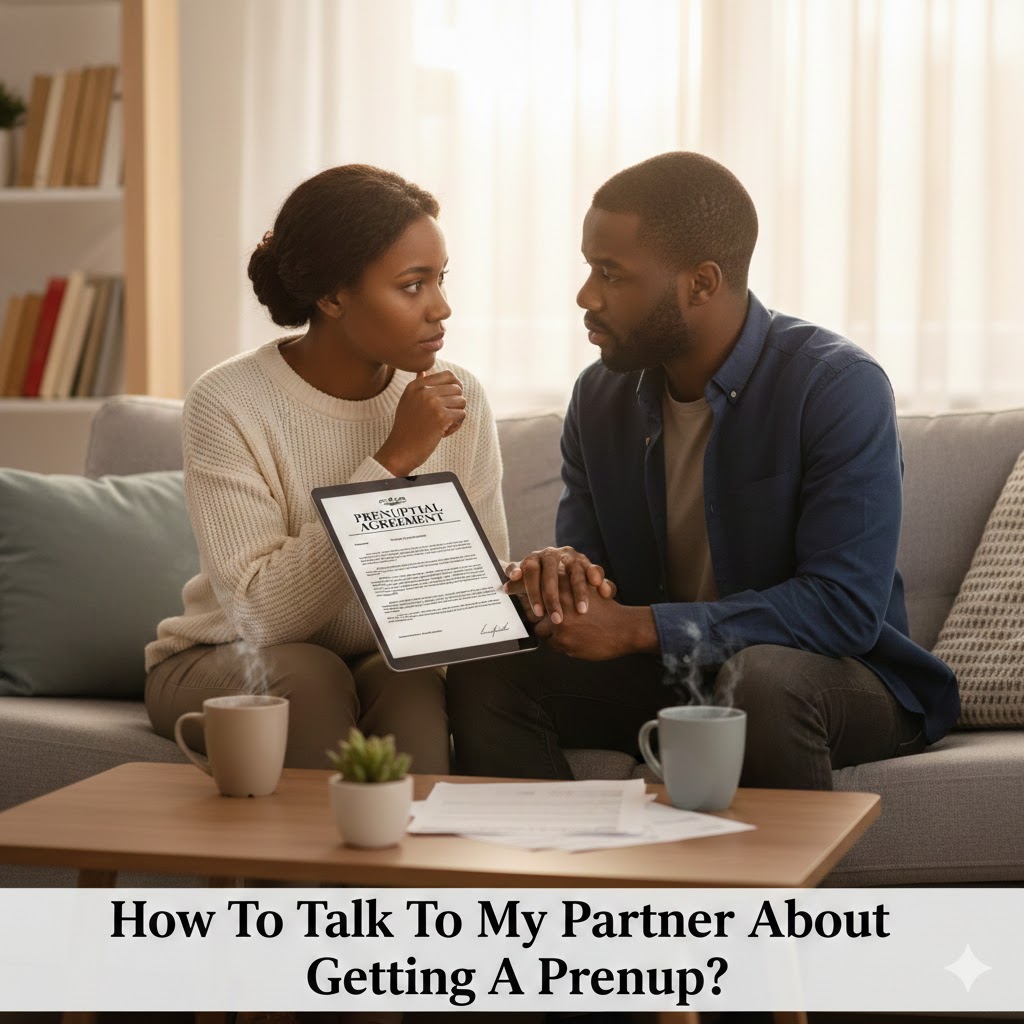
How To Talk To My Partner About Getting a Prenup?
Talking about a prenuptial agreement can feel uncomfortable, awkward, or even scary. For many couples, the word prenup immediately triggers fear, mistrust, or the assumption that one partner is already planning for divorce. Yet, in reality, discussing a prenup is less about expecting a marriage to fail and more about planning responsibly, communicating honestly, and protecting both partners.
If you are wondering how to talk to my partner about getting a prenup without damaging your relationship, the good news is that it’s absolutely possible to have this conversation in a respectful, loving, and constructive way. Like many important relationship discussions, success depends on timing, tone, and intention.
Understanding What a Prenup Really Is
Before raising the topic, it helps to understand what a prenuptial agreement actually represents. A prenup is a legal document created before marriage that outlines how assets, debts, and financial responsibilities would be handled if the marriage ends due to divorce or death.
Contrary to popular belief, prenups are not only for the wealthy. They can benefit couples where one partner owns a business, has existing property, carries debt, expects an inheritance, or simply wants financial clarity. At its core, a prenup is about transparency and mutual understanding, not pessimism.
When you understand this clearly, it becomes easier to explain your intentions without sounding defensive or accusatory.
Choose the Right Time and Setting
Timing can make or break this conversation. Bringing up a prenup during an argument, in public, or under stress can instantly put your partner on edge. Instead, choose a calm, private moment when you’re both relaxed and emotionally available.
Avoid raising the topic right after an engagement announcement, during wedding planning stress, or when finances are already tense. A quiet evening, a relaxed weekend, or a moment when you’re discussing future plans naturally can be ideal.
Think of it like planting a seed, not dropping a bomb.
Start With Your Commitment, Not the Contract
One of the biggest mistakes people make is leading with the legal details instead of emotional reassurance. Your partner needs to feel secure before they can listen openly.
Start the conversation by reaffirming your commitment to the relationship. Let them know that you are excited about marriage, that you see a future together, and that this discussion is coming from a place of care, not doubt.
For example, you might say that you want to talk about finances and expectations because you value honesty and want to avoid misunderstandings later. When your partner understands that your goal is protection and clarity for both of you, the conversation becomes less threatening.
Explain Your “Why” Clearly and Honestly
Your reasons for wanting a prenup matter. Be transparent about them without blaming or accusing your partner. Whether it’s protecting a family business, managing debt, safeguarding children from a previous relationship, or simply wanting financial clarity, explain your perspective calmly.
Avoid statements that sound like “just in case you leave me” or “if this doesn’t work out.” Instead, frame it as planning responsibly, just as couples plan insurance, wills, or emergency savings.
When your partner understands your personal motivations, they are more likely to respond with empathy rather than defensiveness.
Use “We” Language Instead of “I” Language
Language plays a powerful role in sensitive conversations. Framing the prenup as something that benefits both of you helps reduce the feeling of imbalance or suspicion.
Instead of saying “I want to protect my assets,” you could say “I think it would be helpful for us to be clear about finances so we both feel secure.” Instead of “I need this,” try “I’d like us to consider this together.”
This subtle shift communicates partnership rather than self-interest.
Be Prepared for Emotional Reactions
Even if you approach the topic gently, your partner may still feel hurt, shocked, or afraid. They might interpret the prenup as a lack of trust or as a sign that you expect the marriage to fail.
If this happens, resist the urge to argue or become defensive. Listen actively, acknowledge their feelings, and validate their concerns. You don’t have to agree with their fears to respect them.
Sometimes, your partner may need time to process the idea. That’s okay. This doesn’t have to be a one-time conversation with an immediate decision.
Educate, Don’t Pressure
Many negative reactions to prenups come from misinformation. Some people believe prenups are unfair, one-sided, or designed to leave one partner with nothing. Gently suggest learning about prenups together from neutral sources or even speaking to a legal professional jointly.
Make it clear that a prenup should be fair, transparent, and mutually agreed upon. Emphasize that both partners would have legal representation and input. This reassures your partner that the agreement isn’t about control or advantage.
What matters most is that your partner never feels forced or cornered.
Emphasize That a Prenup Can Strengthen Trust
While it may seem counterintuitive, discussing a prenup can actually strengthen a relationship. It encourages honest conversations about money, expectations, career plans, debt, family responsibilities, and long-term goals—topics that often cause conflict later when they are avoided.
You can explain that you see the prenup as a framework for clarity rather than conflict. Knowing where you both stand financially can reduce anxiety and prevent resentment in the future.
When framed correctly, a prenup becomes part of building a strong foundation, not undermining it.
Be Open to Compromise
Going into the conversation with a rigid mindset can create resistance. Be open to hearing your partner’s concerns and adjusting your expectations where reasonable. Perhaps the prenup can be reviewed after a certain number of years, or adjusted to reflect future changes like children or career shifts.
Flexibility shows that you value the relationship more than the document itself.
Remember, the goal is not to “win” the argument but to arrive at an agreement that feels fair and respectful to both of you.
Know When to Seek Professional Guidance
If the conversation becomes emotionally charged or stuck, involving a neutral third party such as a counselor or financial advisor can help. Sometimes, hearing explanations from a professional removes personal tension and helps both partners feel heard.
Premarital counseling, in particular, can be a safe space to discuss prenups alongside other important marital topics.
Final Thoughts
Talking to your partner about getting a prenup doesn’t have to damage your relationship. When handled with honesty, empathy, and respect, it can actually deepen trust and communication. A prenup is not a prediction of failure; it is a thoughtful approach to partnership, responsibility, and mutual protection.
The key is to approach the conversation as a team, not as opponents. When both partners feel secure, valued, and included, even difficult topics can become opportunities for growth and understanding.










.jpg)



Sign in to comment