 Nurturing Marriages, Enriching Families!
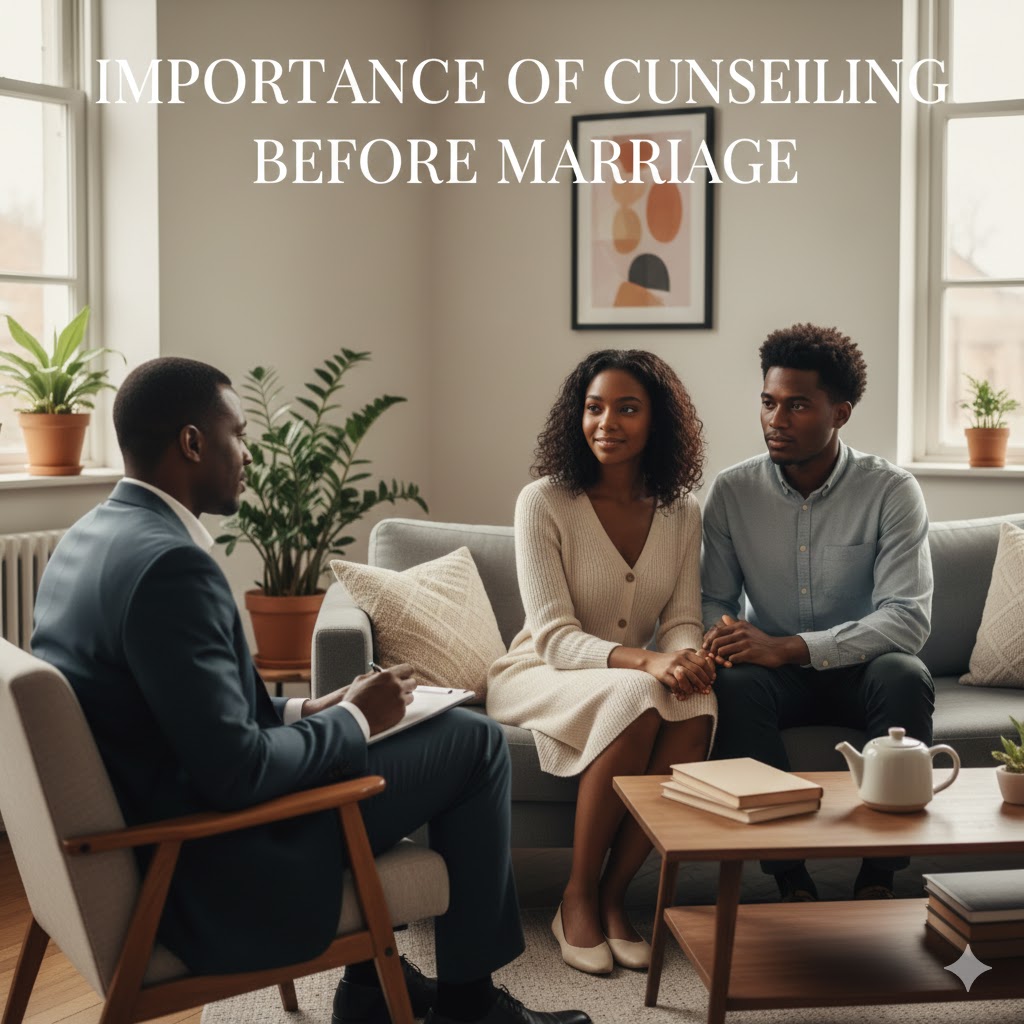
Importance of Counseling Before Marriage: Building a Strong Foundation for Your Future
Marriage is a lifelong commitment that brings immense joy, companionship, and growth. However, it also comes with challenges, responsibilities, and adjustments. Every couple hopes for a happy, enduring partnership, but the reality is that many marriages face conflict, misunderstandings, and unmet expectations. This is where pre-marriage counseling, also called premarital counseling, becomes a critical tool.
Pre-marriage counseling is designed to prepare couples for the realities of married life. It equips partners with the skills, insights, and strategies necessary to navigate challenges effectively while strengthening their emotional connection. The goal is not to predict the future but to provide a foundation for a healthy, resilient marriage.
Understanding Pre-Marriage Counseling
Pre-marriage counseling involves structured sessions with a trained therapist, counselor, or religious advisor. Couples explore key aspects of their relationship, including communication, conflict resolution, financial management, family dynamics, and expectations. Counseling can be conducted in individual sessions or jointly as a couple, and often includes exercises, assessments, and guided discussions.
Counseling is not a sign of weakness. On the contrary, it demonstrates a proactive approach to building a strong, informed, and intentional marriage. Many couples enter marriage with limited awareness of their partner’s values, habits, and expectations. Counseling helps uncover these factors early, reducing the likelihood of surprises or unresolved conflicts later.
Why Counseling Before Marriage is Important
1. Promotes Effective Communication
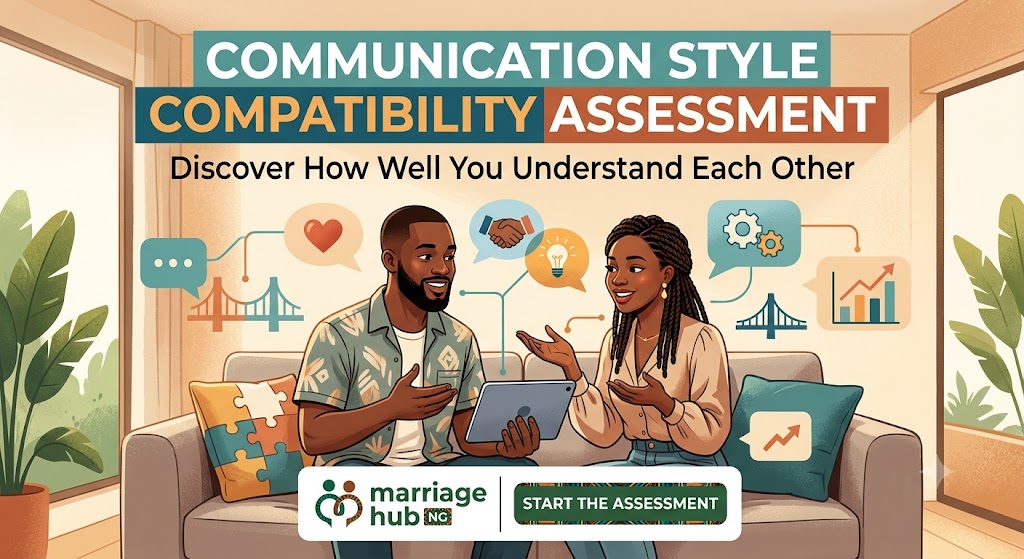
Communication is the cornerstone of every successful marriage. Couples often enter marriage without fully understanding each other’s communication styles. Miscommunication can escalate minor disagreements into major conflicts.
Pre-marriage counseling teaches couples how to express feelings, needs, and concerns constructively. It helps partners learn active listening skills, empathy, and conflict resolution techniques. When couples communicate effectively, they are better equipped to handle disagreements without damaging the relationship.
2. Clarifies Expectations
Unspoken assumptions and unmet expectations can cause frustration in marriage. Counseling provides a platform to discuss topics that are often overlooked, such as household responsibilities, career ambitions, intimacy, and parenting styles.
By discussing expectations upfront, couples gain clarity on shared goals and potential areas of compromise. This understanding fosters mutual respect and reduces misunderstandings, helping both partners feel heard and valued.
3. Builds Conflict Resolution Skills
Conflict is inevitable in any long-term relationship. Pre-marriage counseling helps couples develop strategies for resolving disagreements constructively. Rather than resorting to anger, avoidance, or passive-aggressive behaviors, couples learn how to approach conflicts calmly and productively.
Counseling may include role-playing exercises, scenario analysis, and guidance on negotiation. Couples also learn to identify triggers, manage emotions, and find solutions that satisfy both partners. These skills are invaluable for sustaining a healthy marriage.
4. Enhances Emotional Intimacy
Marriage is more than shared responsibilities—it is an emotional partnership. Counseling helps couples deepen their emotional connection by fostering trust, vulnerability, and understanding.
Through guided discussions, couples explore their personal histories, values, and attachment styles. Understanding each other’s emotional needs enhances empathy and reduces the likelihood of misinterpretation or emotional distance. Emotional intimacy is a key predictor of long-term marital satisfaction.
5. Prepares for Financial Management
Money is one of the leading causes of marital conflict worldwide. Differences in spending habits, saving priorities, and financial goals can strain even the strongest relationships.
Pre-marriage counseling addresses these issues by helping couples discuss budgeting, debt management, and long-term financial planning. Couples learn to set realistic expectations, create shared financial goals, and communicate openly about money—minimizing the risk of conflict in the future.
6. Addresses Family and Cultural Dynamics
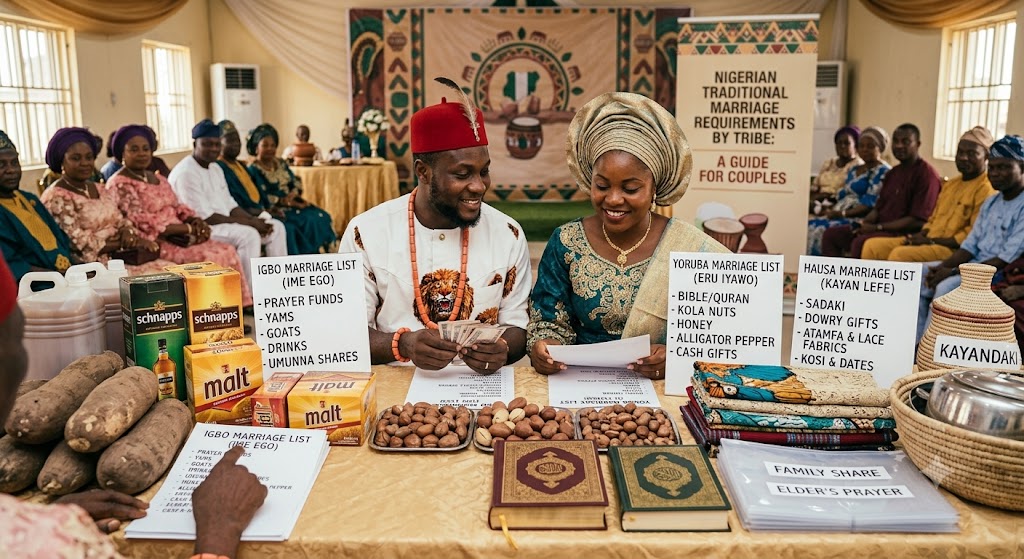
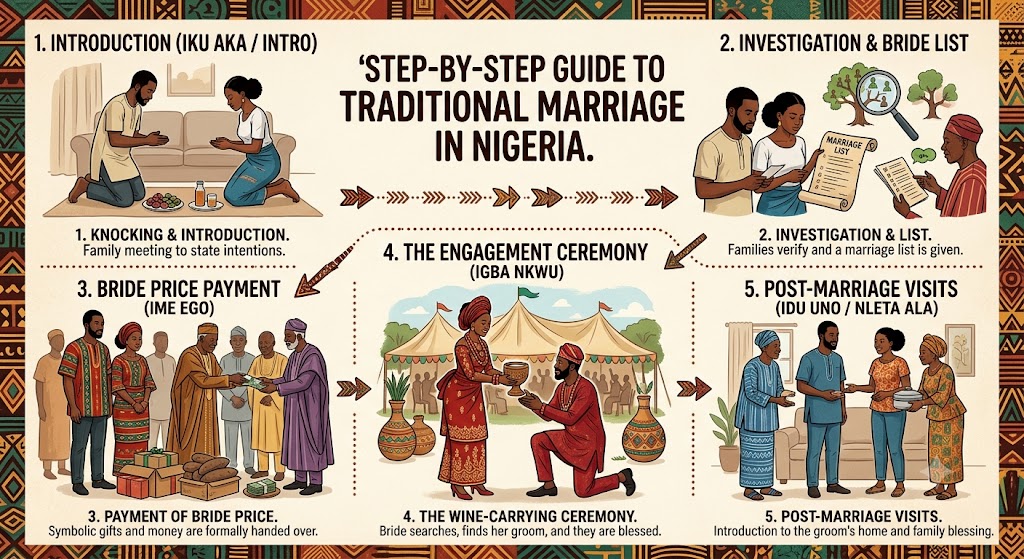
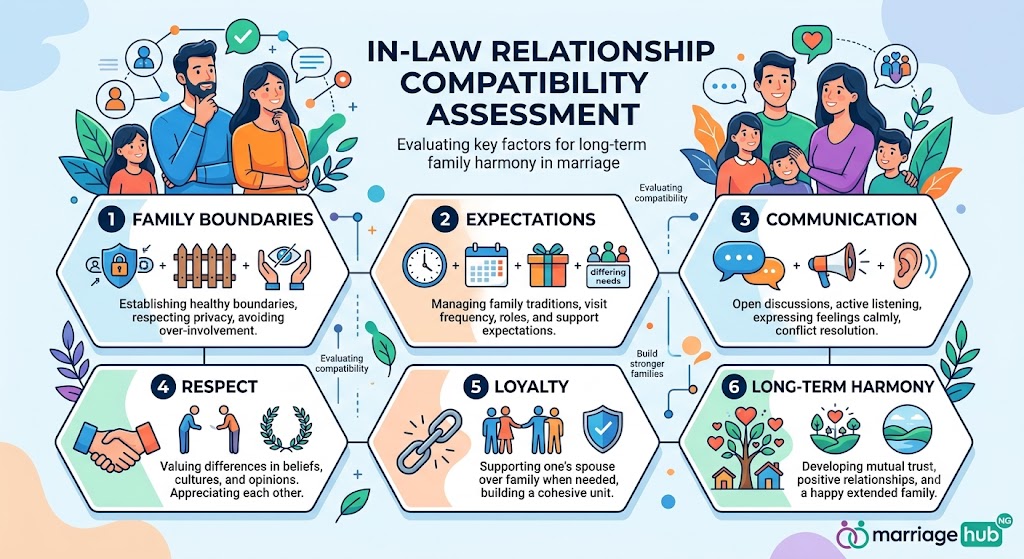
Many couples enter marriage with complex family and cultural expectations. Differences in traditions, religious beliefs, and family involvement can create tension. Counseling helps couples navigate these dynamics proactively.
Couples learn to set boundaries, communicate preferences to family members, and respect cultural differences without compromising their relationship. Understanding and managing family expectations early can prevent future disputes and enhance marital harmony.
7. Provides Insight Into Long-Term Compatibility
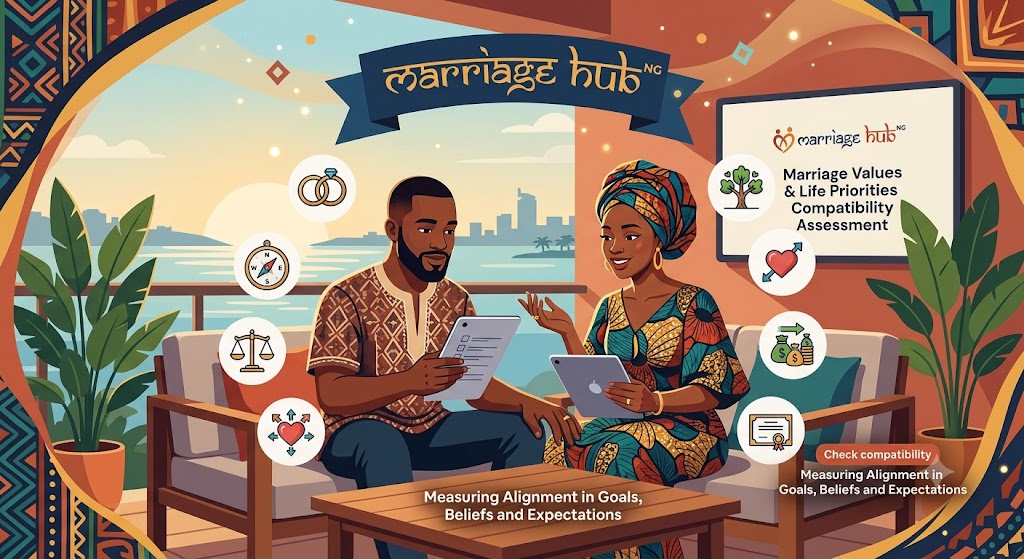
Pre-marriage counseling encourages couples to evaluate long-term compatibility honestly. This includes assessing shared values, life goals, parenting philosophies, and approaches to challenges.
While love is essential, compatibility is equally important for sustaining a fulfilling marriage. Counseling provides a structured way to explore these factors and make informed decisions about the future. Couples who engage in premarital counseling are more likely to enter marriage with realistic expectations and a stronger foundation.
8. Reduces Risk of Divorce
Research shows that couples who undergo pre-marriage counseling have a lower risk of divorce compared to those who do not. Counseling equips couples with tools to manage conflict, communicate effectively, and navigate challenges.
According to American Association for Marriage and Family Therapy, premarital counseling significantly increases marital satisfaction and reduces the likelihood of separation. By investing time in counseling, couples are investing in a lasting, fulfilling partnership.
9. Encourages Personal Growth
Marriage is not only about the couple; it is also about individual growth. Counseling encourages self-awareness, reflection, and personal responsibility. Partners learn to recognize their own strengths, weaknesses, and emotional patterns.
This self-awareness fosters growth and resilience, allowing each partner to contribute positively to the relationship. Personal development before marriage enhances emotional intelligence and strengthens the marital bond.
10. Creates a Roadmap for the Marriage
Pre-marriage counseling is not just about addressing challenges—it is also about envisioning a shared future. Couples create a roadmap for their marriage, identifying goals, values, and shared commitments.
This roadmap serves as a guide for navigating life’s transitions, such as moving in together, having children, or changing careers. By clarifying intentions and expectations, couples can approach their marriage with confidence and unity.
Making the Most of Pre-Marriage Counseling
To maximize the benefits of counseling before marriage, consider the following tips:
-
Choose a Qualified Counselor: Look for a certified marriage therapist or premarital counselor with experience guiding couples through diverse challenges.
-
Be Honest and Open: Authenticity is crucial. Share your fears, expectations, and concerns without reservation.
-
Commit to the Process: Attend all sessions and actively participate in exercises and discussions.
-
Discuss Difficult Topics: Avoiding tough conversations only postpones potential problems. Address finances, intimacy, and family dynamics openly.
-
Apply Lessons Learned: Counseling is most effective when couples implement the strategies, communication tools, and insights gained in their daily lives.
Conclusion
Pre-marriage counseling is an essential investment for couples seeking a strong, lasting marriage. It promotes communication, clarifies expectations, strengthens emotional intimacy, and equips partners with conflict resolution skills. Counseling also prepares couples for financial, familial, and cultural challenges while fostering personal growth and compatibility.
Entering marriage without preparation is like starting a journey without a map. Pre-marriage counseling provides guidance, perspective, and tools that increase the likelihood of marital satisfaction and longevity. Couples who commit to this process are better equipped to navigate life’s challenges together and enjoy a fulfilling, harmonious relationship.
Whether you’re planning a wedding or considering marriage in the future, investing time in counseling is a proactive step toward building a relationship rooted in love, respect, and mutual understanding. Your marriage deserves a strong foundation, and pre-marriage counseling is one of the most effective ways to ensure it.


.jpg)
Sign in to comment