 Nurturing Marriages, Enriching Families!
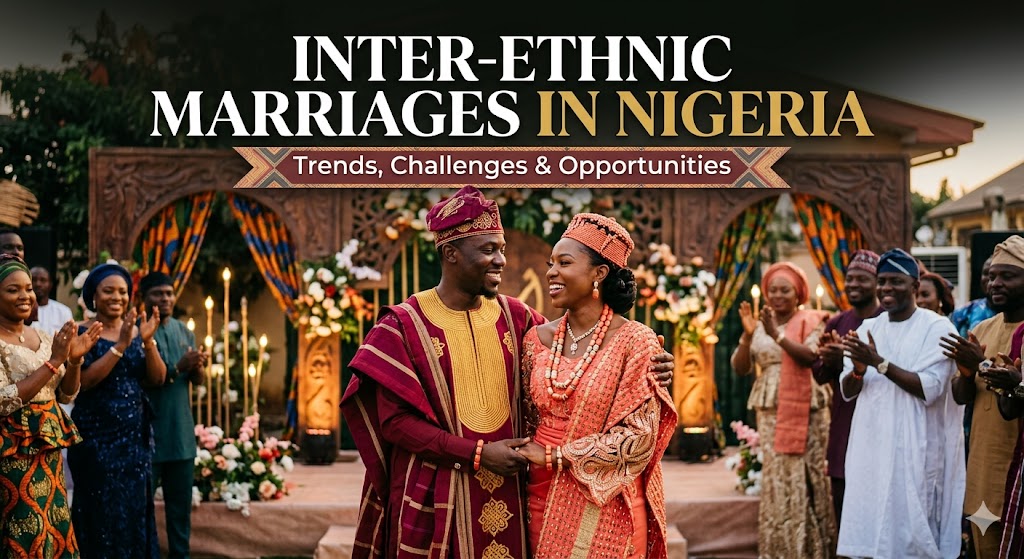
Inter-Ethnic Marriages in Nigeria: Trends, Challenges & Opportunities.
Nigeria is one of the most culturally diverse countries in the world, with over 250 ethnic groups and hundreds of languages. For decades, marriage in Nigeria was largely shaped by ethnicity, with families encouraging unions within the same cultural group. Today, however, that reality is changing. Inter-ethnic marriages—once rare or even discouraged—are becoming more visible and increasingly accepted, especially among younger generations.
From Lagos to Enugu, Abuja to Port Harcourt, more Nigerians are choosing partners based on love, compatibility, and shared values rather than ethnic background. This shift reflects broader societal changes driven by urbanization, education, and globalization. Yet, while inter-ethnic marriages offer significant benefits, they also come with unique challenges that couples must navigate.
This article explores the trends, challenges, opportunities, and real-life experiences of inter-ethnic marriages in Nigeria, providing a balanced and practical perspective grounded in the Nigerian context.
Understanding Inter-Ethnic Marriage in Nigeria
Inter-ethnic marriage refers to a union between individuals from different ethnic groups. In Nigeria, this could mean a Yoruba person marrying an Igbo partner, a Hausa-Fulani individual marrying someone from the South-South, or any combination across the country’s diverse ethnic landscape.
Historically, such unions were limited and sometimes discouraged due to cultural differences, language barriers, and concerns about family compatibility. However, modern Nigeria is experiencing a gradual shift, with more people embracing diversity in relationships.
Recent observations and surveys suggest that inter-ethnic marriages have increased significantly over the past decade, driven by factors such as urbanization, education, and increased interaction among different groups . This trend is particularly strong in urban areas, where people from different backgrounds live, work, and socialize together.
Trends Driving Inter-Ethnic Marriages in Nigeria
One of the most important drivers of inter-ethnic marriages is urbanization. Cities like Lagos, Abuja, and Port Harcourt bring together people from across Nigeria. In these environments, ethnic identity becomes less of a barrier, and individuals are more likely to form relationships based on proximity and shared experiences.
Education also plays a critical role. Universities and higher institutions serve as melting pots where students from different ethnic backgrounds interact closely. These interactions often lead to friendships and relationships that transcend cultural boundaries.
Economic migration is another contributing factor. Many Nigerians move away from their hometowns in search of jobs and better opportunities. As they settle in new regions, they form connections with people from different ethnic groups, increasing the likelihood of inter-ethnic unions.
Globalization and digital culture have further accelerated this trend. Social media and online platforms expose Nigerians to diverse perspectives and relationship norms. Younger generations, in particular, are more open-minded and less bound by traditional expectations.
Research also indicates that inter-ethnic marriages are becoming more common as a result of increased social interaction in workplaces, schools, and communities . This suggests that the trend is likely to continue as Nigeria becomes more interconnected.
Real-Life Case Studies and Experiences
The realities of inter-ethnic marriages in Nigeria can best be understood through real-life experiences.
A couple based in Lagos—a Yoruba woman and an Igbo man—met during their university years. Initially, their families were hesitant, expressing concerns about cultural differences and future misunderstandings. However, over time, both families embraced the relationship, especially after seeing the couple’s commitment and mutual respect. Today, they describe their marriage as enriching, as they have learned to blend their cultures and traditions.
In Abuja, a Hausa woman married to a man from the South-South shares a different experience. While their relationship is strong, they faced challenges related to religious expectations and family acceptance. With open communication and patience, they were able to find common ground and build a supportive family environment.
Another example comes from Enugu, where a couple from different ethnic groups runs a small business together. They note that their diverse backgrounds have actually been an advantage, allowing them to connect with a wider range of customers and communities.
These stories reflect a broader reality: inter-ethnic marriages in Nigeria are not without challenges, but they can be successful and rewarding when built on understanding and respect.
Key Challenges of Inter-Ethnic Marriages
Despite growing acceptance, inter-ethnic marriages still face several challenges in Nigeria.
One of the most common issues is family resistance. Many families still prefer their children to marry within the same ethnic group, citing cultural preservation and ease of integration. In some cases, this resistance can lead to conflict or emotional pressure on the couple.
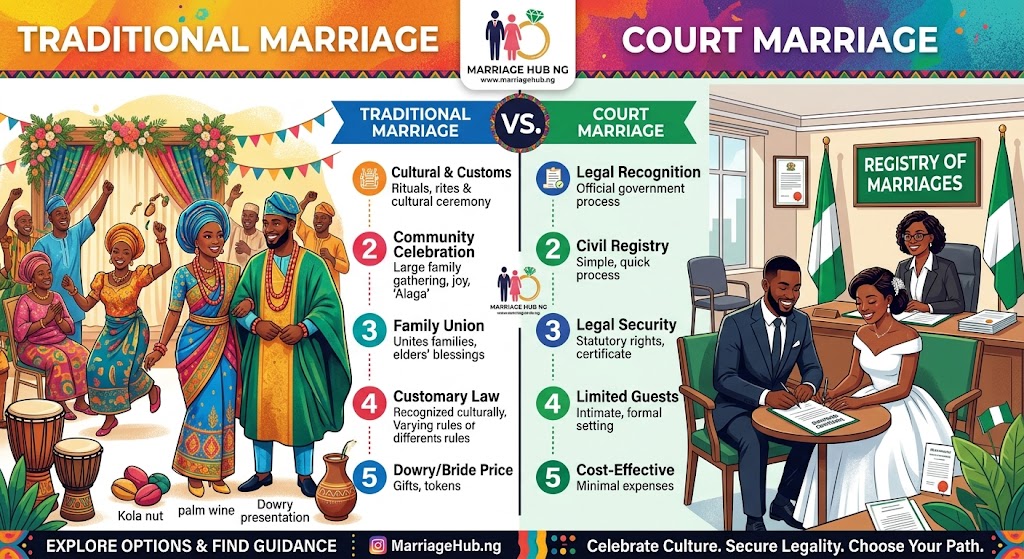
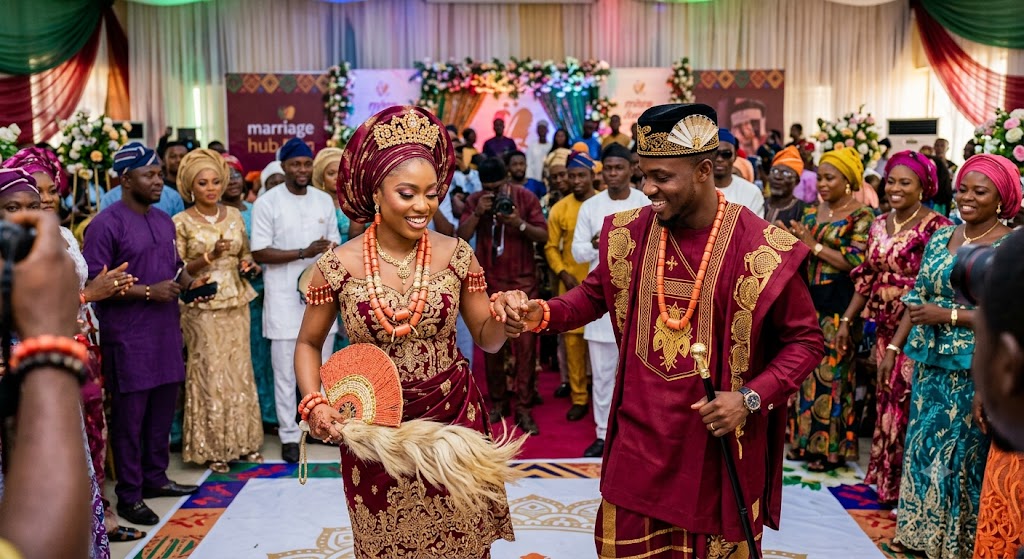
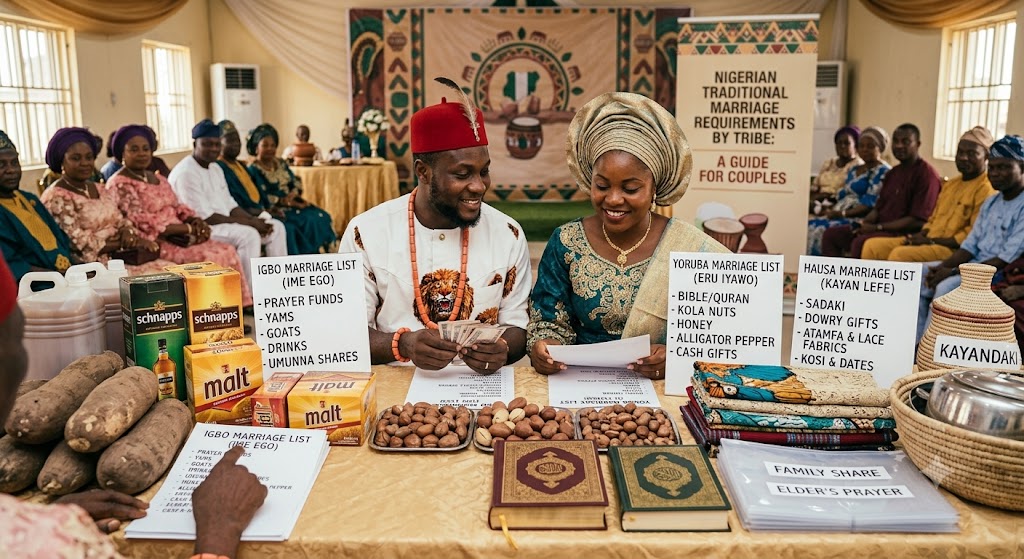
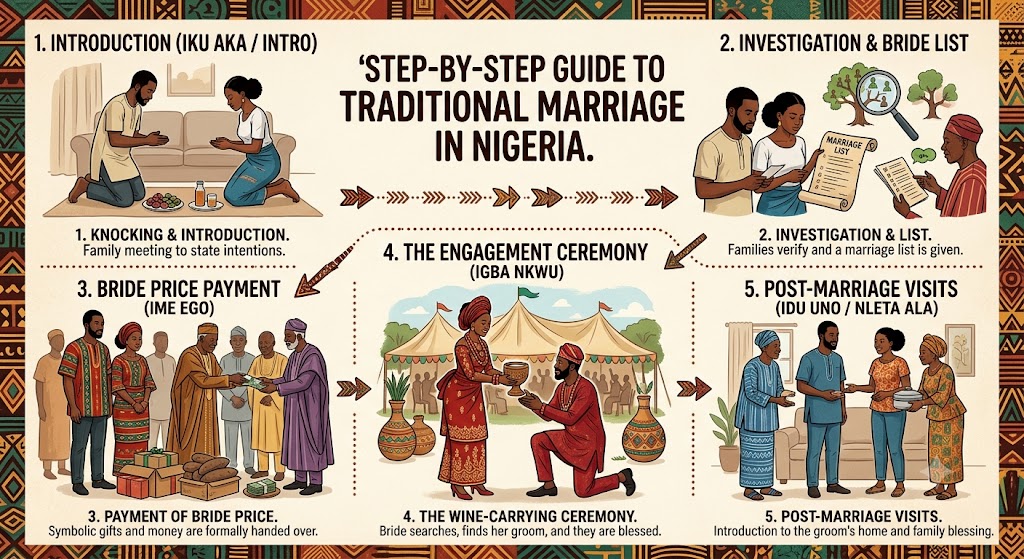
Cultural differences are another major challenge. Nigeria’s ethnic groups have distinct traditions, values, and practices. Differences in areas such as marriage rites, gender roles, and family expectations can create misunderstandings if not properly addressed.
Language barriers can also pose difficulties. With over 500 languages spoken in Nigeria, communication can sometimes be a challenge, especially when interacting with extended family members .
There are also societal biases and stereotypes associated with different ethnic groups. These perceptions can influence how couples are treated by their communities and even affect their own expectations within the marriage.
Research suggests that inter-ethnic marriages may face additional stress due to cultural differences, which can impact marital satisfaction if not managed effectively . However, these challenges are not insurmountable.
Opportunities and Benefits of Inter-Ethnic Marriages
While challenges exist, inter-ethnic marriages offer significant opportunities for individuals and society.
One of the most important benefits is cultural enrichment. Couples have the opportunity to learn from each other’s traditions, languages, and values. This can lead to a richer and more diverse family experience.
Inter-ethnic marriages also promote national unity. By bridging cultural divides, they help reduce stereotypes and foster understanding among different groups. In a country like Nigeria, where ethnic tensions have historically been a source of conflict, this is particularly important.
Children from inter-ethnic marriages often grow up with a broader perspective and greater cultural awareness. They are exposed to multiple traditions and languages, which can enhance their adaptability and social skills.
Economically, inter-ethnic marriages can create new opportunities. Couples with diverse backgrounds may have access to wider networks and markets, which can be beneficial in business and career development.
There is also evidence that inter-ethnic marriages contribute to social cohesion by encouraging interaction and mutual respect between communities .
Navigating Inter-Ethnic Marriage Successfully
Success in inter-ethnic marriages often depends on intentional effort and mutual understanding.
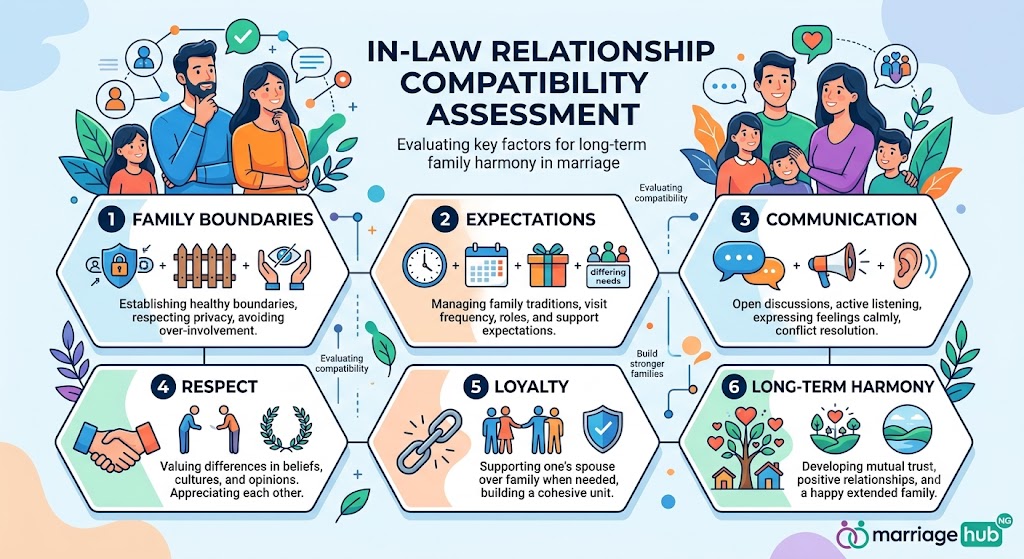
Communication is essential. Couples must be willing to discuss their differences openly and find ways to integrate their cultures. Respect for each other’s traditions and values is equally important.
Family engagement can also play a crucial role. Involving families early in the relationship and addressing their concerns can help build acceptance and support.
Flexibility is another key factor. Couples may need to adapt certain practices or create new traditions that reflect both cultures. This requires compromise and a willingness to embrace change.
Real-life experiences show that couples who prioritize compatibility, respect, and shared goals are more likely to succeed, regardless of ethnic differences.
The Future of Inter-Ethnic Marriages in Nigeria
Looking ahead, inter-ethnic marriages are likely to become even more common in Nigeria. As urbanization continues and younger generations embrace diversity, traditional barriers are gradually breaking down.
However, the pace of change may vary across regions. While urban areas are becoming more open, rural communities may continue to hold on to traditional preferences.
The future will likely see a blending of cultures, where individuals maintain their heritage while embracing new identities. Inter-ethnic marriages will play a key role in shaping this evolving landscape.
Inter-ethnic marriages in Nigeria represent a powerful symbol of change. They reflect a society that is becoming more interconnected, more open, and more focused on individual choice.
While challenges such as family resistance, cultural differences, and societal biases remain, the opportunities for growth, unity, and cultural exchange are significant. For many couples, inter-ethnic marriage is not just about love—it is about building bridges across Nigeria’s diverse cultural landscape.
As more Nigerians embrace these unions, they are contributing to a more inclusive and cohesive society, where diversity is not just tolerated but celebrated.
Join the MarriageHub Community
Looking to connect, learn, or grow in your relationship journey?
👉 Join groups/tribes: https://www.marriagehub.ng/all-groups
👉 Create your own group: https://www.marriagehub.ng/create-tribes-group
👉 Explore products, services & downloads: https://www.marriagehub.ng/marketplace




.jpg)
Sign in to comment