 Nurturing Marriages, Enriching Families!

Love vs. Tradition: How Modern Values Are Reshaping Marriage in Nigeria
Marriage in Nigeria has always been more than a personal relationship; it is a cultural institution deeply rooted in family, community, and tradition. For generations, marriage decisions were guided by customs, parental influence, ethnic considerations, and religious expectations. Love, while important, was often expected to grow after marriage rather than serve as its primary foundation.
Today, that reality is changing. Across Nigeria—especially in urban centers like Lagos, Abuja, Enugu, Port Harcourt, and Onitsha—modern values are reshaping how people approach marriage. Young Nigerians are increasingly prioritizing love, compatibility, personal choice, and emotional connection over traditional expectations. This shift is creating both opportunities and tensions, as individuals navigate the delicate balance between honoring tradition and embracing modernity.
This article explores how modern values are transforming marriage in Nigeria, supported by data trends, real-life case studies, and insights from everyday experiences.
Marriage in Traditional Nigerian Society
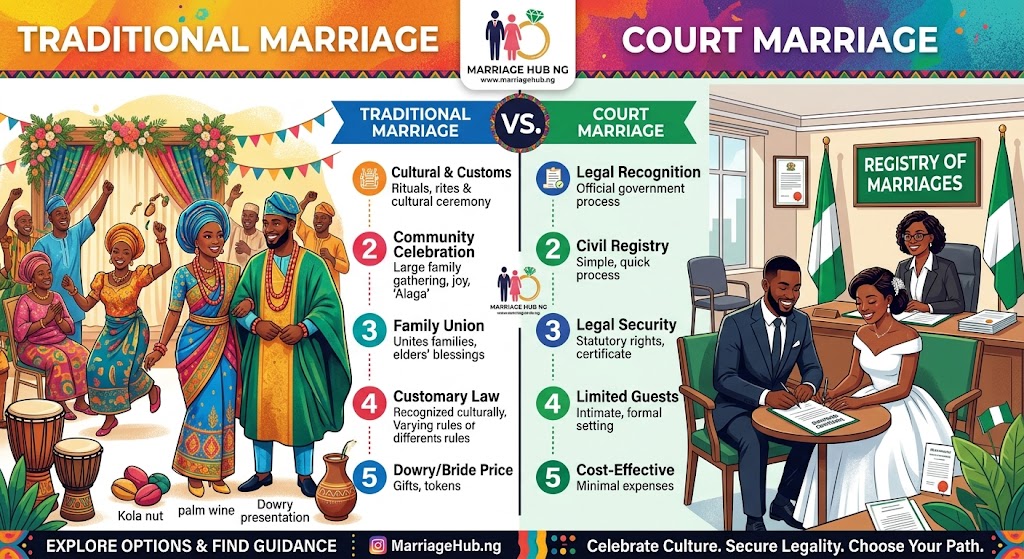
Traditionally, marriage in Nigeria was a collective decision involving not just two individuals, but two families—and sometimes entire communities. Parents and elders played a significant role in selecting partners, often prioritizing factors such as family background, ethnicity, religion, and social status.
In many cultures, arranged or semi-arranged marriages were common. Compatibility was measured less by emotional connection and more by shared values, family reputation, and economic stability. Love was expected to develop over time, rather than serve as the starting point.
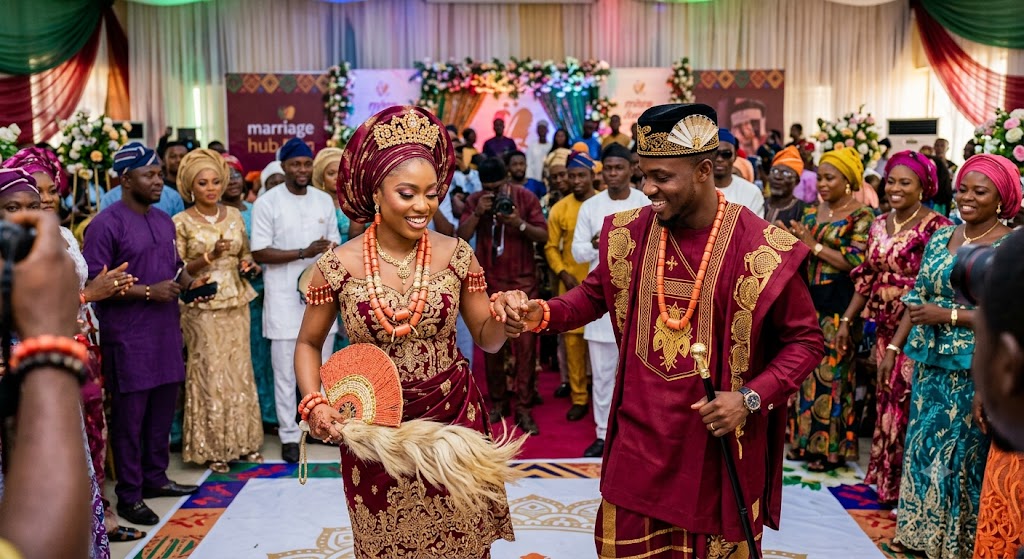
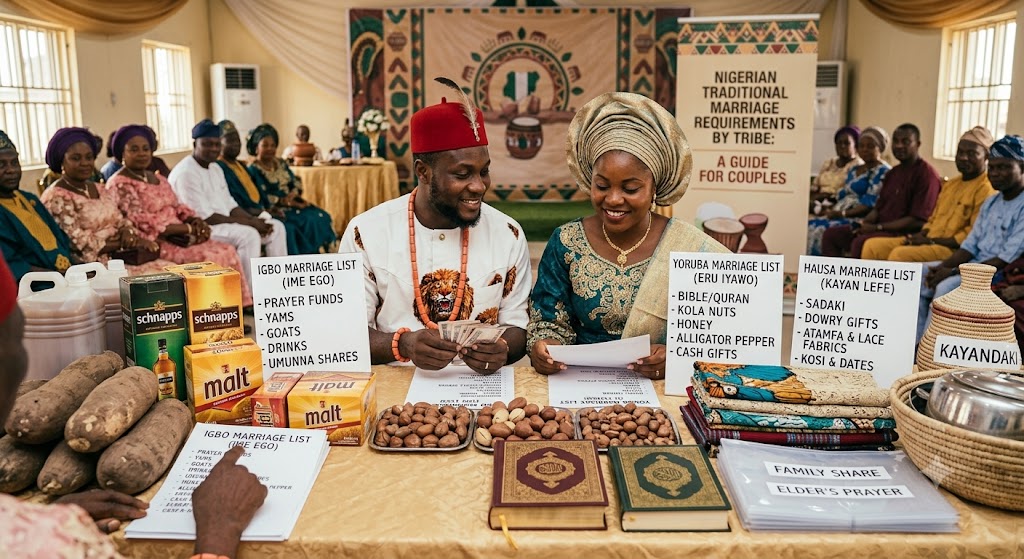
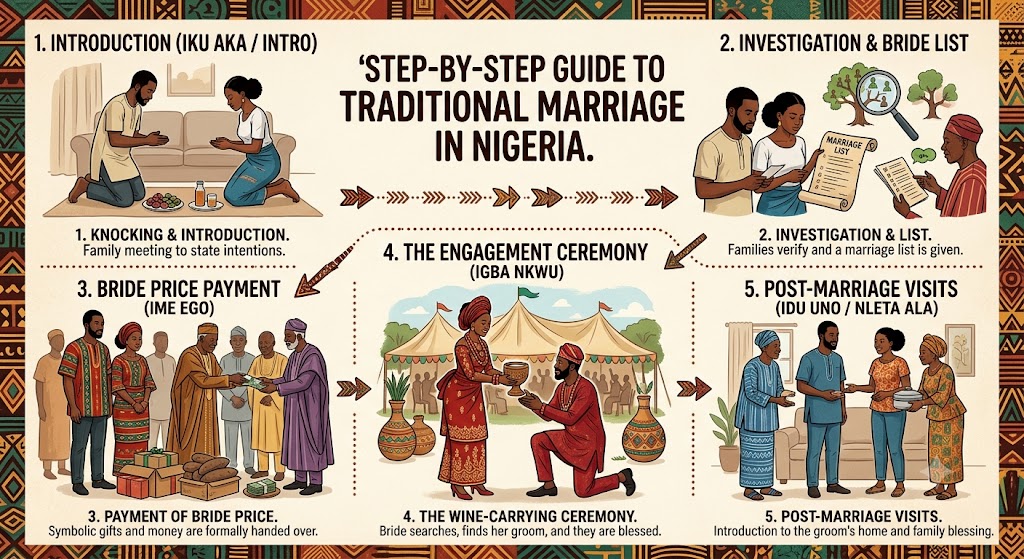
Bride price negotiations, traditional rites, and extended family involvement were essential parts of the process. Marriage was seen as a duty and a rite of passage, with strong expectations around timing, roles, and responsibilities.
The Rise of Love-Based Marriages
In recent years, there has been a noticeable shift toward love-based marriages in Nigeria. Young people are increasingly choosing their partners based on emotional connection, shared interests, and personal compatibility.
This shift is influenced by several factors, including education, urbanization, and exposure to global cultures. Social media, movies, and digital platforms have introduced new ideas about relationships, emphasizing romance, partnership, and individual choice.
A growing number of Nigerian youths now believe that love should be the foundation of marriage, not just an added benefit. This has changed how relationships begin, develop, and transition into marriage.
Data and Trends: A Changing Landscape
Although comprehensive national data on “love vs. tradition” is limited, broader social indicators point to significant change:
- The average age at first marriage is rising, particularly in southern Nigeria
- More individuals are choosing their own partners without direct parental arrangement
- Inter-ethnic and inter-cultural marriages are becoming more common in urban areas
- There is increased emphasis on emotional compatibility and communication
These trends suggest a gradual shift from tradition-driven unions to choice-driven relationships.
Key Drivers of Change
One of the most important drivers of this transformation is education. As more Nigerians pursue higher education, they are exposed to diverse perspectives and ideas. Universities bring together people from different ethnic and cultural backgrounds, creating opportunities for relationships that transcend traditional boundaries.
Urbanization has also played a significant role. In cities, individuals are less constrained by traditional community structures and more influenced by modern lifestyles. Independence and personal choice are emphasized, allowing people to make decisions about relationships without as much external pressure.
Technology and social media have further accelerated change. Platforms like Instagram, Facebook, and X (Twitter) expose users to global relationship norms, romantic ideals, and alternative lifestyles. Online dating and digital communication have expanded the pool of potential partners, making it easier to connect with people outside one’s immediate community.
Economic factors are also reshaping marriage. Financial independence, especially among women, has shifted power dynamics within relationships. Women are no longer solely dependent on marriage for economic security, giving them greater freedom to choose partners based on love and compatibility.
Case Studies: Real-Life Experiences in Nigeria
The impact of these changes can be seen in the stories of everyday Nigerians.
A young woman from Enugu shares how she met her partner at university. They come from different ethnic backgrounds, which initially raised concerns from their families. However, their shared values and strong emotional connection helped them gain acceptance over time. For her, love was non-negotiable, even in the face of traditional expectations.
In Lagos, a 34-year-old professional recounts his experience of resisting family pressure to marry within his ethnic group. He eventually married someone from a different region, emphasizing that compatibility and understanding mattered more than cultural alignment. While the decision initially caused tension, his family gradually accepted the relationship.
Another case involves a couple in Abuja who delayed marriage for several years while building their careers. They prioritized emotional readiness and financial stability, choosing to marry only when they felt fully prepared. Their decision reflects a broader trend of intentional and thoughtful relationships.
These stories highlight a common theme: young Nigerians are increasingly willing to challenge traditional norms in pursuit of meaningful, love-based relationships.
The Role of Family: Influence vs. Independence
Despite the shift toward modern values, family influence remains strong in Nigeria. Parents and elders continue to play an important role in marriage decisions, particularly when it comes to cultural and religious considerations.
However, the nature of this influence is changing. Instead of direct control, many families now act as advisors rather than decision-makers. Young people are more likely to listen to their families while still maintaining the final say.
This shift can create tension, especially when personal choices conflict with traditional expectations. Inter-ethnic and inter-religious relationships, for example, often face resistance from families who prioritize cultural continuity.
Gender Roles and Changing Expectations
Modern values are also reshaping gender roles within marriage. Traditionally, men were expected to be providers, while women were responsible for home management and childcare. Today, these roles are becoming more flexible.
Women are increasingly pursuing careers and contributing financially to households. Men, in turn, are taking on more active roles in parenting and domestic responsibilities. These changes reflect a move toward partnership and equality in marriage.
However, the transition is not always smooth. Differences in expectations can lead to conflict, particularly when individuals hold different views about gender roles. Successful relationships often require open communication and mutual understanding.
Challenges of the Love vs. Tradition Shift
While the shift toward love-based marriages brings many benefits, it also presents challenges.
One major issue is the potential conflict between personal choice and family expectations. Navigating this tension can be emotionally difficult, especially when individuals feel torn between love and loyalty to their families.
Another challenge is the influence of social media. While it has expanded opportunities for connection, it has also created unrealistic expectations about relationships. Many people compare their relationships to idealized versions online, which can lead to dissatisfaction and pressure.
There is also the risk of prioritizing love without considering other important factors such as values, communication, and long-term compatibility. Love alone may not be sufficient to sustain a marriage without a strong foundation.
Implications for Nigerian Society
The shift from tradition to modern values is transforming not just individual relationships, but society as a whole.
Marriage is becoming more personalized, with individuals placing greater emphasis on their own preferences and goals. This has led to more diverse relationship patterns, including inter-ethnic marriages and delayed unions.
At the same time, traditional institutions are adapting to these changes. Cultural practices are being reinterpreted to fit modern realities, creating a blend of old and new.
Economically, the rise of modern marriages is influencing industries such as weddings, real estate, and consumer goods. Couples are making different choices about how and when to spend, reflecting their changing priorities.
The Future of Marriage in Nigeria
Looking ahead, the balance between love and tradition will continue to evolve. While modern values are gaining influence, tradition remains an important part of Nigerian identity.
The future of marriage in Nigeria will likely involve a hybrid approach, where individuals combine personal choice with cultural heritage. Couples may continue to honor traditional rites while making independent decisions about their relationships.
As younger generations redefine marriage, the focus will increasingly be on partnership, compatibility, and shared goals. This shift has the potential to create stronger, more fulfilling relationships, even as it challenges long-standing norms.
The story of marriage in Nigeria is no longer one of tradition alone. It is a dynamic interplay between love and culture, individuality and community, modernity and heritage.
Young Nigerians are leading this transformation, choosing partners based on emotional connection while still navigating the expectations of family and society. Their decisions reflect a desire for meaningful relationships that go beyond obligation.
As this evolution continues, marriage in Nigeria will remain a powerful institution—but one that is constantly adapting to the realities of a changing world.
Join the MarriageHub Community
Looking to connect, learn, or grow in your relationship journey?
👉 Join groups/tribes: https://www.marriagehub.ng/all-groups
👉 Create your own group: https://www.marriagehub.ng/create-tribes-group
👉 Explore products, services & downloads: https://www.marriagehub.ng/marketplace
Follow Us
📱 WhatsApp: https://whatsapp.com/channel/0029VbCav9MCcW4pw3GSM72w
🐦 X (Twitter): https://x.com/MarriageHubNG
📘 Facebook: https://web.facebook.com/MarriageHubNigeria
📸 Instagram: https://www.instagram.com/marriagehubng3




.jpg)
Sign in to comment