 Nurturing Marriages, Enriching Families!
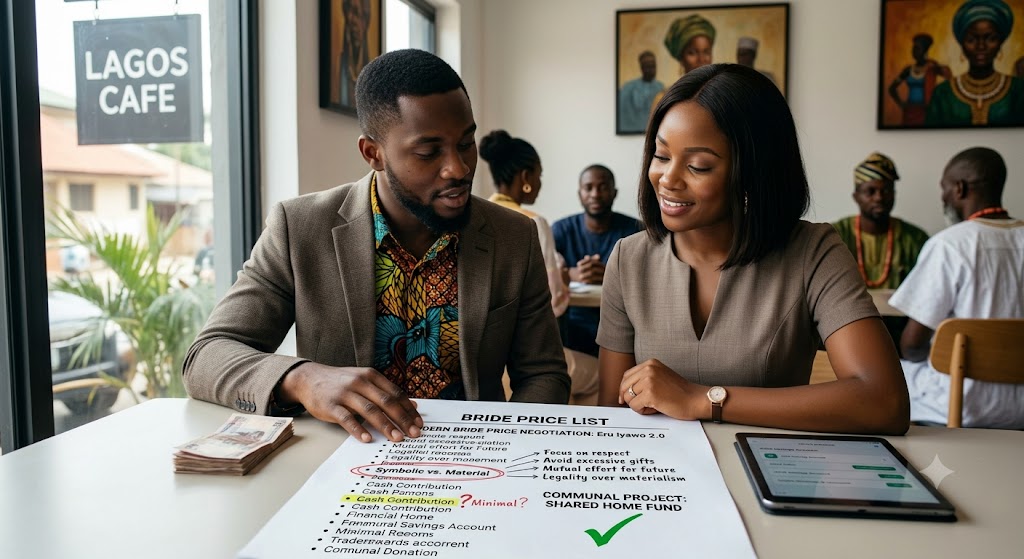
Modern Views on Bride Price in Nigeria: Tradition, Culture, Challenges and the Future of Marriage
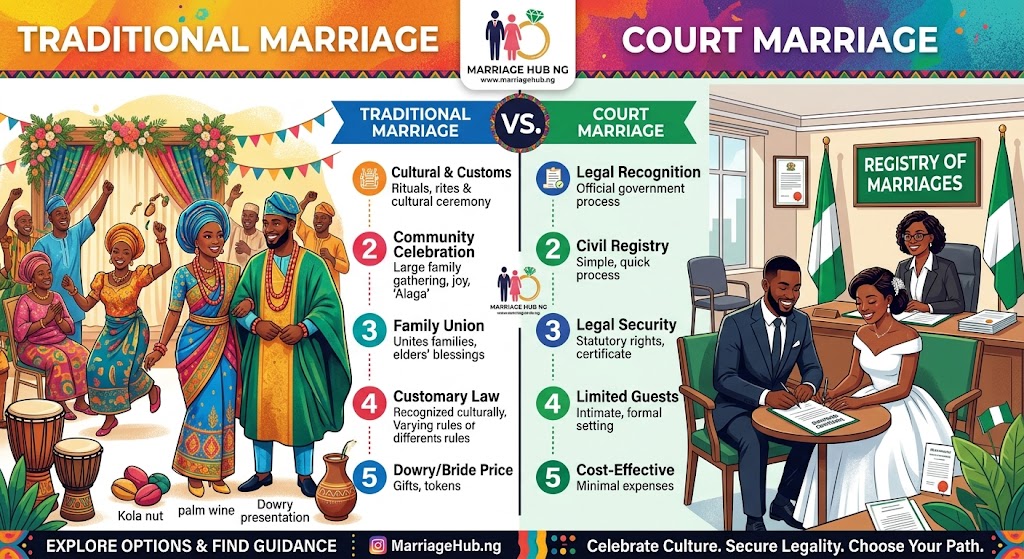
Bride price remains one of the oldest and most respected marriage traditions in Nigeria. Whether it is called bride price, bride wealth, dowry (though technically different), marriage list, or traditional marriage requirements, the practice continues to play an important role in bringing families together before a couple is formally recognized as husband and wife under customary law.
Across Nigeria's more than 250 ethnic groups, the customs surrounding bride price differ considerably. Among the Igbo, Yoruba, Hausa, Efik, Ibibio, Tiv, Idoma, Urhobo, Edo, Ijaw, Nupe, Kanuri, and many other ethnic nationalities, bride price symbolizes respect, appreciation, and the formal union of two families rather than the purchase of a bride. However, modern economic realities, changing gender roles, urbanization, higher education, and increasing global exposure have significantly changed how Nigerians perceive this age-old tradition.
Today, bride price remains one of the most debated marriage topics in Nigeria. Some believe it strengthens family values and preserves cultural identity, while others argue that excessive bride price demands delay marriages, increase financial pressure on young men, and sometimes contribute to unhealthy power dynamics within marriages.
Understanding these modern perspectives helps couples and families appreciate the cultural significance of bride price while adapting it to contemporary realities.
The Historical Meaning of Bride Price
Bride price has existed in Nigeria for centuries, long before colonial rule and modern legal systems. Traditionally, it represented a symbolic gesture of appreciation from the groom's family to the bride's family for raising and nurturing their daughter.
Contrary to a common misconception, bride price was never intended to place a monetary value on a woman. Instead, it acknowledged the effort, love, and investment that her family had made throughout her upbringing. It also served as a formal declaration that the groom intended to care for his wife and accept responsibility for their future family.
In many communities, the bride price itself was modest. The ceremony often focused more on cultural rites, blessings from elders, exchange of gifts, prayers, and the strengthening of relationships between both families than on financial transactions.
Bride Price Across Nigerian Cultures
Nigeria's cultural diversity means there is no single bride price tradition.
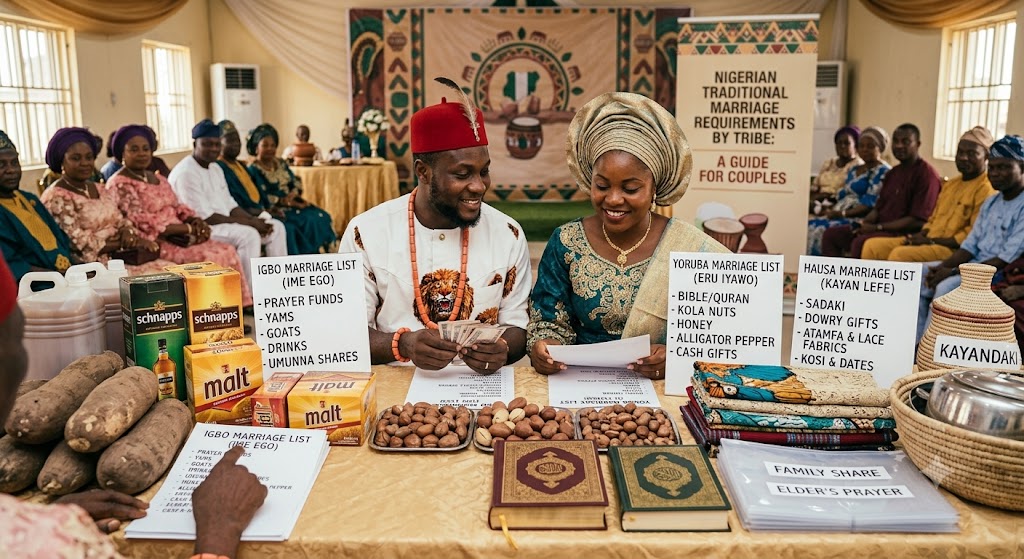
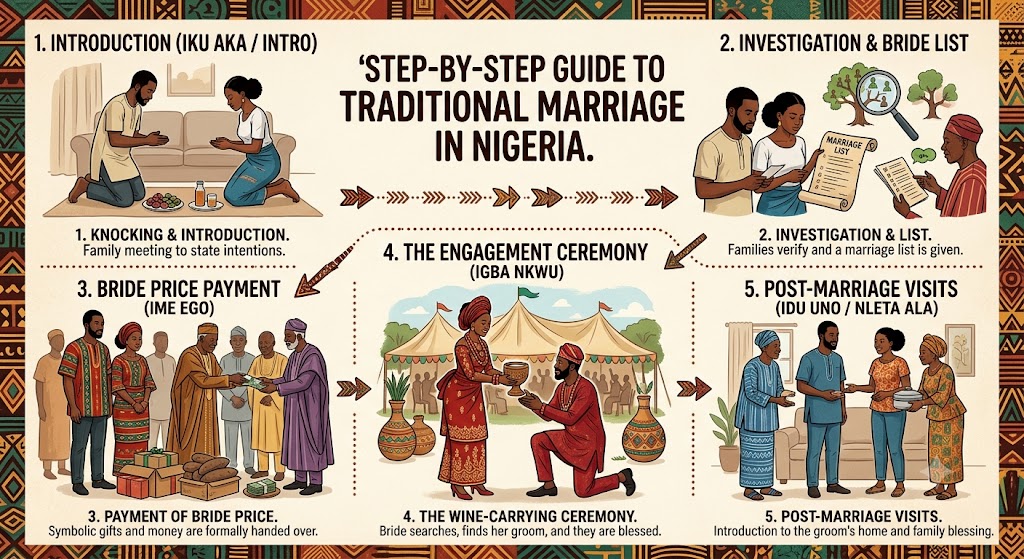
Among the Igbo, the bride price negotiation usually follows the payment of the "Ime Ego" or traditional marriage rites, where symbolic amounts are presented alongside gifts requested by the bride's family. In many Igbo communities, the actual bride price may be surprisingly small, while additional traditional items such as drinks, foodstuffs, clothing, livestock, or household gifts form a larger part of the ceremony.
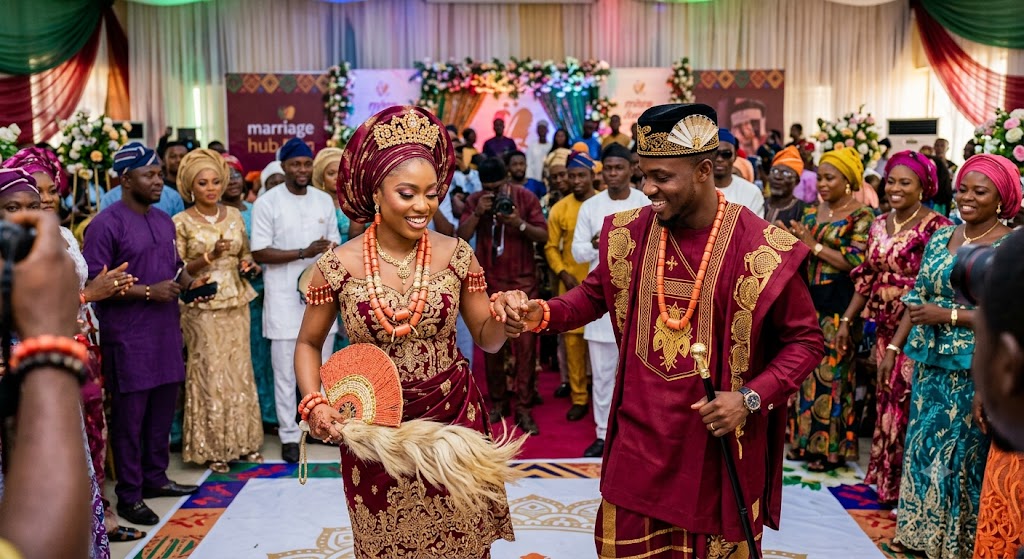
Among the Yoruba, the traditional engagement ceremony, known as the introduction and engagement, often includes symbolic monetary gifts, kolanuts, alligator pepper, fruits, clothing materials, and various cultural items. Families generally emphasize mutual respect and joyful celebration rather than financial burden.
Within Hausa and Fulani communities, the Islamic concept of Mahr plays a significant role. Unlike the customary bride price paid to parents, Mahr is given directly to the bride as her personal property and is recognized under Islamic law as one of her rights.
Many minority ethnic groups across the Niger Delta, Middle Belt, and Southern Nigeria also maintain unique customs that combine symbolic payments with elaborate cultural ceremonies celebrating family unity.
How Modern Nigeria Has Changed Bride Price
Nigeria today is vastly different from the country that existed several decades ago. Rapid urbanization, higher educational attainment, increased female participation in the workforce, delayed marriages, migration, and globalization have reshaped attitudes toward traditional marriage customs.
Many young Nigerians now meet through universities, workplaces, professional associations, social media, and online dating platforms rather than solely through family introductions. As a result, couples increasingly discuss bride price expectations together before involving their parents.
Modern couples also tend to view marriage as a partnership based on equality, shared responsibility, and mutual respect. Consequently, many families are becoming more flexible regarding traditional marriage requirements, recognizing that financial stability after marriage is often more important than extravagant traditional ceremonies.
The Growing Debate Over Expensive Bride Price
Perhaps the biggest modern controversy surrounding bride price is the increasing commercialization of traditional marriage ceremonies.
In some communities, marriage lists have become significantly longer than they were decades ago. Families may request expensive drinks, luxury clothing, electronics, cash payments, livestock, generators, furniture, and numerous ceremonial items.
Some lists reportedly cost several millions of naira before wedding expenses are even considered.
Critics argue that these high demands discourage marriage, encourage couples to postpone weddings, increase debt among young men, and sometimes push couples into cohabitation instead of formal marriage.
Supporters, however, maintain that many reports are exaggerated and that reasonable families often negotiate the requirements to suit the financial capacity of the groom.
Economic Realities Affect Bride Price
Nigeria's current economic climate has inevitably influenced attitudes toward bride price.
High inflation, rising food prices, increased transportation costs, unemployment, and the rising cost of housing mean that many young couples already face enormous financial challenges before marriage.
For many families, spending millions of naira on traditional ceremonies may leave little capital for establishing a stable home, paying rent, furnishing apartments, investing in businesses, or preparing for children.
Relationship experts increasingly advise families to prioritize the long-term welfare of the couple over elaborate cultural displays.
The Rise of Symbolic Bride Price
One noticeable trend across Nigeria is the growing acceptance of symbolic bride price.
Many enlightened families intentionally request only modest amounts, emphasizing that the marriage itself is more important than financial payments.
In some communities, elders publicly announce that bride price should remain symbolic to prevent the impression that daughters are being sold.
This approach preserves cultural heritage while reducing unnecessary financial pressure on young couples.
Women's Perspectives on Bride Price
Modern Nigerian women hold diverse opinions regarding bride price.
Many women continue to value the tradition because it demonstrates respect for their families and acknowledges the importance of cultural heritage. They often see bride price as an important rite of passage that formally legitimizes the marriage.
Others argue that excessive financial demands can unintentionally create unhealthy perceptions that a husband has "purchased" his wife, leading to controlling behaviour or unequal treatment within marriage.
Many educated women therefore support moderate, symbolic bride price that respects tradition while reinforcing equality and mutual respect.
Men's Perspectives
Young Nigerian men frequently express concern over the increasing financial burden associated with traditional marriages.
Apart from bride price, they are often expected to finance engagement ceremonies, weddings, accommodation, transportation, photography, catering, entertainment, and honeymoon expenses.
For many professionals just beginning their careers, these combined costs can delay marriage by several years.
As a result, many men advocate reforms that preserve culture without imposing unrealistic financial expectations.
What Religious Leaders Say
Christian and Islamic leaders generally recognize the cultural importance of bride price while cautioning against commercialization.
Many churches encourage reasonable bride price practices that do not discourage marriage or create financial hardship.
Islamic scholars similarly emphasize that Mahr should remain affordable and should never become an obstacle preventing lawful marriage.
Across many denominations, religious leaders increasingly encourage families to support young couples rather than burden them with excessive traditional requirements.
Social Media and Changing Attitudes
Social media has amplified discussions surrounding bride price like never before.
Videos of extravagant traditional weddings often go viral, creating unrealistic expectations among some families. At the same time, online debates have encouraged many Nigerians to question outdated practices and advocate reforms that balance cultural preservation with economic realities.
Relationship podcasts, YouTube channels, Facebook groups, TikTok discussions, and online communities now provide platforms where couples openly discuss bride price experiences and offer advice to others preparing for marriage.
Real-Life Nigerian Experiences
Consider the story of Chinedu and Ada, a young couple from Anambra State. Both worked in Lagos and planned to marry after five years of dating. When traditional marriage discussions began, the initial marriage list exceeded their annual combined savings. After respectful discussions between both families, several items were reduced, symbolic alternatives were accepted, and the wedding proceeded without unnecessary financial hardship. Today, both families remain close, demonstrating that dialogue and flexibility often produce better outcomes than rigid demands.
Another example comes from Ibadan, where Tunde and Sade worried that wedding expenses would delay their marriage indefinitely. Fortunately, both families agreed that building a successful marriage mattered more than an expensive ceremony. The bride price remained symbolic, allowing the couple to invest their savings in purchasing household items and making a down payment on their first apartment. Their experience illustrates how supportive families can help young couples begin married life on a stronger financial foundation.
Does High Bride Price Lead to Better Marriages?
There is little evidence to suggest that expensive bride price results in happier or more stable marriages.
Successful marriages are built on communication, trust, financial responsibility, emotional maturity, shared values, commitment, respect, and mutual understanding rather than the amount paid during traditional ceremonies.
Some couples who spent relatively little on bride price enjoy lifelong happy marriages, while others who organized lavish traditional weddings eventually divorced. The strength of a marriage depends far more on the character of the couple than on the cost of the ceremony.
Balancing Tradition with Modern Reality
Bride price remains an important cultural institution that deserves respect and preservation. However, traditions naturally evolve to reflect changing social and economic realities.
Many Nigerian families are now finding practical ways to honour tradition while reducing unnecessary financial burdens. Symbolic payments, flexible negotiations, shorter marriage lists, and greater focus on family unity rather than material displays represent positive developments that preserve culture without discouraging marriage.
Ultimately, the purpose of bride price should remain what it has always been: expressing gratitude, honouring families, and blessing a new union rather than creating financial obstacles.
The Future of Bride Price in Nigeria
The future of bride price in Nigeria will likely involve a balance between tradition and modernization. Cultural identity remains deeply important to Nigerians, and bride price ceremonies will almost certainly continue for generations. However, younger families are increasingly promoting moderation, transparency, and affordability.
As conversations about gender equality, financial planning, and healthy relationships continue to grow, bride price practices are expected to become more flexible and symbolic. The focus will increasingly shift from the value of material gifts to the value of love, mutual respect, and lifelong commitment.
A successful marriage is not measured by how much was paid during traditional rites but by how faithfully two people honour their vows every day thereafter. Families that understand this principle are helping preserve one of Nigeria's most treasured traditions while ensuring it remains relevant for future generations.
Build a Stronger Marriage with MarriageHub.ng
Whether you are preparing for marriage, discussing bride price with your families, planning your traditional wedding, or already married, MarriageHub.ng provides valuable resources to help you make informed decisions and build lasting relationships.
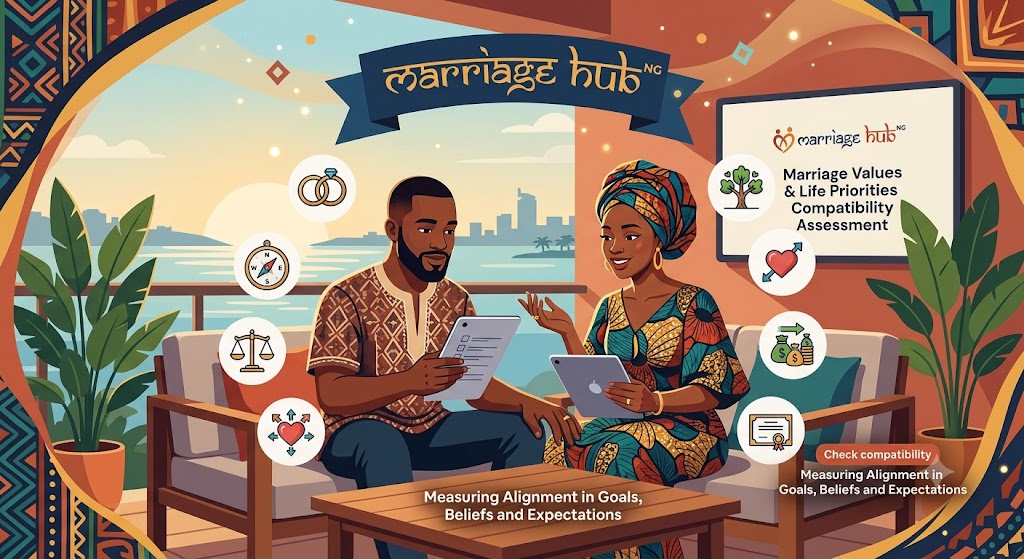
Take the Marriage Readiness Test to assess how prepared you are for marriage by visiting https://www.marriagehub.ng/analyzer/index.php.
Have sensitive relationship questions? Ask them anonymously and receive community support at https://www.marriagehub.ng/questions-answers.
Planning your traditional wedding, engagement, or other celebration? Create a beautiful digital invitation at https://www.marriagehub.ng/annouce-my-event/.
Searching for a serious relationship? Find a compatible life partner through https://www.marriagehub.ng/match-making/frontend/discover.php.
Looking for trusted wedding professionals? Browse experienced vendors at https://www.marriagehub.ng/vendors.
MarriageHub.ng also offers thriving communities where you can connect with singles, couples, families, and people who share your interests. Join existing Groups and Tribes by visiting https://www.marriagehub.ng/all-groups or create your own community at https://www.marriagehub.ng/create-tribes-group.
You can also purchase quality products, professional services, digital downloads, relationship resources, and wedding-related items through the MarriageHub Marketplace at https://www.marriagehub.ng/marketplace.
Follow MarriageHub Nigeria
Stay connected for relationship advice, marriage tips, wedding inspiration, and community discussions.
WhatsApp: https://whatsapp.com/channel/0029VbCav9MCcW4pw3GSM72w
X: https://x.com/MarriageHubNG
Facebook: https://web.facebook.com/MarriageHubNigeria
Instagram: https://www.instagram.com/marriagehubng3





.jpg)
Sign in to comment