 Nurturing Marriages, Enriching Families!
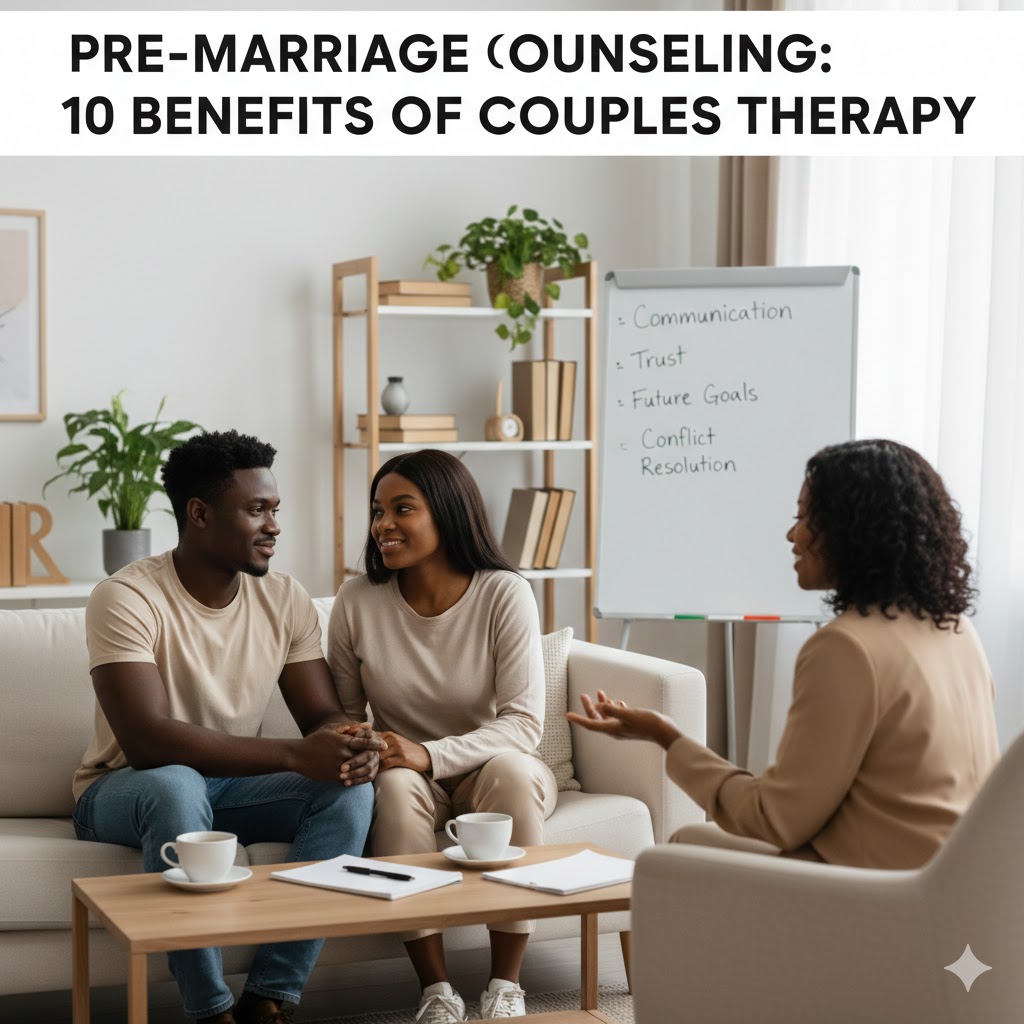
Pre-Marriage Counseling: 10 Benefits of Couples Therapy
Marriage is one of life’s most rewarding journeys, offering love, companionship, and personal growth. Yet, every successful marriage requires preparation, understanding, and commitment. One of the most effective ways to prepare for a strong, lasting marriage is through pre-marriage counseling, also known as premarital therapy. This form of couples therapy helps partners navigate potential challenges, strengthen communication, and establish a solid foundation for their future together.
Pre-marriage counseling is not just for couples experiencing difficulties—it is a proactive tool for building a healthier and more resilient relationship. By addressing key areas before tying the knot, couples can enter marriage with confidence, clarity, and emotional readiness.
In this article, we explore ten key benefits of pre-marriage counseling and why it is an essential investment for every couple planning to get married.
Understanding Pre-Marriage Counseling
Pre-marriage counseling is a structured process guided by a trained therapist, counselor, or religious advisor. Sessions may include discussions on communication, conflict resolution, financial management, family dynamics, intimacy, and long-term goals. Couples may also complete assessments and exercises to better understand each other’s personality, values, and expectations.
Unlike general advice from friends or family, counseling provides a safe, neutral space for couples to explore difficult topics and gain actionable insights. It is designed to prepare couples for the realities of married life, reducing misunderstandings and potential conflicts.
1. Strengthens Communication Skills
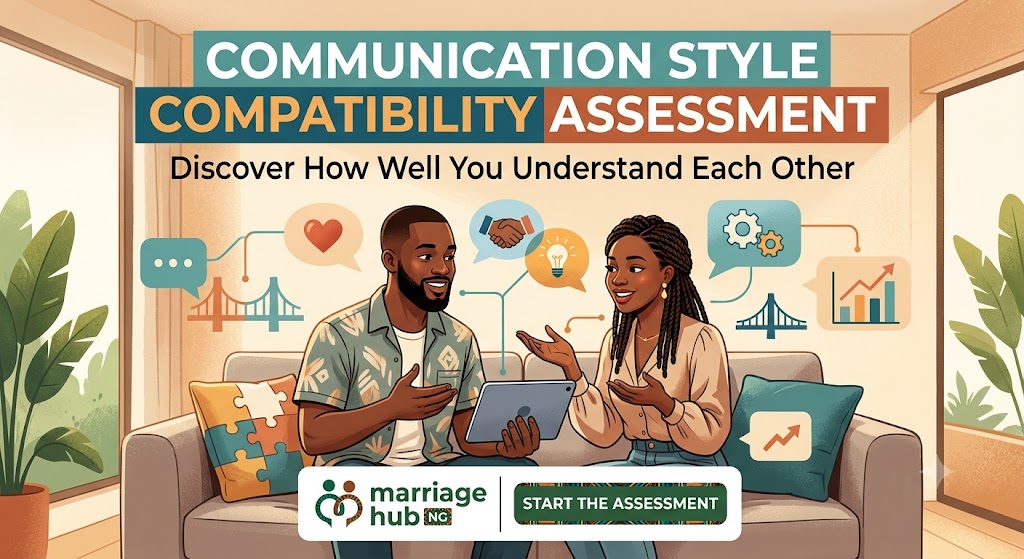
Effective communication is the backbone of any successful relationship. Miscommunication can escalate minor disagreements into serious conflicts. Pre-marriage counseling equips couples with tools to express their needs, concerns, and emotions clearly.
Through exercises and guided discussions, partners learn active listening, empathy, and constructive feedback. By mastering these skills before marriage, couples are better prepared to handle disagreements and maintain harmony in their relationship.
2. Clarifies Expectations
Unspoken expectations often cause tension in marriage. Counseling encourages couples to discuss crucial topics such as career goals, parenting styles, household responsibilities, and lifestyle choices.
By sharing expectations upfront, partners gain clarity on each other’s priorities and values. This reduces misunderstandings and fosters mutual respect, allowing both individuals to feel understood and supported in the marriage.
3. Enhances Conflict Resolution
Conflict is inevitable in any long-term partnership. Premarital therapy teaches couples strategies to resolve disagreements constructively. Rather than avoiding issues or reacting impulsively, couples learn to approach conflicts calmly and seek solutions that work for both partners.
Counseling sessions may include role-playing and scenario analysis to prepare couples for potential challenges. These skills help maintain a peaceful and balanced relationship, even during stressful situations.
4. Builds Emotional Intimacy
Marriage is more than shared responsibilities; it is a deep emotional connection. Counseling fosters vulnerability and openness, allowing partners to understand each other’s feelings, fears, and needs.
By exploring emotional histories, attachment styles, and personal values, couples can strengthen trust and empathy. Emotional intimacy is a strong predictor of marital satisfaction and long-term happiness.
5. Prepares Couples for Financial Management
Money is one of the leading causes of conflict in marriage. Differences in spending habits, saving goals, and financial priorities can create tension between partners.
Pre-marriage counseling provides a platform to discuss finances openly. Couples can create shared budgets, set financial goals, and develop strategies for handling debt or unexpected expenses. This preparation reduces future conflicts and promotes financial harmony.
6. Addresses Family and Cultural Dynamics
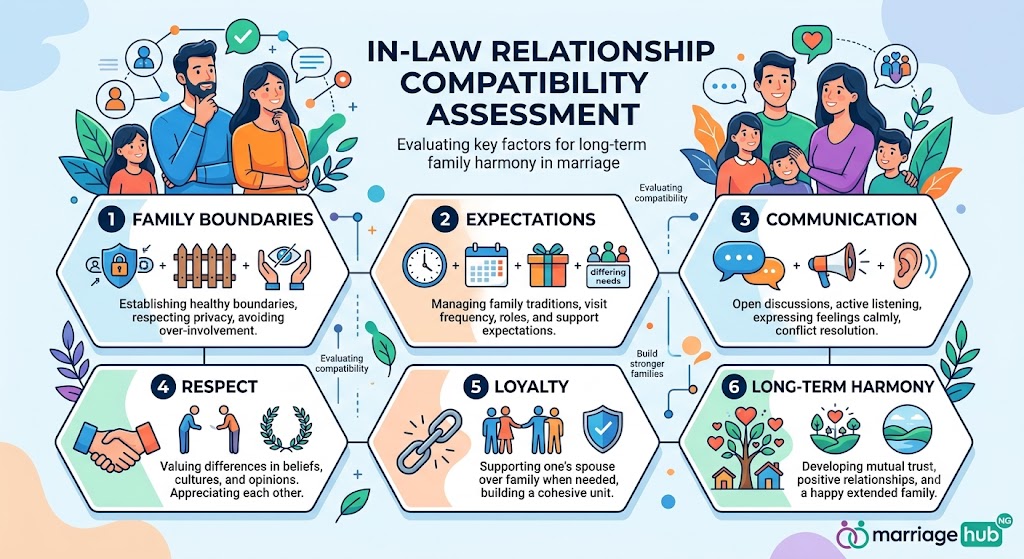
Many couples face challenges related to family expectations, traditions, and cultural differences. Pre-marriage counseling helps couples navigate these dynamics effectively.
Counselors guide discussions on boundaries, in-law involvement, and cultural or religious practices. By addressing these factors early, couples can prevent misunderstandings and foster a respectful and supportive environment for their marriage.
7. Promotes Long-Term Compatibility
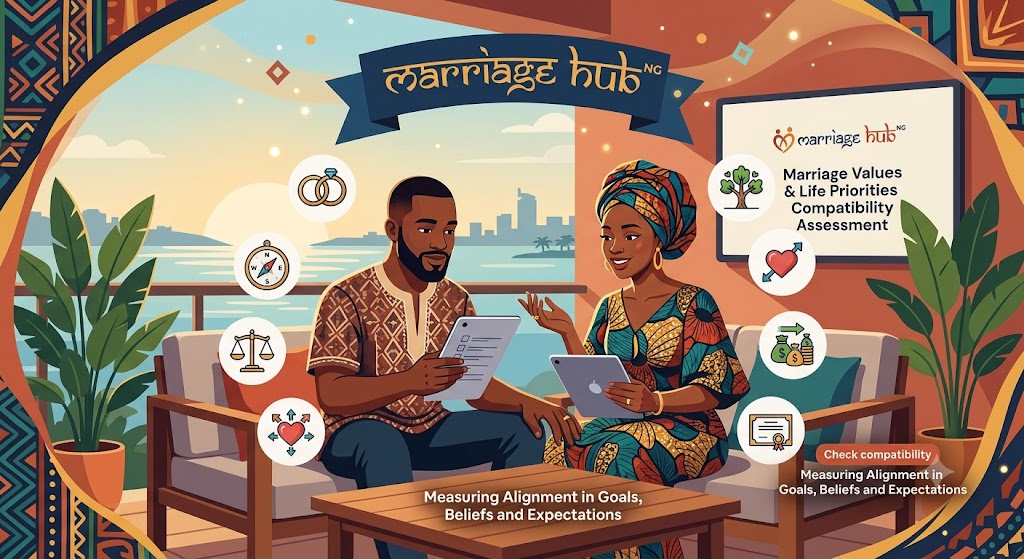
Love is essential, but compatibility is equally important for a lasting marriage. Counseling encourages couples to examine shared values, long-term goals, and personality traits that affect marital satisfaction.
Understanding compatibility helps partners make informed decisions and ensures alignment on critical aspects of life, such as career ambitions, family planning, and lifestyle choices. Premarital therapy reduces surprises and strengthens the foundation of the marriage.
8. Reduces Risk of Divorce
Research shows that couples who engage in pre-marriage counseling are more likely to have successful and stable marriages. According to the American Association for Marriage and Family Therapy, premarital therapy significantly improves marital satisfaction and reduces the risk of divorce.
By providing tools to navigate conflict, communicate effectively, and manage expectations, counseling increases resilience and prepares couples to face life’s challenges together.
9. Encourages Personal Growth
Marriage is not just about the partnership—it is also about individual growth. Counseling encourages self-awareness, reflection, and personal responsibility.
Partners learn to recognize their own emotional patterns, strengths, and areas for improvement. This self-awareness promotes emotional intelligence, enabling individuals to contribute positively to the marriage. Personal growth before marriage helps create a more balanced and supportive partnership.
10. Creates a Roadmap for Marriage
Pre-marriage counseling is not only about addressing potential challenges—it also helps couples envision a shared future. Partners discuss life goals, values, and commitments, creating a roadmap for their marriage.
This roadmap provides guidance for navigating transitions, such as starting a family, relocating, or managing career changes. By clarifying intentions and expectations, couples can enter marriage with confidence, unity, and purpose.
How to Make the Most of Pre-Marriage Counseling
To maximize the benefits of counseling, couples should:
-
Choose a Qualified Counselor: Seek a certified therapist or premarital counselor experienced in guiding couples.
-
Be Honest and Open: Authenticity is key; share your fears, hopes, and concerns.
-
Commit to the Process: Attend all sessions and actively participate in exercises.
-
Discuss Difficult Topics: Address finances, intimacy, family, and expectations without hesitation.
-
Apply Lessons Learned: Implement strategies, communication tools, and insights from counseling in daily life.
Conclusion
Pre-marriage counseling is a proactive investment in your relationship. By strengthening communication, clarifying expectations, enhancing emotional intimacy, and providing conflict resolution tools, counseling prepares couples for a successful marriage. It also addresses financial, familial, and cultural challenges while promoting personal growth and compatibility.
Entering marriage without preparation is like starting a journey without a map. Pre-marriage counseling equips couples with the knowledge, skills, and insight necessary for a fulfilling, resilient, and harmonious partnership. Couples who engage in premarital therapy are more likely to enjoy long-term satisfaction, reduce the risk of divorce, and build a marriage that thrives on love, respect, and understanding.
Whether you’re planning a wedding soon or preparing for a future together, pre-marriage counseling is an essential step toward a strong foundation and a happy, enduring marriage.






.jpg)
Sign in to comment