 Nurturing Marriages, Enriching Families!

Self‑Care for Married Couples: Strengthening Your Marriage from Within
Marriage is a journey that blends love, partnership, and shared responsibility. In Nigeria, where cultural expectations, extended family obligations, and demanding careers often create stress, married couples sometimes neglect the most critical element for sustaining a healthy relationship: self-care.
Self-care is not selfish. It is the intentional practice of maintaining your physical, emotional, and mental well-being so you can show up fully in your marriage. Couples who prioritize self-care not only experience personal growth but also strengthen their emotional bond, communication, and intimacy. Neglecting self-care, on the other hand, can lead to burnout, resentment, and emotional distance.
This article explores the importance of self-care for married couples in Nigeria, practical strategies for incorporating it into daily life, and culturally relevant tips for building resilient, fulfilling marriages.
Why Self-Care Matters in Marriage
Many Nigerian couples juggle work, extended family demands, financial pressures, and community obligations. Amidst these responsibilities, personal well-being often takes a backseat. Yet, self-care is essential because it directly impacts marital health.
-
Emotional Availability: Couples who care for themselves are better equipped to listen, empathize, and respond thoughtfully to their partner.
-
Stress Management: Regular self-care reduces irritability, burnout, and tension caused by external pressures.
-
Physical Health: Exercise, nutrition, and sleep contribute to energy, vitality, and the ability to engage actively in the marriage.
-
Modeling Healthy Behavior: Demonstrating self-care encourages children and extended family to prioritize their well-being.
In short, when both partners prioritize self-care, the marriage becomes a source of support, inspiration, and resilience rather than additional stress.
Types of Self-Care for Married Couples
Self-care is multidimensional. Couples can cultivate self-care individually, together, or in ways that strengthen their marriage:
1. Physical Self-Care
Maintaining physical health allows couples to engage fully in daily life and intimacy. Nigerian couples can incorporate:
-
Regular exercise routines such as morning walks, gym sessions, or weekend sports.
-
Healthy meals that balance traditional Nigerian cuisine with nutritional needs.
-
Adequate sleep to ensure emotional regulation and energy.
2. Emotional Self-Care
Emotional self-care helps spouses process feelings, manage stress, and maintain healthy communication. Strategies include:
-
Journaling thoughts and emotions.
-
Practicing mindfulness, meditation, or prayer.
-
Sharing feelings with a trusted friend, mentor, or counselor.
3. Mental Self-Care
Mental self-care promotes focus, clarity, and personal growth. Nigerian couples can:
-
Engage in continuous learning through books, online courses, or workshops.
-
Set personal and marital goals and track progress.
-
Limit exposure to negativity on social media or news that fuels stress.
4. Relational Self-Care
Even though self-care is personal, it influences marital dynamics. Couples can:
-
Schedule regular date nights or quality time without distractions.
-
Celebrate personal achievements and milestones together.
-
Establish boundaries with extended family to protect emotional space.
5. Spiritual Self-Care
For many Nigerian couples, spirituality forms the core of their values. Spiritual self-care involves:
-
Attending religious services together or individually.
-
Engaging in prayer, reflection, or meditation.
-
Supporting each other’s spiritual growth without judgment.
Incorporating Self-Care into Nigerian Marriages
Practical implementation is key. Here are culturally relevant ways Nigerian couples can prioritize self-care:
Prioritize Time Together and Apart
Balance is crucial. Couples need shared experiences to strengthen connection, as well as individual time to recharge. For example, spouses in Lagos might schedule weekly “tech-free evenings” to focus on conversation and intimacy, while also allowing personal hobbies or professional development time.
Support Each Other’s Personal Interests
Encourage pursuits that bring joy, growth, or relaxation. A husband who enjoys football, or a wife passionate about painting, should have space to engage in these activities. Mutual support signals respect for individuality.
Create Healthy Boundaries
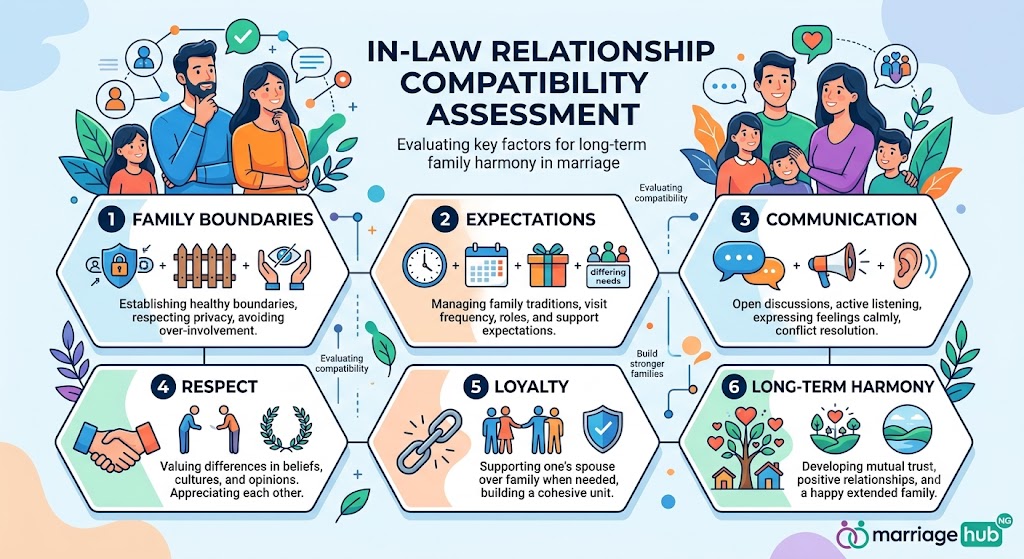
Extended family expectations can intrude on couple time. Nigerian couples can set respectful boundaries to protect marriage time, whether it’s declining frequent social visits or limiting unsolicited advice.
Practice Gratitude and Recognition
Regularly acknowledging each other’s efforts fosters appreciation and positivity. A simple “thank you” for managing household chores or handling a stressful work week goes a long way in maintaining emotional intimacy.
Address Stress Proactively
Nigerian couples face societal pressures that can exacerbate stress. Identifying stress triggers and jointly developing coping strategies prevents tension from spilling into marital interactions.
Reflection Prompts for Couples
-
Which areas of self-care have you neglected individually or as a couple?
-
How does neglecting self-care affect your relationship dynamic?
-
What small self-care practices can you implement this week to improve your well-being and marriage?
-
How can you support your spouse’s self-care without creating guilt or resentment?
Answering these questions encourages accountability, planning, and intentional growth.
Real-Life Nigerian Scenarios
Case 1: Chuka and Ada in Abuja struggled with exhaustion and irritability due to demanding careers. By scheduling weekly date nights, personal hobby time, and daily reflection exercises, they reduced conflict and improved emotional connection.
Case 2: Funke and Tayo in Lagos incorporated spiritual self-care by attending Sunday services together and engaging in joint prayer sessions. This strengthened their communication, patience, and shared purpose, helping them navigate financial and family stress with resilience.
These examples demonstrate that self-care is not merely about individual wellness—it actively enhances marital satisfaction.
Overcoming Challenges
Implementing self-care is not always easy. Nigerian couples may face resistance due to:
-
Cultural expectations that prioritize family over personal time.
-
Financial constraints limiting access to activities or wellness resources.
-
Guilt associated with taking personal time or saying “no” to external demands.
Solutions include starting small, being intentional, and viewing self-care as essential to the marriage’s health rather than a luxury. Couples can negotiate shared routines, delegate responsibilities, and communicate openly about needs and boundaries.
Long-Term Benefits of Self-Care in Marriage
Consistent self-care creates enduring benefits for Nigerian couples:
-
Reduced stress and conflict.
-
Increased intimacy and emotional connection.
-
Stronger individual growth and fulfillment.
-
Enhanced resilience during challenges such as financial pressure, career transitions, or family conflicts.
-
Positive modeling for children and extended family, encouraging a culture of wellness.
Conclusion: Marriage Thrives When You Care for Yourself
Marriage is a partnership, but it is also an opportunity for personal growth. Self-care is the foundation upon which emotional intimacy, communication, and resilience are built. Nigerian couples who prioritize self-care—physically, emotionally, mentally, spiritually, and relationally—experience stronger bonds, increased fulfillment, and the ability to navigate challenges with grace.
Self-care is not selfish. It is an act of love, not only for oneself but for your spouse and family. By committing to self-care practices, couples transform marriage from a source of stress into a nurturing, empowering, and enduring partnership.







.jpg)


Sign in to comment