 Nurturing Marriages, Enriching Families!
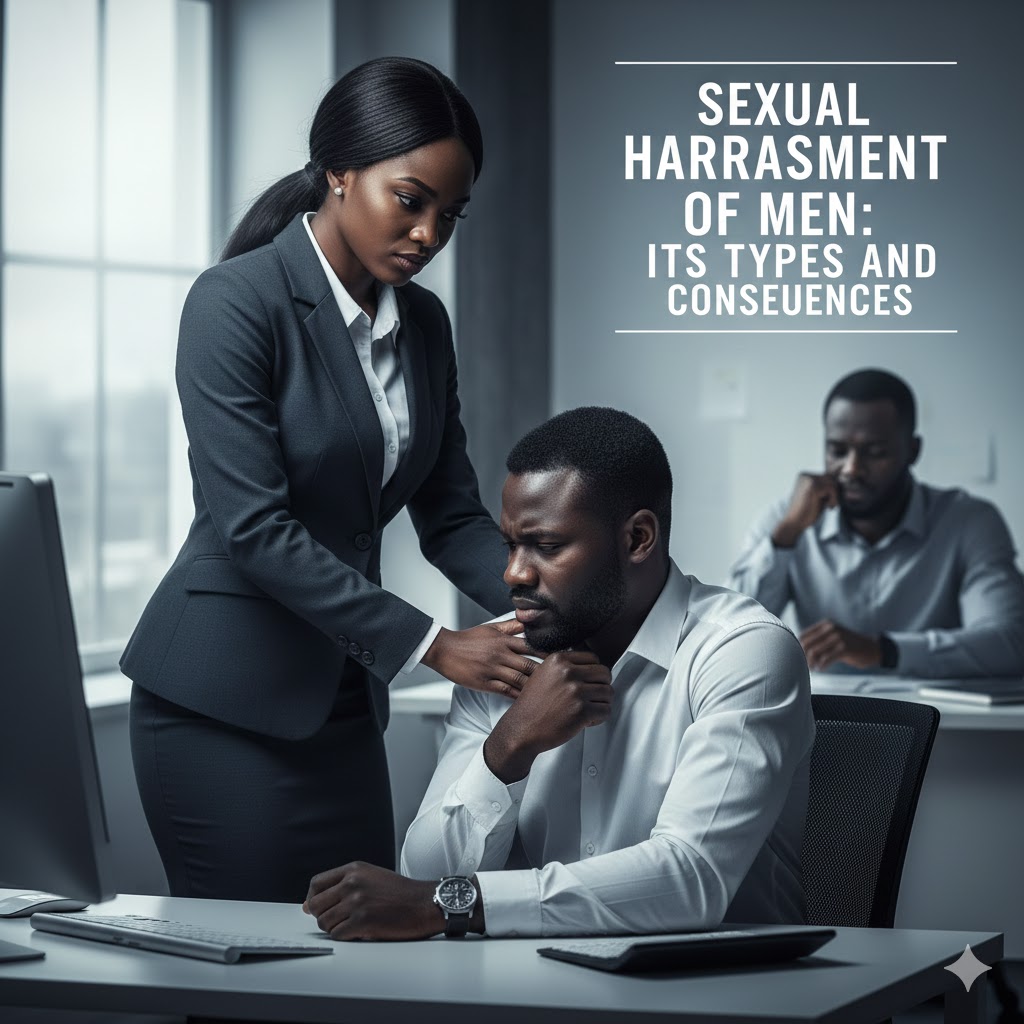
Sexual Harassment of Men: Its Types and Consequences
When we hear the term "sexual harassment," the image that most often comes to mind is that of a woman being harassed by a man. This is a valid and pervasive issue that has rightfully gained significant attention. However, it represents only one part of a much larger, more complex picture. The sexual harassment of men is a reality that is frequently ignored, minimized, or even mocked.
Men can be, and are, victims of sexual harassment. This harassment can be perpetrated by women against men, by men against other men, and within any gender dynamic. The silence surrounding this issue is deafening, largely due to deeply ingrained societal stigmas about masculinity that prevent men from coming forward. This article aims to shed light on this critical topic by exploring the types of sexual harassment men face and the profound consequences it has on their lives.
The Stigma and Underreporting
Before delving into the types and consequences, it is essential to understand the unique barriers that prevent male victims from speaking out. Society often defines masculinity through traits like strength, stoicism, and emotional control. Admitting to being a victim of sexual harassment can feel like a direct contradiction of these ideals.
Many men fear that they will not be believed, or worse, that they will be laughed at or told they should have enjoyed the attention . There is a persistent myth that men cannot be harassed or that it is not as serious an issue for them. This cultural conditioning leads to massive underreporting, leaving countless men to suffer in silence, believing they have no recourse or that their experience is invalid.
Defining Sexual Harassment
Sexual harassment is legally defined as unwelcome conduct of a sexual nature. This can include unwelcome sexual advances, requests for sexual favors, and other verbal or physical harassment of a sexual nature. It's important to remember that the core of harassment is that the behavior is unwanted, offensive, and affects a person's employment, ability to work, or creates a hostile environment . It has nothing to do with the victim's attractiveness or the harasser's intent, and everything to do with power and impact.
The Types of Sexual Harassment Men Face
Sexual harassment is not a monolithic experience. It manifests in various ways, from overt physical acts to subtle, insidious behaviors that create a toxic environment. For men, these types can be particularly confusing to navigate due to the lack of awareness surrounding male victimization.
1. Verbal Harassment
This is often the most common form of harassment and can be a gateway to more severe behaviors. It includes:
-
Sexual Jokes and Comments: Telling sexually charged jokes, making lewd comments about a man's body, or commenting on his sexual prowess (or perceived lack thereof) in a professional or social setting .
-
Unwanted Innuendos and propositions: Repeatedly asking a man out after he has said no, or making suggestive comments about what they would like to do with him sexually .
-
Spreading Sexual Rumors: Gossiping about a man's sex life, spreading rumors about his sexuality (often using homophobic slurs), or claiming he is promiscuous .
-
Derogatory Language: Calling a man names that attack his masculinity, such as "p***y," "fag," or questioning his manhood as a way to demean or control him.
2. Non-Verbal/Visual Harassment
This type of harassment creates a hostile environment without saying a word.
-
Displaying Sexually Explicit Material: Showing or displaying pornographic images, videos, or objects in the workplace or other shared spaces .
-
Lewd Gestures: Making obscene gestures, such as simulating sexual acts, that are intended to be seen by the victim .
-
Staring or Leering: Staring at a man's body in a way that makes him feel objectified, uncomfortable, and unsafe. This can include prolonged, unwanted looks at his crotch, buttocks, or chest .
3. Physical Harassment
This is the most overt and legally clear-cut form of harassment, though it is often downplayed when the victim is male.
-
Unwanted Touching: This can range from seemingly minor acts like putting an arm around the shoulder, touching a man's hair, or rubbing his back, to more invasive acts like groping, grabbing, or pinching his genitals or buttocks .
-
Blocking Movement: Intentionally blocking a man's path to prevent him from leaving a situation or to intimidate him .
-
Physical Assault: Any form of unwanted sexual advances that escalate to physical assault or attempted rape . It is a myth that men cannot be physically forced or coerced into sexual acts.
4. Quid Pro Quo Harassment
Latin for "this for that," this type of harassment occurs when a person in a position of power demands sexual favors in exchange for a benefit (like a promotion, a good grade, or continued employment) or to avoid a punishment (like being fired or receiving a poor performance review) . For men, this can be particularly emasculating, as it directly targets their professional livelihood and sense of security.
The Profound Consequences of Harassment
The impact of sexual harassment on men is deep, multifaceted, and long-lasting. Because they are often discouraged from seeking help, the consequences can be even more devastating.
Psychological and Emotional Consequences
-
Anxiety and Depression: The constant stress of navigating a hostile environment can lead to chronic anxiety, panic attacks, and clinical depression .
-
Post-Traumatic Stress Disorder (PTSD): Men who have experienced severe harassment, particularly physical assault, can develop PTSD, characterized by flashbacks, hypervigilance, nightmares, and severe emotional distress .
-
Shame, Guilt, and Self-Blame: Victims often internalize the abuse, wondering if they did something to cause it or if they weren't "man enough" to stop it. This profound sense of shame can be crippling .
-
Loss of Confidence and Self-Esteem: Being objectified and demeaned erodes a person's sense of self-worth and professional confidence. A man may begin to doubt his abilities and his value .
-
Confusion About Sexuality: For heterosexual men harassed by other men, the experience can cause profound confusion and distress about their own sexuality . For men of any orientation, the harassment can create a toxic association with sex and intimacy.
Physical Consequences
The mind-body connection is powerful. The chronic stress of harassment can manifest physically, leading to:
-
Sleep disturbances and insomnia.
-
Changes in appetite and weight.
-
Headaches and gastrointestinal issues.
-
Increased blood pressure and a weakened immune system .
-
Increased risk of substance abuse as a coping mechanism .
Professional and Social Consequences
-
Damaged Career Trajectory: Victims may quit their jobs to escape the harassment, leading to financial instability and a derailed career. They may also receive poor performance reviews if the harasser is their supervisor, or they may be passed over for promotions .
-
Social Isolation: The shame and stigma can cause men to withdraw from friends, family, and colleagues. They may feel that no one will understand, so they stop trying to connect .
-
Strained Relationships: The emotional fallout—irritability, withdrawal, sexual dysfunction—can put immense strain on romantic relationships, friendships, and family ties .
Why Men Don't Speak Up
Understanding the barriers to reporting is crucial for creating a more supportive environment. Beyond the fear of not being believed, men face unique pressures:
-
Fear of Being Perceived as Weak: Admitting to being a victim conflicts with the societal expectation that men should be able to protect themselves .
-
Fear of Being Labeled as a "Loser": In a culture that sometimes tells men they should be grateful for any sexual attention, coming forward can feel like admitting failure .
-
Homophobia: Men harassed by other men may fear that coming forward will lead others to question their sexuality or label them as gay .
-
Trivialization of Their Experience: They may have internalized the message that sexual harassment is a "women's issue" and that their own experience is not valid or serious enough to warrant reporting.
Moving Forward: What Needs to Change
Addressing the sexual harassment of men requires a fundamental shift in societal attitudes and workplace policies.
-
Acknowledge the Problem: The first step is to openly acknowledge that men can be and are victims. This validation is crucial for encouraging men to come forward.
-
Expand Definitions and Training: Workplace harassment training must be inclusive. It should explicitly state that men can be victims, discuss male-on-male and female-on-male harassment, and challenge the stereotypes that prevent men from reporting .
-
Create Gender-Neutral Support Systems: HR departments and support resources must be equipped to handle complaints from men with the same seriousness and sensitivity as complaints from women.
-
Challenge Toxic Masculinity: As a society, we must broaden our definition of masculinity to include vulnerability and to normalize men seeking help for trauma.
Sexual harassment is an abuse of power, and power dynamics do not discriminate by gender. By bringing this hidden issue into the light, we can create a safer, more just world for everyone.










.jpg)



Sign in to comment