 Nurturing Marriages, Enriching Families!
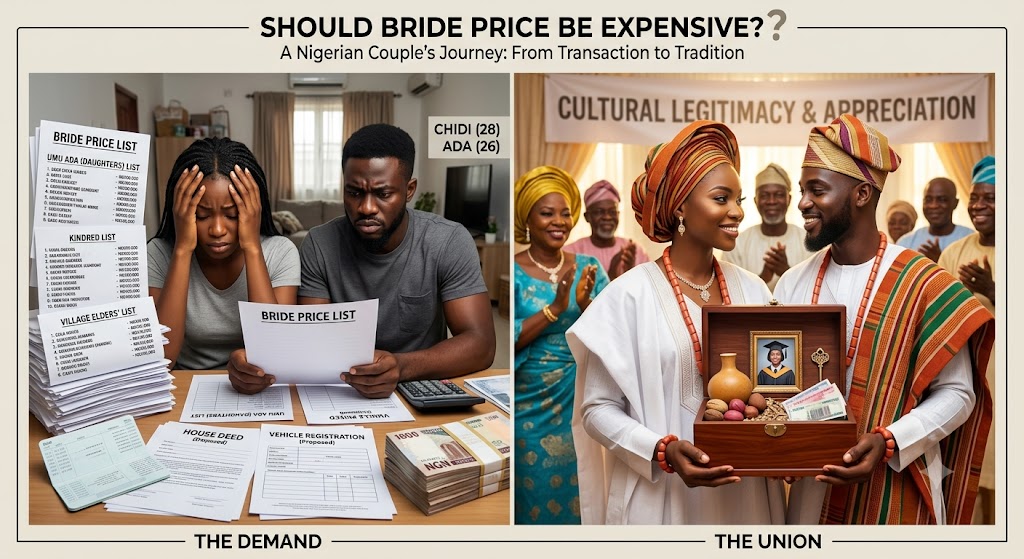
Should Bride Price Be Expensive? A Nigerian Perspective on Tradition, Culture, and Modern Marriage
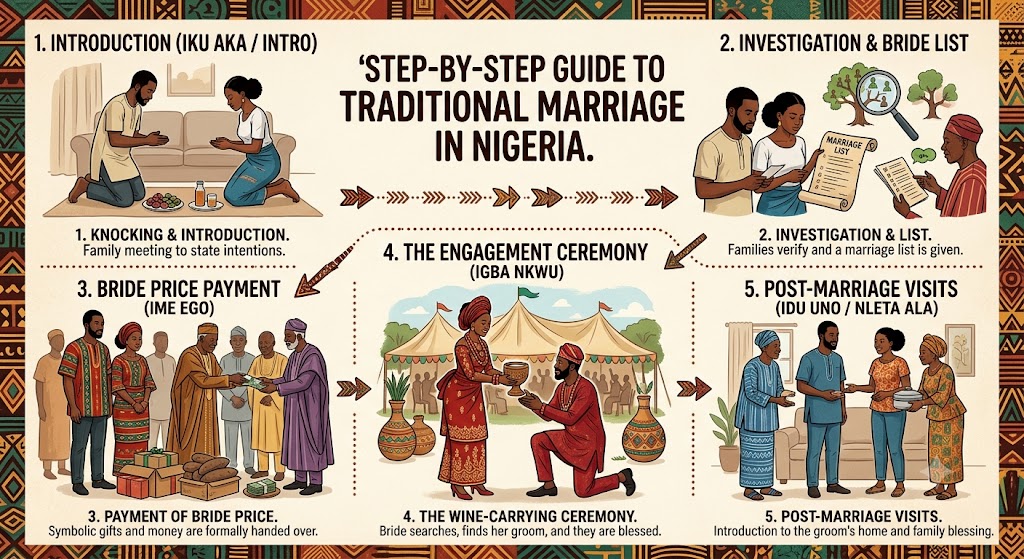
Bride price has remained one of the most important traditions in Nigerian marriages for centuries. Whether it is called bride price, bride wealth, dowry (though technically different), or traditional marriage rites, the practice symbolizes respect for the bride's family, appreciation for the upbringing of the bride, and the formal union of two families. Across Nigeria's more than 250 ethnic groups, the customs surrounding bride price vary significantly, yet the underlying purpose remains largely the same—to honour tradition and legitimize marriage according to customary law.
In recent years, however, one question has generated increasing debate among Nigerians: Should bride price be expensive? While some believe a high bride price reflects the value of a woman and preserves cultural heritage, others argue that excessive demands place unnecessary financial pressure on young couples and discourage marriage altogether.
As Nigeria continues to experience economic challenges, rising inflation, youth unemployment, and increasing costs of living, conversations about affordable marriages have become more relevant than ever. Social media, marriage counsellors, religious leaders, and community elders frequently discuss whether bride price has shifted from being a cultural symbol of appreciation to becoming a financial transaction.
This article explores the history of bride price, its importance in Nigerian society, the arguments for and against expensive bride prices, the economic realities facing young Nigerians, and practical ways families can preserve culture without placing excessive burdens on intending couples.
Understanding Bride Price in Nigeria
Bride price is a customary payment made by the groom and his family to the bride's family before marriage. Contrary to popular misconceptions, bride price is not the purchase of a woman. Instead, it is traditionally viewed as a symbolic gesture of appreciation to the bride's parents for raising their daughter and preparing her for marriage.
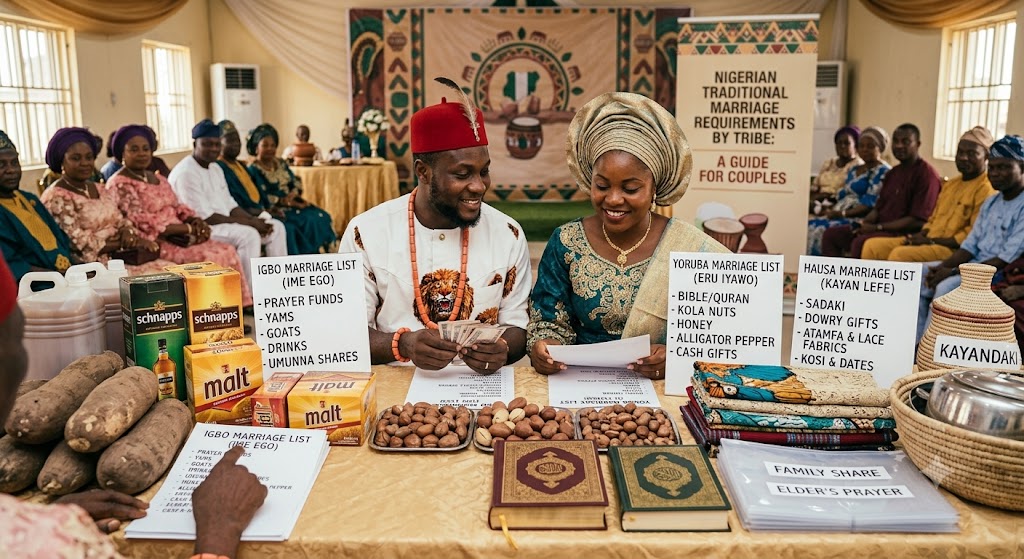
Across Nigeria, every ethnic group has its own customs. Among the Igbo, Yoruba, Hausa, Efik, Ibibio, Tiv, Idoma, Urhobo, Itsekiri, Edo, Nupe, and many other ethnic nationalities, the amount, items required, and ceremonies differ considerably. Some communities request only a token cash payment alongside drinks and food items, while others provide detailed lists that include livestock, clothing, beverages, kola nuts, wrappers, jewellery, foodstuffs, and gifts for extended family members.
Historically, the financial value of the bride price itself was often modest. The real significance lay in the ceremony, the prayers offered by elders, and the joining together of two families. Unfortunately, in some communities today, the tradition has become increasingly commercialised.
Why Bride Price Exists
Bride price serves several important cultural purposes beyond the exchange of money or gifts. It formally introduces the groom's family to the bride's relatives, demonstrates the groom's commitment and seriousness, and publicly recognizes the marriage under customary law. It also strengthens family ties and allows both families to participate actively in the marriage process.
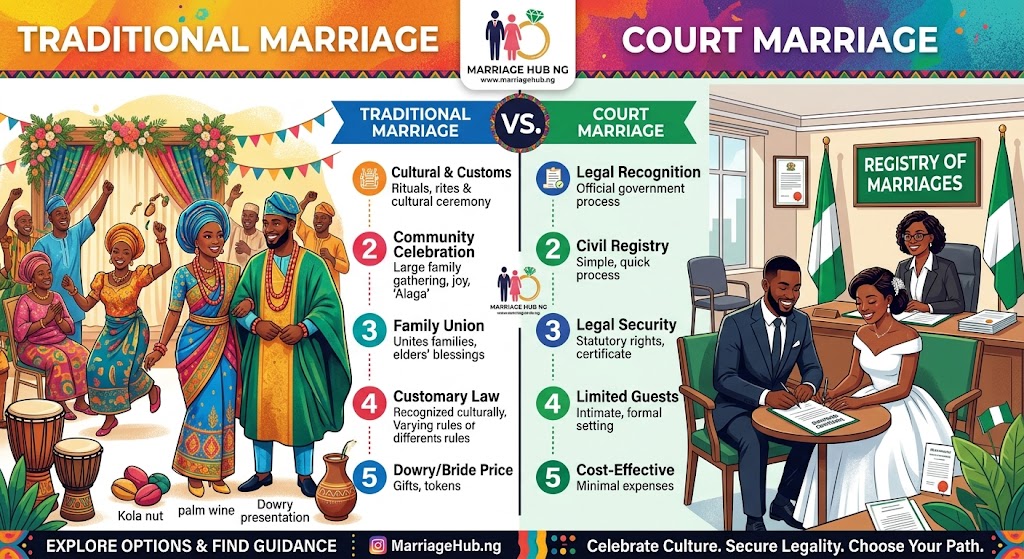
For many Nigerians, bride price is deeply connected to identity, heritage, and respect for tradition. Refusing to pay the customary bride price in many communities may mean that the marriage is not fully recognized under customary law, regardless of whether a church or court wedding takes place.
Why Some Families Demand High Bride Prices
Supporters of expensive bride prices often argue that raising a child requires enormous sacrifices. Parents invest years of love, education, healthcare, discipline, and emotional support in raising their daughters. They believe the bride price symbolizes appreciation for these lifelong investments rather than serving as a commercial payment.
Some communities also believe that a higher bride price reflects the dignity and value of the bride. Families may argue that an educated, accomplished, hardworking, or professionally successful woman deserves greater recognition during marriage negotiations.
In some cases, expensive bride prices are justified as a means of discouraging unserious suitors. Families believe that if a man is unwilling or unable to fulfil customary obligations, he may not be financially or emotionally prepared for marriage.
Others simply view elaborate marriage ceremonies as opportunities to celebrate family prestige, social status, and cultural pride. Large traditional weddings have become occasions where families display wealth and hospitality before relatives and community members.
The Growing Criticism of Expensive Bride Prices
Despite these arguments, increasing numbers of Nigerians believe bride prices have become unnecessarily expensive and disconnected from their original purpose.
Many young professionals spend years saving for wedding expenses while simultaneously trying to secure accommodation, furnish their homes, and prepare for future family responsibilities. When traditional marriage requirements become excessively costly, some couples postpone marriage indefinitely.
Relationship counsellors frequently observe that financial stress begins long before the wedding day. Instead of focusing on building healthy relationships, intending couples become overwhelmed by fundraising, loans, and pressure to satisfy lengthy marriage lists.
Economic realities have made this issue even more significant. Nigeria continues to experience rising inflation, increasing food prices, higher transportation costs, and youth unemployment. For many young men, raising several million naira to satisfy traditional marriage demands has become nearly impossible.
The Hidden Cost Beyond the Bride Price
One important misconception is that the bride price itself constitutes the largest expense. In reality, many traditional marriage ceremonies involve numerous additional costs beyond the symbolic payment.
These may include gifts for parents, gifts for extended family members, clothing for relatives, drinks, livestock, food items, transportation, venue decorations, entertainment, photography, musicians, accommodation for guests, and various cultural obligations unique to each community.
By the time these expenses are combined with engagement ceremonies, church weddings, court weddings, receptions, and honeymoon costs, many couples begin married life under significant financial strain.
Does an Expensive Bride Price Guarantee a Successful Marriage?
The simple answer is no.
There is no evidence that marriages involving high bride prices are more stable than those where families requested only symbolic payments.
Successful marriages are built on communication, trust, respect, commitment, emotional maturity, financial responsibility, forgiveness, and shared values—not on the amount paid during traditional marriage ceremonies.
Many couples who paid modest bride prices have enjoyed decades of happy marriages, while some lavish weddings involving millions of naira unfortunately ended in divorce within a few years.
The Psychological Impact on Couples
An often-overlooked consequence of excessive bride prices is the emotional burden placed on newly married couples.
Some husbands who spend enormous sums on marriage ceremonies begin married life under heavy debt. Financial pressure may delay plans to purchase a home, start a business, invest, or even have children.
In extreme cases, unhealthy attitudes may develop where a husband believes that because he paid a substantial bride price, his wife owes him unquestioning obedience. Such beliefs contradict the mutual respect and partnership that healthy marriages require.
Likewise, some wives feel guilty when they know their husbands exhausted their savings simply to meet traditional demands. Instead of beginning married life with excitement, both spouses start their journey under unnecessary stress.
How Different Nigerian Communities Are Responding
Recognizing these concerns, several communities, traditional rulers, and cultural organizations across Nigeria have taken steps to reform marriage customs.
In some states, traditional councils have introduced guidelines that cap bride prices or reduce lengthy marriage lists. Their objective is not to abolish cultural traditions but to ensure that marriage remains accessible to young people.
Many religious leaders also encourage families to prioritize the success of the marriage over elaborate ceremonies. Churches and Islamic organizations frequently advise parents not to turn marriage into a business transaction.
These reforms demonstrate that culture can evolve while still preserving its core values.
What the Bible and Other Religious Teachings Suggest
Christian and Islamic teachings generally emphasize love, responsibility, mutual respect, and family harmony rather than excessive financial demands during marriage.
Many pastors encourage parents to request symbolic bride prices that honour tradition without creating unnecessary hardship. Similarly, many Islamic scholars remind families that marriage should be made easy rather than difficult.
The emphasis across many faith communities remains on building stable families rather than maximizing financial gains from marriage ceremonies.
Balancing Tradition and Modern Reality
Culture should be preserved because it connects people to their history, identity, and ancestors. However, every culture also evolves in response to changing social and economic realities.
Today's young Nigerians face challenges that previous generations did not experience on the same scale. Housing costs, unemployment, business startup expenses, educational loans, and inflation require careful financial planning.
Preserving the symbolic meaning of bride price while eliminating excessive financial demands allows couples to begin marriage on stronger foundations.
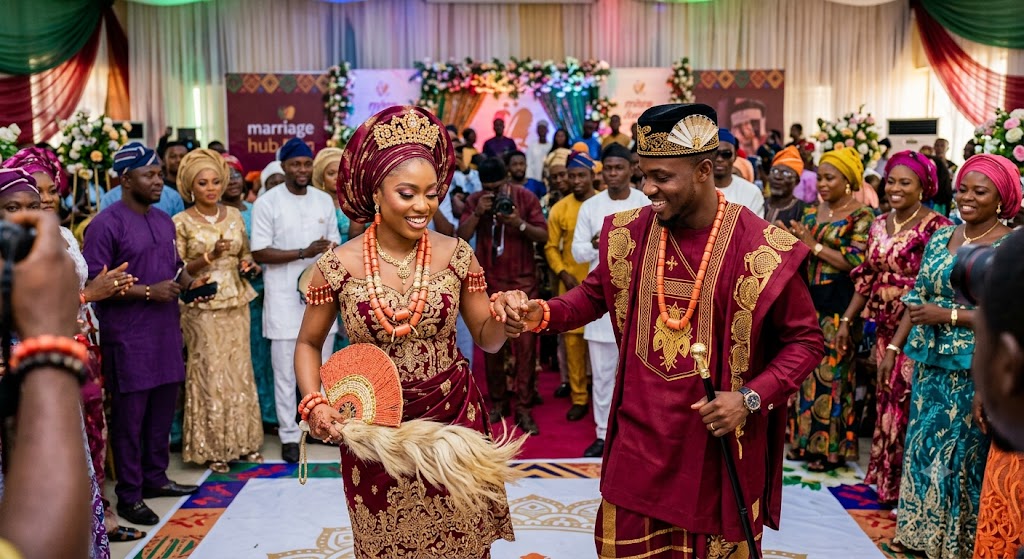
Rather than competing over extravagant ceremonies, families can celebrate marriages through meaningful traditions, prayers, blessings, cultural dances, and family unity.
Advice for Parents
Parents should remember that the ultimate goal is not simply to conduct an impressive traditional ceremony but to see their children enjoy lasting, peaceful, and successful marriages.
A reasonable bride price demonstrates honour without placing unnecessary burdens on the couple. Families should avoid using marriage as an opportunity to recover educational expenses or display social status.
When parents prioritize love over financial demands, they contribute significantly to the stability of future generations.
Advice for Intending Couples
Couples should discuss traditional marriage expectations early in their relationship. Honest conversations about finances, family customs, and cultural obligations help prevent misunderstandings later.
Respecting tradition does not mean sacrificing financial stability. Couples should prepare realistic budgets, seek guidance from elders where necessary, and avoid unnecessary competition driven by social media or public expectations.
The focus should always remain on building a healthy marriage rather than hosting the most expensive ceremony.
Conclusion
So, should bride price be expensive?
For most Nigerians, the answer increasingly appears to be no.
Bride price remains a beautiful cultural tradition that symbolizes gratitude, respect, and the union of families. However, when it becomes excessively expensive, it loses much of its original meaning and creates financial and emotional burdens for the very couples it is meant to celebrate.
A modest and symbolic bride price preserves culture while allowing newly married couples to invest in their future together. Strong marriages are not measured by the amount paid during traditional rites but by the love, commitment, trust, communication, and partnership demonstrated throughout married life.
As Nigeria continues to modernize, communities have an opportunity to preserve their rich traditions while ensuring that marriage remains accessible, meaningful, and sustainable for future generations.
Whether you are preparing for marriage, already married, or simply interested in healthy relationships, MarriageHub.ng offers practical tools, expert resources, and vibrant communities to support your journey.
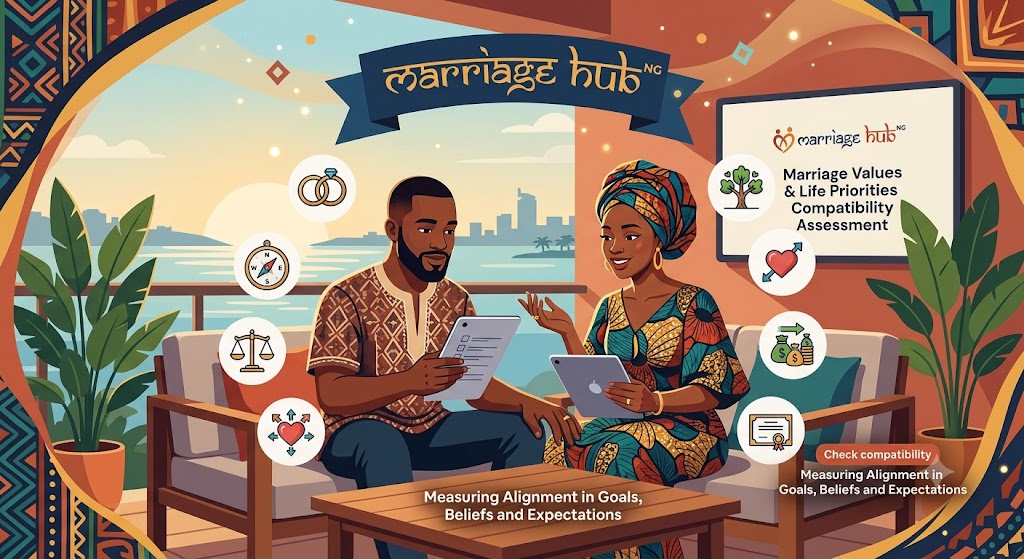
Take the Marriage Readiness Test to assess your preparedness for marriage by visiting https://www.marriagehub.ng/analyzer/index.php.
If you have confidential relationship concerns, ask anonymous questions and receive helpful insights at https://www.marriagehub.ng/questions-answers.
Planning a wedding or traditional marriage? Create a beautiful digital invitation through https://www.marriagehub.ng/annouce-my-event/.
If you're searching for a life partner, discover compatible matches at https://www.marriagehub.ng/match-making/frontend/discover.php.
Planning your wedding? Browse trusted wedding vendors across Nigeria at https://www.marriagehub.ng/vendors.
Join the growing MarriageHub.ng community by participating in existing Groups and Tribes at https://www.marriagehub.ng/all-groups or create your own community at https://www.marriagehub.ng/create-tribes-group.
You can also purchase relationship resources, wedding products, professional services, counselling materials, and downloadable resources from the MarriageHub Marketplace at https://www.marriagehub.ng/marketplace.
Stay connected with MarriageHub Nigeria for more relationship tips, marriage advice, and family resources.
WhatsApp: https://whatsapp.com/channel/0029VbCav9MCcW4pw3GSM72w
X: https://x.com/MarriageHubNG
Facebook: https://web.facebook.com/MarriageHubNigeria
Instagram: https://www.instagram.com/marriagehubng3





.jpg)
Sign in to comment