 Nurturing Marriages, Enriching Families!
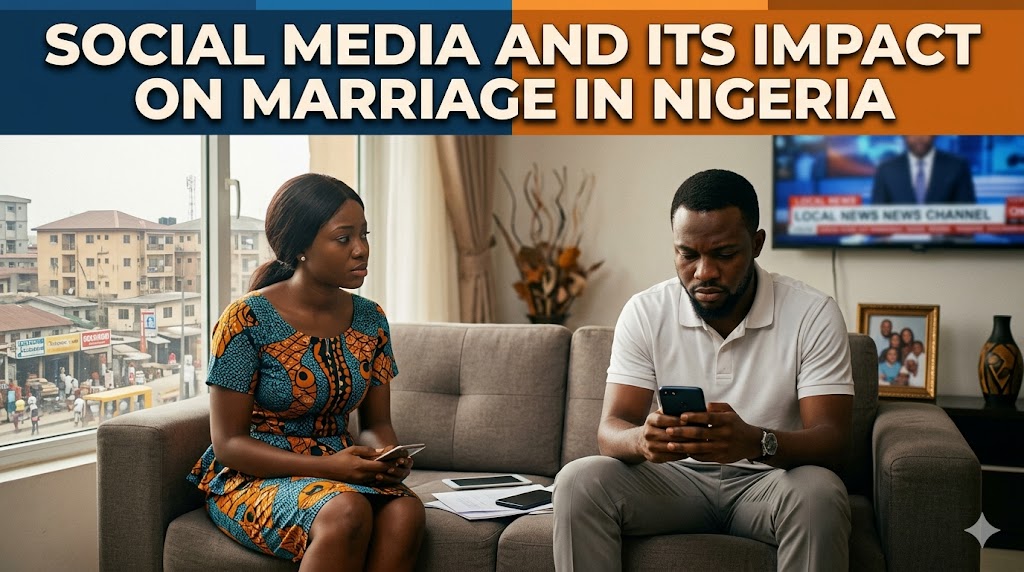
Social Media and Its Impact on Marriage in Nigeria
Social media has become an inseparable part of daily life in Nigeria, shaping how people communicate, work, and build relationships. From WhatsApp family groups to Instagram lifestyles and TikTok trends, digital platforms have transformed social interaction at an unprecedented scale. While these platforms have created new opportunities for connection and economic growth, they have also introduced new challenges for marriages.
In modern Nigerian society, social media is no longer just a communication tool—it is a powerful influence on values, expectations, and relationship dynamics. Its impact on marriage is both positive and negative, creating a complex reality that couples must navigate.
The Rise of Social Media in Nigeria
Nigeria is one of Africa’s largest digital markets, with millions of people actively using social media platforms. As of 2026, there are approximately 47.8 million social media identities in Nigeria, representing a significant portion of internet users.
Platforms such as WhatsApp, Facebook, TikTok, Instagram, and X (formerly Twitter) dominate the digital landscape. WhatsApp alone is used by over 95% of internet users in Nigeria, making it the most widely used platform for communication.
Nigerians are highly engaged online, often using multiple platforms simultaneously. On average, internet users engage with several social networks monthly, reflecting a deeply connected digital culture.
This rapid growth has had far-reaching effects on personal relationships, including marriage.
Social Media as a Tool for Connection in Marriage
One of the most positive impacts of social media on Nigerian marriages is improved communication. Couples can stay connected throughout the day through messaging apps, video calls, and shared content. For long-distance marriages—common among Nigerians due to migration and work—social media provides a lifeline that helps maintain emotional bonds.
WhatsApp, in particular, has become central to marital communication. Couples use it for daily conversations, sharing updates, and even resolving conflicts. Family groups also help strengthen extended family ties, which are essential in Nigerian marriage structures.
Beyond communication, social media offers access to relationship advice, counselling resources, and community support. Many couples follow relationship experts, religious leaders, and marriage platforms to learn about conflict resolution and emotional intelligence.
In some cases, social media has helped couples grow businesses together. The rise of online entrepreneurship has enabled spouses to collaborate on ventures, strengthening both financial stability and partnership.
The Dark Side: Social Media and Marital Conflict
Despite its benefits, social media has introduced new sources of conflict in Nigerian marriages. One of the most significant issues is digital infidelity. Platforms make it easier to connect with old friends, strangers, or romantic interests, increasing the risk of emotional or physical affairs.
Many Nigerian couples report conflicts arising from suspicious online behavior, such as secret chats, late-night messaging, or hidden social media accounts. Trust issues often emerge when one partner feels excluded or deceived.
Social media also amplifies jealousy and insecurity. The constant exposure to curated lifestyles—luxury trips, expensive gifts, and seemingly perfect relationships—creates unrealistic expectations. Partners may begin to compare their marriages with what they see online, leading to dissatisfaction.
A recurring theme in public discussions is the “pepper them” culture, where individuals showcase wealth and success online. This has intensified pressure within marriages, especially in urban areas like Lagos, where social status is highly visible.
Insights from online communities reflect this reality:
“Instagram has created a brutal comparison culture… it’s exhausting.”
This culture can strain relationships, as partners may feel inadequate or pressured to meet unrealistic standards.
Case Studies and Real-Life Experiences
In Lagos, many young couples report that social media plays a central role in their relationship dynamics. A common scenario involves disagreements over online interactions—likes, comments, and followers can become sources of conflict.
For example, a professional couple may experience tension when one partner frequently engages with posts from the opposite sex. What might seem harmless online can trigger serious arguments offline.
In Abuja, social media has been linked to lifestyle expectations in marriages. Couples often feel pressure to maintain a certain image, leading to financial strain and conflict. The desire to “keep up appearances” online can push families beyond their means.
In southeastern Nigeria, migration has created long-distance marriages where social media serves as the primary communication tool. While it helps maintain connection, it also introduces challenges such as mistrust and emotional distance when communication breaks down.
In northern Nigeria, where cultural norms are more conservative, social media is gradually changing relationship dynamics. Younger couples are increasingly influenced by global trends, leading to shifts in expectations and occasional generational conflict.
Social Media, Infidelity, and Trust Issues
Infidelity remains one of the most significant consequences of social media use in marriages. The ease of communication and anonymity provided by digital platforms has made it easier for individuals to engage in extramarital relationships.
Emotional affairs—where individuals form deep connections online without physical contact—are becoming more common. These relationships can be just as damaging as physical infidelity, eroding trust and emotional intimacy.
Research and public opinion suggest that social media has lowered the barriers to infidelity. Reconnecting with past partners, meeting new people, or engaging in private conversations has become easier than ever.
In Nigeria, where marriage is deeply tied to trust and family reputation, the consequences of infidelity can be severe. It often leads to conflict, separation, or divorce.
The Role of Social Media in Domestic Conflict
Social media has also contributed to domestic conflict in Nigerian marriages. Arguments over online behavior, privacy, and boundaries are increasingly common.
Some couples struggle with issues such as:
- Excessive time spent online instead of engaging with family
- Public sharing of private marital issues
- Disagreements over social media content and interactions
In extreme cases, social media has been linked to domestic violence, particularly when conflicts escalate beyond control. Public exposure of private issues can also lead to embarrassment and tension within extended families.
Economic and Lifestyle Impacts
Social media has reshaped economic behavior in Nigerian households. On one hand, it has created opportunities for income generation through online businesses, content creation, and digital marketing. Nigeria’s creator economy is growing rapidly, valued at billions of dollars and expected to expand significantly in the coming years.
On the other hand, social media-driven consumerism has increased financial pressure on families. The desire to maintain a certain lifestyle—often influenced by online trends—can lead to overspending and debt.
In marriages, financial stress is a major source of conflict. When one partner prioritizes social media-driven spending over household needs, it can create tension and instability.
Mental Health and Emotional Impact
Social media also affects the mental health of individuals within marriages. Constant exposure to idealized lifestyles can lead to feelings of inadequacy, anxiety, and low self-esteem.
In Nigeria, where mental health awareness is still developing, these issues often go unaddressed. Some individuals turn to online platforms for emotional support, including AI chatbots and virtual communities.
While these tools provide temporary relief, they can also create emotional distance within marriages if individuals rely more on online interactions than their partners.
Cultural Shifts and Changing Expectations
Social media is reshaping cultural norms around marriage in Nigeria. Traditional expectations of marriage as a private and family-centered institution are being challenged by the public nature of online platforms.
Weddings, anniversaries, and even everyday interactions are now shared online, turning personal moments into public content. While this can strengthen social connections, it also creates pressure to present a “perfect” image.
The influence of global culture has also changed expectations around love, romance, and gender roles. Younger Nigerians are increasingly influenced by Western ideals of marriage, which emphasize emotional fulfillment and equality.
These changes can lead to conflicts when traditional values clash with modern expectations.
Positive Transformations in Marriage
Despite the challenges, social media has also brought positive transformations to Nigerian marriages. It has increased awareness about healthy relationships, gender equality, and communication skills.
Couples now have access to a wide range of resources, including counselling services, relationship advice, and support communities. This has helped many individuals navigate marital challenges more effectively.
Social media has also strengthened connections within the Nigerian diaspora. Couples separated by distance can maintain relationships through digital communication, reducing the emotional strain of separation.
Navigating Social Media in Marriage
The impact of social media on marriage ultimately depends on how it is used. Couples who set boundaries, communicate openly, and prioritize their relationship are better equipped to manage its challenges.
Healthy practices include:
- Setting limits on screen time
- Maintaining transparency in online interactions
- Avoiding comparison with unrealistic online content
- Using social media as a tool for connection rather than distraction
In Nigeria, where marriage is deeply valued, adapting to the realities of social media is essential for long-term stability.
The Future of Social Media and Marriage in Nigeria
As internet access expands and digital platforms continue to evolve, social media will play an even greater role in shaping marriages in Nigeria. The challenge will be balancing its benefits with its risks.
Urbanization, globalization, and technological advancement will continue to influence relationship dynamics. While social media may increase exposure to new ideas and opportunities, it will also require stronger emotional intelligence and communication skills among couples.
Conclusion
Social media has fundamentally transformed marriage in Nigeria, creating both opportunities and challenges. It has improved communication, expanded access to information, and strengthened connections across distances. At the same time, it has introduced new sources of conflict, including infidelity, financial pressure, and unrealistic expectations.
The impact of social media on marriage is not inherently positive or negative—it depends on how individuals and couples choose to use it. By fostering trust, communication, and balance, Nigerian couples can harness the benefits of social media while minimizing its risks.
As society continues to evolve, the ability to navigate digital relationships will become a critical factor in building strong and lasting marriages in Nigeria.
Users can join groups/tribes on https://www.marriagehub.ng/all-groups or create groups on https://www.marriagehub.ng/create-tribes-group. Users can also purchase products, services and downloadable on https://www.marriagehub.ng/marketplace.
Follow us on
WhatsApp - https://whatsapp.com/channel/0029VbCav9MCcW4pw3GSM72w
X - https://x.com/MarriageHubNG
Facebook - https://web.facebook.com/MarriageHubNigeria
Instagram - https://www.instagram.com/marriagehubng3









.jpg)




Sign in to comment