 Nurturing Marriages, Enriching Families!
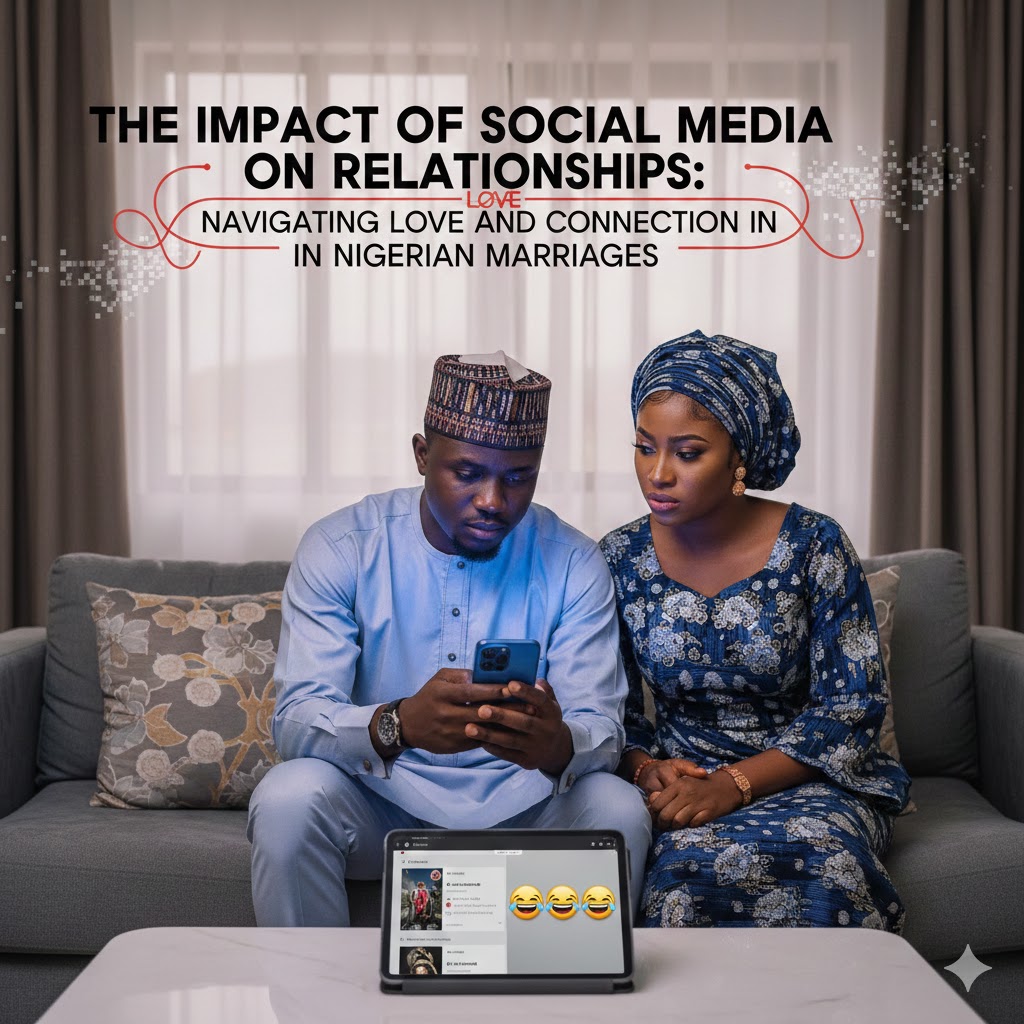
The Impact of Social Media on Relationships: Navigating Love and Connection in Nigerian Marriages
In today’s digital world, social media has become a powerful force shaping relationships. Platforms such as Instagram, Facebook, WhatsApp, TikTok, and Twitter allow couples to stay connected, share experiences, and express emotions. While social media can strengthen relationships, it also presents unique challenges that can strain intimacy, trust, and emotional connection.
For Nigerian couples, where marriage is influenced by cultural norms, extended family expectations, and societal perceptions, social media adds another layer of complexity. Understanding its influence and learning to navigate it intentionally is essential to maintaining a healthy, resilient, and connected marriage.
How Social Media Influences Relationships
Social media affects relationships in multiple dimensions:
-
Communication Enhancement: Couples can stay connected through messages, calls, and posts, especially when separated by distance.
-
Emotional Expression: Partners can publicly or privately express love, support, and admiration.
-
Comparison and Jealousy: Viewing curated images of other relationships may create unrealistic expectations.
-
Privacy Concerns: Oversharing can lead to misunderstandings or family conflicts.
-
Distraction and Neglect: Excessive use can reduce quality time and emotional intimacy.
Scenario: Chinedu and Ada, a couple in Lagos, noticed that Chinedu’s constant social media scrolling during dinner caused tension. Ada felt ignored, highlighting how even small habits can impact marital intimacy.
The Rise of Jealousy Through Social Media
Jealousy is a frequent consequence of social media. Seeing your partner engage with friends, colleagues, or strangers online can trigger insecurity or suspicion. Nigerian cultural norms, which place value on reputation and social perception, can intensify these feelings.
Example: Ngozi noticed her husband Tolu frequently liking and commenting on a female colleague’s posts. Feeling uneasy, she addressed the issue openly. They discussed boundaries, clarified intentions, and agreed on acceptable online behavior, preventing potential conflict.
The Pressure of Comparison
Social media often presents an idealized version of reality. Couples may unconsciously compare their marriage with others, leading to dissatisfaction or unrealistic expectations.
Scenario: Chika and Emeka were disheartened after seeing friends post lavish vacations. They realized they were comparing curated online content to their reality. By focusing on their unique experiences and celebrating small joys, they strengthened their bond.
Privacy and Online Boundaries
Protecting privacy is essential for marital harmony. Couples should discuss:
-
What personal details to share online
-
Rules for tagging or posting photos
-
Guidelines for responding to friends or family online
Ada and Chinedu agreed to avoid posting sensitive family moments, maintaining intimacy and minimizing social media-related conflicts.
Positive Uses of Social Media in Marriage
Social media can also strengthen relationships when used intentionally:
-
Celebrating Achievements: Sharing each other’s successes fosters appreciation
-
Shared Interests: Following and engaging with common hobbies online creates bonding opportunities
-
Long-Distance Connection: Couples separated by work or travel can maintain intimacy through digital communication
Tunde and Ada, living in different cities due to work, used social media to share updates, virtual dates, and affectionate messages, keeping their emotional bond strong.
Setting Healthy Social Media Boundaries
To minimize conflict, couples should establish boundaries:
-
Time Limits: Allocate social media-free periods, especially during meals, bedtime, and quality time.
-
Open Communication: Discuss feelings of jealousy, insecurity, or discomfort promptly.
-
Content Agreement: Decide together what is appropriate to post or share.
-
Mutual Respect: Avoid intrusive online monitoring unless agreed upon.
Ngozi and Tolu implemented phone-free dinners and evenings, focusing entirely on each other. This simple practice strengthened emotional intimacy.
Managing Family and Cultural Expectations
In Nigeria, extended families often influence marital dynamics. Social media amplifies scrutiny, as relatives and friends comment or offer unsolicited advice. Couples must navigate these pressures carefully by:
-
Presenting a Unified Front: Align responses to relatives’ questions or comments
-
Maintaining Boundaries: Decide which family matters remain private
-
Balancing Respect and Autonomy: Respect elders without compromising marital decisions
Chika and Emeka avoided sharing sensitive parenting matters online, preventing external interference and reinforcing unity.
Social Media and Parenting in Marriage
Children often observe parental interactions online, learning social habits and behaviors. Couples should model healthy digital conduct by:
-
Respecting each other online
-
Avoiding oversharing family conflicts
-
Teaching children balanced social media use
This ensures social media becomes a positive tool rather than a source of relational tension.
Conflict Resolution Strategies
Conflicts related to social media are common. Effective strategies include:
-
Active Listening: Understand your partner’s concerns without judgment
-
Express Feelings Calmly: Use “I feel” statements rather than accusations
-
Negotiate Boundaries: Adjust online interactions collaboratively
-
Celebrate Positive Use: Reinforce constructive habits with encouragement
For instance, Ada expressed discomfort with Chinedu’s constant online engagement. By calmly discussing feelings and establishing phone-free times, they reduced tension and enhanced emotional connection.
Rebuilding Intimacy in the Digital Age
Social media can interfere with physical and emotional intimacy if not managed intentionally. Couples can rebuild connection by:
-
Scheduling offline quality time
-
Engaging in shared hobbies or activities
-
Creating private spaces for emotional sharing
Ngozi and Tolu started weekly “bonding nights” without phones, fostering closeness and deepening understanding.
Using Social Media as a Tool for Growth
When used intentionally, social media can enhance marital growth:
-
Learning Together: Following educational or inspirational content
-
Shared Goals: Documenting progress on shared goals or fitness routines
-
Supportive Networks: Engaging with couples’ communities for advice and encouragement
Tunde and Ada used social media to join couples’ workshops and parenting groups, strengthening their relationship through learning and shared support.
Reflection Exercises for Couples
-
Evaluate Social Media Habits:
-
How much time do we spend online daily?
-
How does it impact our relationship?
-
-
Discuss Boundaries:
-
What content or interactions make either partner uncomfortable?
-
How can we agree on respectful online behavior?
-
-
Plan Quality Time:
-
Identify phone-free periods for connection
-
Schedule shared activities to enhance intimacy
-
-
Monitor Emotional Triggers:
-
Which online situations provoke jealousy or insecurity?
-
How can we address these calmly and collaboratively?
-
Conclusion
Social media is a powerful force that can both connect and divide couples. Its impact depends on intentional use, communication, and mutual respect. Nigerian couples must navigate unique cultural, family, and societal dynamics while maintaining marital unity.
By setting boundaries, prioritizing offline connection, openly discussing feelings, and leveraging social media positively, couples can strengthen trust, emotional intimacy, and resilience.
Social media should enhance the marriage, not undermine it. Couples who approach digital life thoughtfully will nurture a harmonious, connected, and resilient partnership capable of thriving in the modern world.








.jpg)

Sign in to comment