 Nurturing Marriages, Enriching Families!
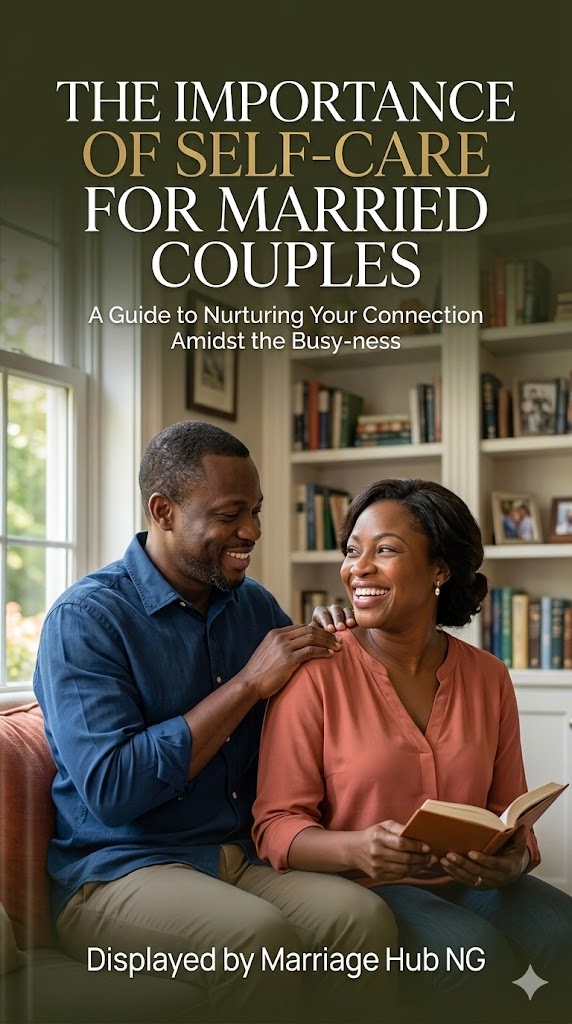
The Importance of Self-Care for Married Couples
Marriage is a beautiful journey of love, companionship, and shared responsibilities. However, in the midst of caring for a spouse, raising children, managing finances, and navigating daily challenges, couples often neglect one critical component of a healthy marriage: self-care.
Self-care is not selfish. It is the practice of prioritizing one’s physical, mental, and emotional well-being. When both partners engage in self-care, they not only enhance their individual lives but also strengthen the health and harmony of the marriage.
In this article, we explore why self-care is essential for married couples, how neglecting it can impact the relationship, and practical ways couples can incorporate self-care habits into their daily lives.
Why Self-Care Matters in Marriage
Self-care is the foundation for emotional resilience, physical health, and mental clarity. When couples neglect self-care, they may experience stress, frustration, or burnout, which can spill over into their relationship.
The benefits of self-care for married couples include:
-
Improved emotional regulation: Reduces the likelihood of reactive or harmful communication.
-
Enhanced intimacy: Feeling good physically and mentally allows partners to engage more deeply with each other.
-
Stronger problem-solving skills: Couples who care for themselves are better equipped to handle challenges together.
-
Reduced stress and tension: Maintaining personal well-being prevents minor issues from escalating into major conflicts.
Ultimately, self-care enables couples to bring their best selves into the relationship, fostering love, patience, and understanding.
How Neglecting Self-Care Can Affect a Marriage
Ignoring self-care can have serious consequences for a marriage. Common effects include:
-
Emotional exhaustion: Feeling drained can lead to irritability and impatience with your spouse.
-
Communication breakdowns: Stress and fatigue make meaningful conversation harder, resulting in misunderstandings.
-
Reduced intimacy: Lack of energy and confidence can affect physical and emotional closeness.
-
Resentment: Feeling overlooked or overwhelmed may lead to resentment toward your partner.
By recognizing these risks, couples can understand that taking care of themselves is not optional—it is essential for a healthy marriage.
Physical Self-Care: Fueling Your Body and Energy
Physical well-being is foundational for a thriving marriage. When individuals prioritize physical health, they have the energy and vitality needed to nurture their relationship.
Key Physical Self-Care Habits
-
Exercise Regularly
-
Engaging in physical activity reduces stress and boosts mood. Couples can exercise together or individually.
-
-
Eat Nutritious Meals
-
A balanced diet enhances energy, reduces irritability, and supports overall health.
-
-
Prioritize Sleep
-
Restful sleep is crucial for emotional regulation and focus, preventing unnecessary conflicts.
-
-
Attend Regular Health Check-Ups
-
Preventive care ensures that minor health issues do not affect your well-being or marriage.
-
When both partners are physically healthy, they are better able to engage positively with each other.
Mental Self-Care: Caring for the Mind
Mental self-care focuses on maintaining clarity, reducing stress, and managing emotions. Mental well-being directly affects how partners interact and respond to each other.
Mental Self-Care Practices
-
Mindfulness and Meditation: Reduce stress and enhance emotional awareness.
-
Hobbies and Personal Interests: Pursuing individual passions nurtures fulfillment and personal identity.
-
Limit Overwhelm: Setting boundaries on work and social obligations preserves mental space for your spouse.
-
Journaling: Reflecting on emotions and experiences helps couples process feelings constructively.
When both partners maintain mental well-being, they approach challenges with patience and empathy.
Emotional Self-Care: Nurturing Feelings and Relationships
Emotional self-care involves understanding and regulating one’s emotions while fostering healthy interpersonal relationships.
Emotional Self-Care Habits
-
Express Feelings Openly: Sharing emotions honestly reduces misunderstandings.
-
Seek Support: Talking to trusted friends, mentors, or therapists can provide perspective.
-
Set Healthy Boundaries: Emotional boundaries prevent resentment and maintain respect.
-
Practice Gratitude: Recognizing the positives in your life and marriage nurtures emotional resilience.
Couples who attend to their emotional needs can create a safe and supportive environment for each other.
Self-Care as a Shared Practice in Marriage
Self-care is often viewed as an individual activity, but couples can benefit from shared self-care practices that promote bonding and mutual well-being.
Ideas for Shared Self-Care
-
Couples Exercise: Walking, jogging, or attending fitness classes together strengthens both bodies and relationships.
-
Mindful Conversations: Setting aside time to discuss feelings and goals promotes emotional intimacy.
-
Date Nights: Regular intentional outings refresh the connection between partners.
-
Spiritual Practices: Prayer, meditation, or attending worship together nurtures unity and shared purpose.
-
Joint Hobbies: Cooking, painting, or gardening together fosters enjoyment and collaboration.
Shared self-care reinforces the idea that marriage is a partnership, and well-being is a mutual responsibility.
Overcoming Common Barriers to Self-Care
Despite knowing its benefits, couples may struggle to practice self-care due to:
-
Busy work schedules
-
Parenting responsibilities
-
Financial constraints
-
Cultural expectations that prioritize caregiving over personal needs
Strategies to Overcome Barriers
-
Schedule Self-Care: Treat self-care as an appointment, just like any other obligation.
-
Start Small: Even 10–15 minutes of daily self-care can make a difference.
-
Delegate Responsibilities: Share household tasks to free time for personal and shared self-care.
-
Support Each Other: Encourage your partner to prioritize their well-being.
Overcoming these barriers ensures that both partners can maintain balance and satisfaction in the marriage.
Benefits of Regular Self-Care for Married Couples
Couples who prioritize self-care experience numerous long-term benefits, including:
-
Improved Communication: Less stress leads to clearer and more constructive conversations.
-
Increased Intimacy: Physical and emotional health enhances connection and romance.
-
Greater Resilience: Couples can navigate challenges without unnecessary strain.
-
Happier Partnership: Personal fulfillment contributes to overall marital satisfaction.
-
Positive Role Modeling: Couples who practice self-care demonstrate healthy habits to children or peers.
Self-care is not just beneficial individually—it directly strengthens the relationship.
Creating a Personalized Self-Care Plan as a Couple
Developing a self-care routine ensures consistency and accountability. Couples can create a plan by:
-
Identifying Needs: Each partner lists physical, mental, and emotional self-care requirements.
-
Setting Goals: Decide on daily, weekly, and monthly self-care activities.
-
Scheduling Together: Coordinate activities to support each other’s routines.
-
Tracking Progress: Reflect on improvements and adjust the plan as needed.
-
Celebrating Achievements: Acknowledge small wins and reinforce positive habits.
A personalized self-care plan ensures that both partners remain committed to their well-being and the health of the marriage.
Final Thoughts
Self-care is essential for a thriving, long-lasting marriage. When couples prioritize physical, mental, and emotional well-being—individually and together—they create a foundation of health, resilience, and mutual respect.
Neglecting self-care can lead to stress, communication breakdowns, and emotional distance, but intentional self-care strengthens emotional connection, intimacy, and partnership. By developing daily habits and shared practices, married couples can enjoy a more balanced, loving, and fulfilling relationship.
Remember, taking care of yourself is not selfish—it is an act of love for your spouse, your marriage, and yourself.
Join the MarriageHub Community
You don’t have to navigate marriage alone. MarriageHub offers support, resources, and communities for couples seeking to grow emotionally, spiritually, and personally.
👉 Join groups or tribes here: https://www.marriagehub.ng/all-groups
👉 Create your own relationship group or tribe here: https://www.marriagehub.ng/create-tribes-group
You can also explore helpful products, services, and downloadable resources designed to strengthen marriages in our marketplace:









.jpg)




Sign in to comment