 Nurturing Marriages, Enriching Families!
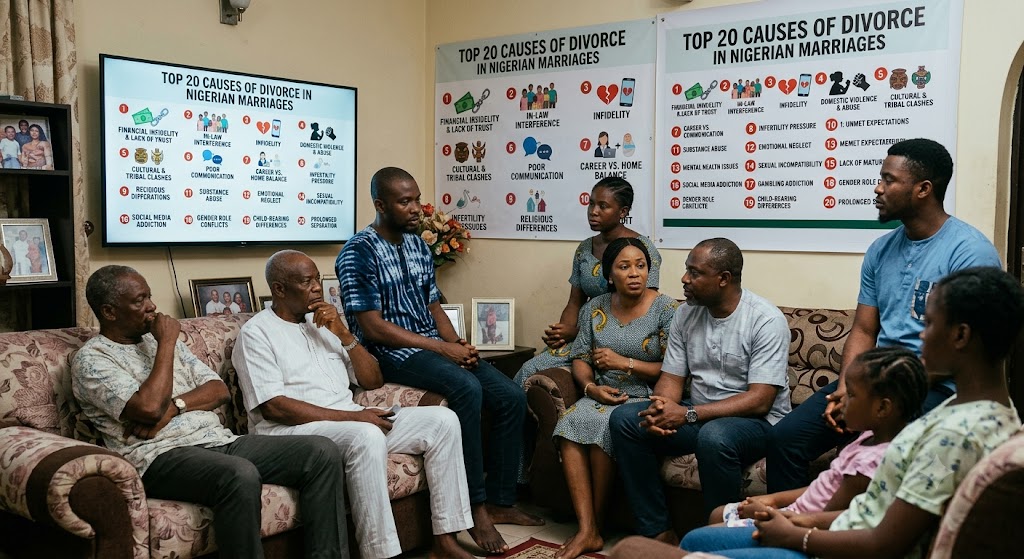
Top 20 Causes of Divorce in Nigerian Marriages: Data, Real-Life Insights and Practical Solutions
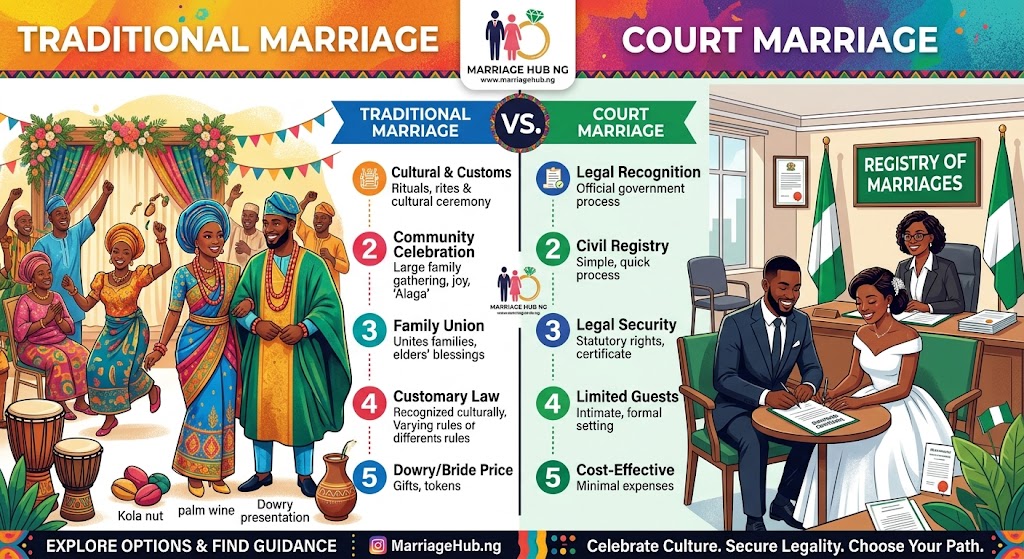
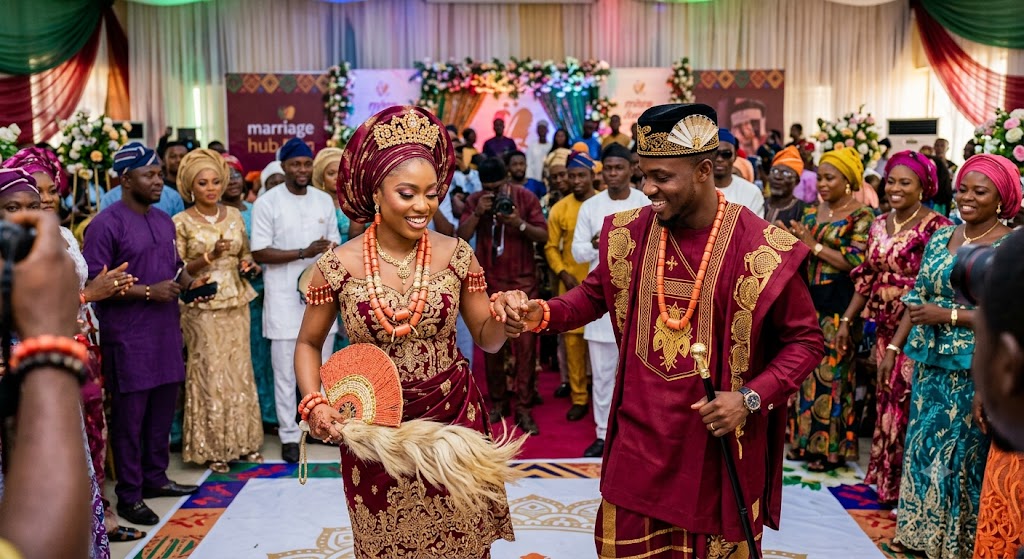
Marriage is one of the most respected institutions in Nigeria. Across the country's diverse cultures and religions, millions of couples enter marriage every year through traditional ceremonies, court weddings, church weddings, and Islamic marriages with dreams of building lifelong families. Weddings are often colourful celebrations attended by relatives, friends, and well-wishers who pray for lasting unions filled with love, prosperity, and happiness.
Despite these aspirations, not every marriage survives the test of time. Although Nigeria still records lower divorce rates than many Western countries due to strong cultural, religious, and family values, relationship experts, family courts, and marriage counsellors agree that marital breakdowns are becoming increasingly common, especially in urban centres such as Lagos, Abuja, Port Harcourt, Enugu, Kano, Benin City, and Ibadan. Economic hardship, changing social values, increasing financial responsibilities, and the influence of social media have all contributed to growing pressures on Nigerian families.
Studies on family relationships consistently show that divorce is rarely caused by a single issue. Instead, it usually results from several unresolved problems that gradually weaken trust, communication, intimacy, and commitment. Understanding these challenges can help singles prepare better for marriage and enable married couples to strengthen their relationships before problems become irreversible.
One of the most common causes of divorce in Nigeria is financial pressure. The rising cost of living, unemployment, inflation, increasing school fees, rent, healthcare expenses, and responsibilities towards extended family members have created enormous stress for many households. Financial disagreements often begin with seemingly minor issues such as undisclosed loans, excessive spending, or differing priorities regarding savings. Over time, these disagreements can evolve into constant arguments that damage emotional intimacy.
A couple living in Lagos, for example, may earn reasonable incomes yet struggle because one spouse secretly supports relatives or accumulates debts without informing the other. Once trust surrounding money is broken, rebuilding the relationship becomes significantly more difficult.
Closely connected to financial problems is infidelity, which remains one of the leading reasons Nigerian marriages end in divorce. Infidelity extends beyond physical relationships and increasingly includes emotional affairs conducted through social media, messaging applications, and workplace relationships. Once one spouse discovers betrayal, feelings of anger, disappointment, and mistrust often replace affection. Many marriage counsellors across Nigeria identify unfaithfulness as one of the most frequent issues presented during counselling sessions.
Poor communication also plays a major role in marital breakdown. Many couples speak to each other daily but rarely engage in honest and meaningful conversations. Instead of discussing concerns calmly, they resort to criticism, silence, insults, or avoidance. Problems that could have been resolved through open dialogue gradually accumulate until resentment becomes deeply rooted. Successful marriages depend not only on talking but also on listening with empathy and responding with understanding.
Domestic violence continues to destroy countless families across Nigeria. Physical assault, emotional abuse, verbal intimidation, sexual violence, and psychological manipulation leave lasting emotional scars and often create unsafe environments for spouses and children. Although women are disproportionately affected, men also experience various forms of abuse. Modern relationship experts increasingly encourage victims to seek professional help rather than remain in abusive relationships due to cultural expectations or fear of public criticism.
Another significant factor is the gradual loss of trust. Marriage flourishes when couples feel emotionally secure and confident in each other's honesty. However, constant suspicion regarding finances, friendships, social media interactions, phone conversations, or unexplained movements can gradually erode that confidence. Once trust disappears, even innocent actions may be interpreted as evidence of wrongdoing, creating a cycle of accusations and defensiveness.
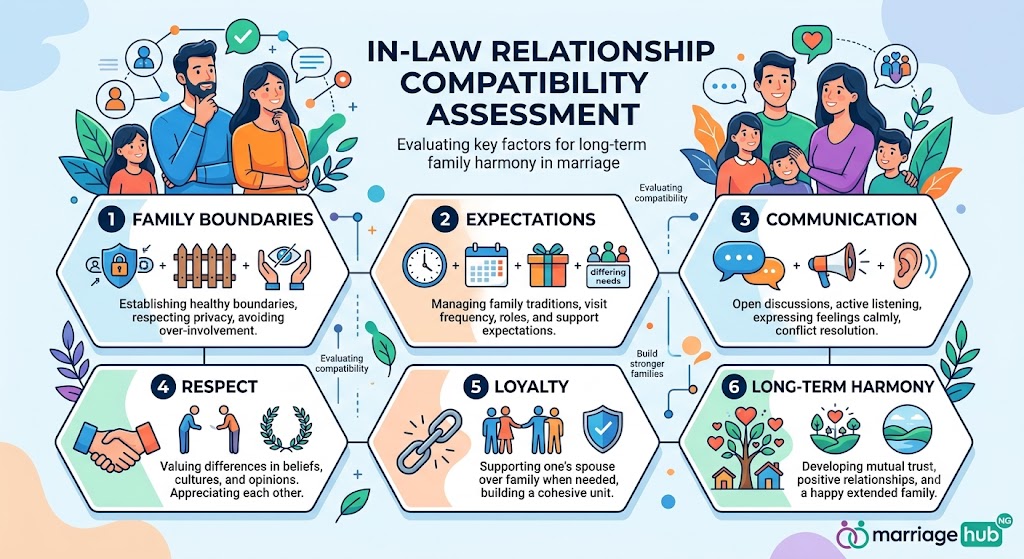
Extended family interference has long been recognised as a challenge within many Nigerian marriages. Strong family bonds remain an important cultural value, but problems arise when relatives become overly involved in decisions that should be made by the couple themselves. Disagreements about finances, where to live, parenting, or family obligations frequently create tension. Many couples who establish respectful but firm boundaries with their extended families enjoy healthier relationships while still maintaining close family ties.
A lack of emotional intimacy also contributes significantly to divorce. Some couples continue living together under the same roof but gradually become strangers emotionally. Conversations become transactional, affection diminishes, and emotional support disappears. Loneliness within marriage can sometimes feel more painful than loneliness outside it. Emotional intimacy is built through shared experiences, quality conversations, appreciation, and genuine concern for one another's wellbeing.
Sexual incompatibility is another issue that many Nigerian couples avoid discussing openly. Cultural taboos surrounding conversations about intimacy often prevent spouses from addressing dissatisfaction or medical concerns that affect their relationship. Differences in expectations, untreated health conditions, emotional distance, or inadequate communication regarding intimacy may gradually increase frustration and resentment over time.
Unrealistic expectations have also become increasingly common. Social media platforms frequently portray idealised versions of marriage that create false impressions about what real relationships should look like. Newly married couples sometimes expect constant romance, financial abundance, or perfect harmony without recognising that every successful marriage requires patience, compromise, sacrifice, and continuous growth.
Fertility challenges remain one of the most emotionally difficult experiences for many Nigerian couples. Although medical evidence shows that infertility affects both men and women, societal expectations often place disproportionate blame on women. Pressure from relatives, repeated medical treatments, and emotional distress can severely strain even strong marriages. Couples who face these challenges together with mutual understanding generally cope better than those who resort to blame and accusations.
Various forms of addiction have also become growing threats to family stability. Excessive alcohol consumption, gambling, online betting, drug abuse, pornography addiction, and other compulsive behaviours often result in financial losses, broken trust, neglect of family responsibilities, and emotional disconnection. Professional counselling and rehabilitation programmes have helped many families recover when intervention occurs early.
Respect remains one of the strongest foundations of marriage within Nigerian society. When spouses consistently insult, ridicule, embarrass, or undermine each other, particularly in front of children or relatives, emotional wounds deepen over time. Mutual respect allows couples to disagree without destroying each other's dignity and creates an atmosphere where love can flourish.
Religious differences also contribute to marital conflict when expectations are not discussed before marriage. Disagreements concerning worship practices, religious celebrations, the upbringing of children, or financial commitments to religious organisations may become major sources of tension if couples fail to reach mutual understanding from the beginning.
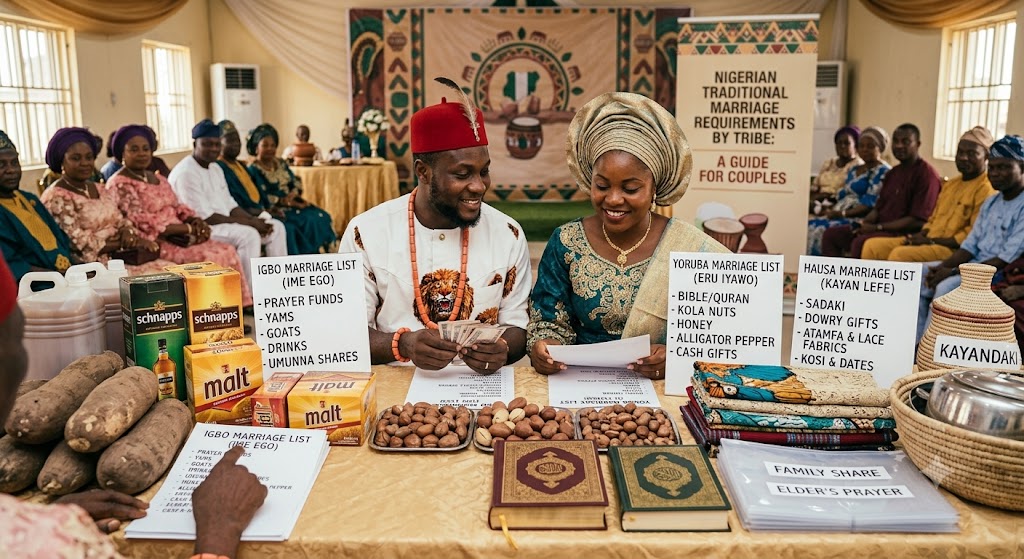
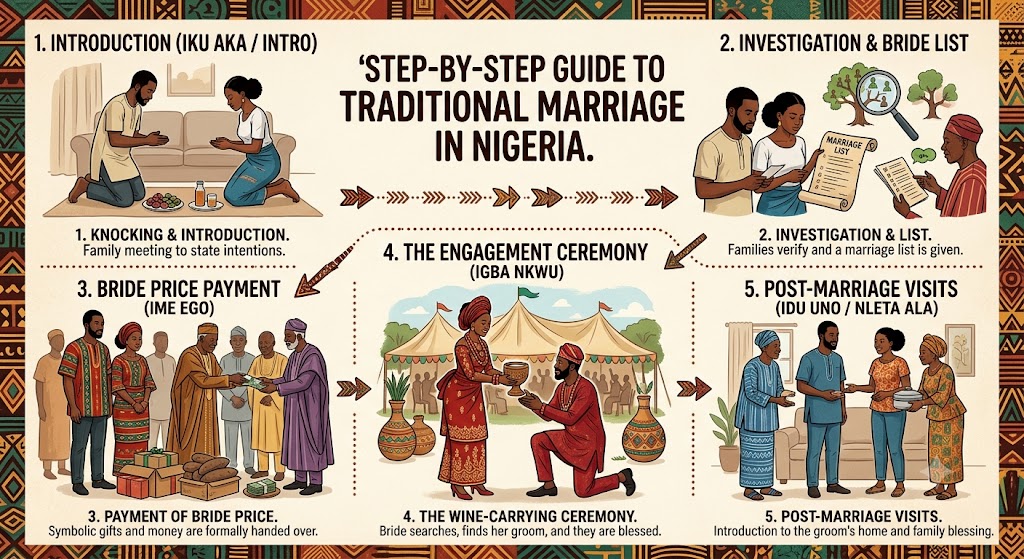
Nigeria's rich cultural diversity is one of its greatest strengths, yet tribal and cultural differences can also create challenges. Customs relating to bride price, inheritance, family responsibilities, parenting approaches, and gender roles sometimes differ considerably between ethnic groups. Couples who openly discuss these cultural expectations before marriage often experience fewer misunderstandings later.
Career pressure has become another significant challenge in modern Nigerian marriages. Professionals in banking, healthcare, entrepreneurship, oil and gas, aviation, telecommunications, and other demanding sectors frequently spend long hours away from home. When work consistently takes priority over family life, emotional distance gradually develops. Maintaining a healthy balance between career ambitions and family responsibilities remains essential for long-term marital satisfaction.
The influence of social media cannot be ignored. Platforms that were originally designed to connect people now sometimes create unrealistic comparisons, encourage emotional affairs, expose private marital disagreements, or promote unhealthy lifestyle expectations. Healthy couples learn to use technology responsibly without allowing it to replace genuine human connection.
Many marriages also suffer because couples entered the relationship without adequate preparation. Love alone cannot prepare individuals for the realities of married life. Discussions about finances, parenting, conflict resolution, family planning, career goals, household responsibilities, and long-term aspirations should occur before marriage rather than after problems arise.
Poor conflict resolution further contributes to divorce. Every marriage experiences disagreements, but successful couples understand that conflict itself is not the problem. Instead, the inability to resolve disagreements respectfully allows resentment to accumulate over many years. Couples who learn to apologise sincerely, forgive genuinely, and seek solutions together are generally more resilient.
Another important factor is the absence of shared goals. Marriage is strongest when both partners are working towards a common future that includes financial security, children's education, home ownership, retirement planning, business development, or other shared dreams. When spouses pursue completely different life paths without mutual support, emotional distance often follows.
Mental health challenges have also become increasingly recognised as contributors to marital difficulties. Depression, anxiety, unresolved childhood trauma, chronic stress, and other psychological conditions can affect communication, intimacy, parenting, and overall relationship satisfaction. Unfortunately, mental health remains heavily stigmatised in many parts of Nigeria, preventing couples from seeking the professional support that could save their marriages.
Real-life experiences continue to demonstrate how these issues affect ordinary Nigerian families. A young couple in Abuja appeared financially comfortable until the wife discovered that her husband had accumulated substantial online loan debts to maintain an expensive lifestyle. Debt recovery agents eventually began contacting relatives, creating embarrassment and destroying trust within the marriage. In another case, a newly married woman who moved into her husband's family home experienced constant interference from relatives regarding cooking, finances, and childbearing. Because her husband rarely defended her, emotional distance developed until separation became unavoidable.
A businessman in Port Harcourt devoted most of his time to work while his wife increasingly sought emotional companionship through online friendships. Neither openly discussed their growing dissatisfaction until the relationship had deteriorated beyond repair.
Although these stories reflect different circumstances, they all highlight one important lesson: most divorces result from unresolved issues that accumulate over time rather than from a single event. Early communication, mutual respect, financial transparency, emotional support, professional counselling, and a shared commitment to growth can prevent many marriages from ending in divorce.
Marriage is a lifelong journey that requires continuous effort from both partners. Love may bring two people together, but trust, communication, patience, forgiveness, commitment, and shared purpose are what sustain a successful marriage. Couples who intentionally nurture these qualities are far more likely to build strong, resilient families capable of overcoming life's inevitable challenges.
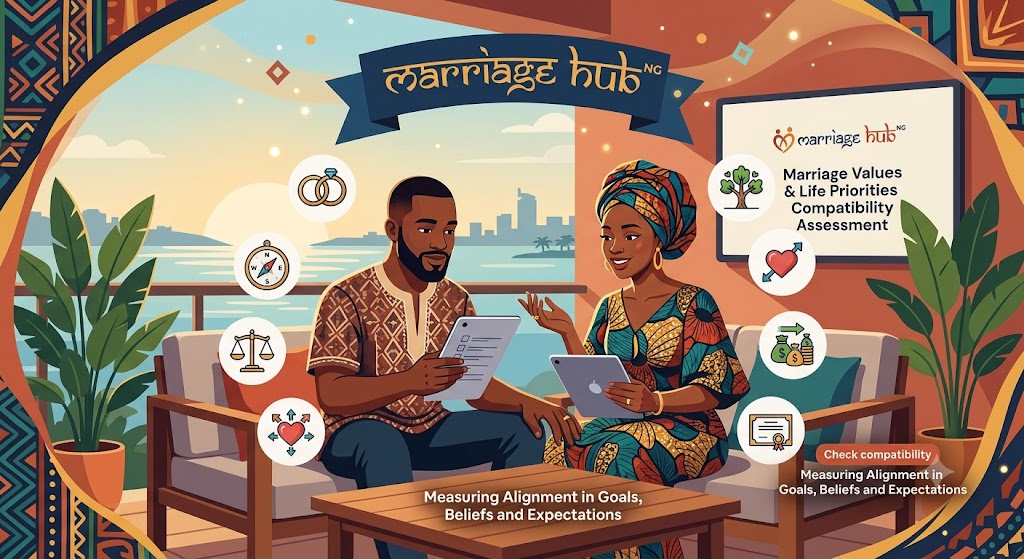
If you are preparing for marriage, newly married, or seeking to strengthen your relationship, MarriageHub.ng provides practical resources designed specifically for Nigerian couples. You can take the Marriage Readiness Test by visiting https://www.marriagehub.ng/analyzer/index.php to better understand your strengths and areas for improvement before making lifelong commitments. If you have sensitive relationship concerns, you can ask anonymous questions at https://www.marriagehub.ng/questions-answers and receive guidance from the community.
Planning a wedding or family celebration? Create a beautiful digital invitation through https://www.marriagehub.ng/annouce-my-event/. If you are searching for a life partner, explore the matchmaking platform at https://www.marriagehub.ng/match-making/frontend/discover.php. Couples planning their weddings can also browse trusted wedding vendors at https://www.marriagehub.ng/vendors.
MarriageHub.ng also offers vibrant communities where you can connect with people who share similar interests and relationship goals. Join existing groups and tribes by visiting https://www.marriagehub.ng/all-groups or create your own community at https://www.marriagehub.ng/create-tribes-group. You can also purchase relationship resources, products, professional services, wedding items, and downloadable materials through the MarriageHub Marketplace at https://www.marriagehub.ng/marketplace.
Stay connected with MarriageHub Nigeria on WhatsApp at https://whatsapp.com/channel/0029VbCav9MCcW4pw3GSM72w, on X at https://x.com/MarriageHubNG, on Facebook at https://web.facebook.com/MarriageHubNigeria, and on Instagram at https://www.instagram.com/marriagehubng3.




.jpg)
Sign in to comment