 Nurturing Marriages, Enriching Families!
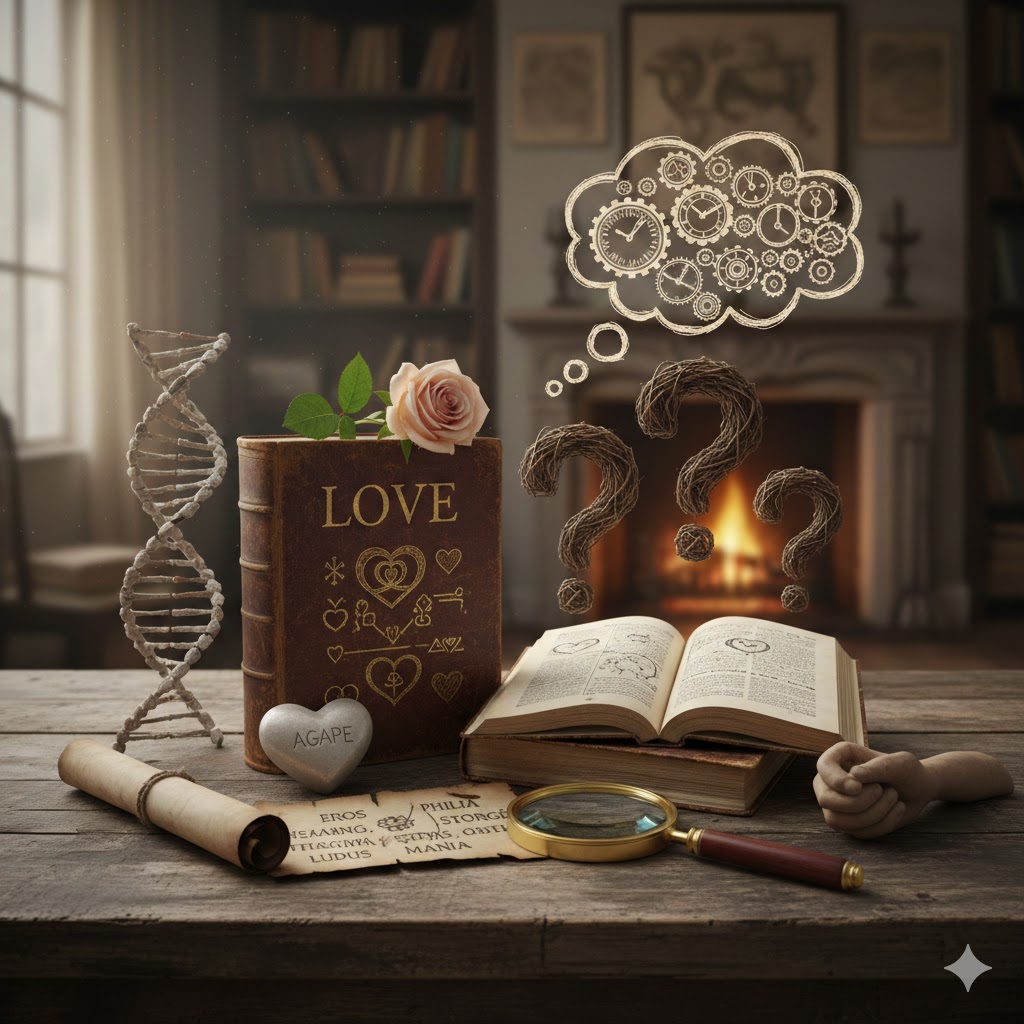
What Is Love? Meaning, History, Signs and Types
Love is one of the most powerful and universal human experiences. It shapes relationships, influences decisions, inspires sacrifice, and gives life deeper meaning. Yet, despite its importance, love is often misunderstood.
Some see it as a feeling, others as an action, and many as a combination of both. To truly understand love, it is important to explore its meaning, historical background, common signs, and different forms.
Meaning of Love
Love is a deep emotional connection characterized by care, affection, commitment, and concern for another person’s well-being. True love goes beyond attraction or excitement. It involves patience, kindness, trust, respect, and a willingness to support and grow with another person.
In healthy relationships, love is not just about how someone makes you feel but also about how you choose to treat them, especially during difficult moments. Love is both emotional and intentional—it is felt and practiced.
A Brief History of Love
Throughout history, love has been viewed differently across cultures and eras. In ancient times, love was often associated with survival, family alliances, and social structure. Romantic love was not always considered necessary for marriage, especially in traditional societies where unions were arranged.
Ancient Greek philosophers categorized love into different forms, such as romantic love, friendship, and selfless love, helping to shape how love is understood today. During the Middle Ages, romantic love gained prominence through poetry, literature, and courtship traditions. In modern times, love has become closely linked to personal happiness, emotional fulfillment, and choice.
Cultural, religious, and societal influences continue to shape how love is expressed and understood, particularly in African and Nigerian contexts where love often extends beyond couples to include family and community.
Signs of Love
Love reveals itself through consistent actions and attitudes rather than words alone. One key sign of love is genuine care—wanting the best for someone even when it requires sacrifice. Respect is another sign, shown by valuing opinions, boundaries, and individuality.
Trust and honesty are strong indicators of love. When people feel safe being vulnerable and truthful, love is present. Commitment is also a major sign, demonstrated by staying through challenges and working toward shared goals.
Other signs include empathy, patience, forgiveness, support, and the desire to grow together. Love encourages emotional safety, not fear or control.
Types of Love
Love exists in many forms, each playing a vital role in human relationships. Romantic love involves emotional and physical attraction, intimacy, and commitment between partners. It is often associated with marriage and long-term relationships.
Familial love is the bond shared among family members. It is rooted in loyalty, protection, and shared identity. This form of love is especially strong in African cultures where family ties are deeply valued.
Platonic love refers to deep friendship and emotional closeness without romantic involvement. It is built on trust, companionship, and mutual respect.
Self-love is the foundation of healthy relationships. It involves valuing oneself, setting boundaries, and maintaining emotional well-being. Without self-love, it becomes difficult to love others healthily.
Unconditional love is characterized by selflessness and acceptance. It is often associated with parental love and spiritual teachings that emphasize compassion and forgiveness.
Companionate love develops over time in long-term relationships. It is marked by deep friendship, shared experiences, and emotional security rather than intense passion alone.
Love in Everyday Life
Love is expressed daily through small acts—listening, showing appreciation, offering support, and choosing kindness. It grows when nurtured and weakens when neglected. Healthy love allows individuals to remain themselves while growing together.
In relationships and marriages, love thrives on communication, trust, shared values, and intentional effort. It is not perfect, but it is resilient when both people are committed.
Love is more than a feeling; it is a choice, a practice, and a journey. Understanding its meaning, history, signs, and types helps individuals build healthier relationships and make wiser decisions in love and marriage.
When love is grounded in respect, commitment, and care, it becomes a powerful force that sustains relationships through every season of life.






.jpg)



Sign in to comment