 Nurturing Marriages, Enriching Families!
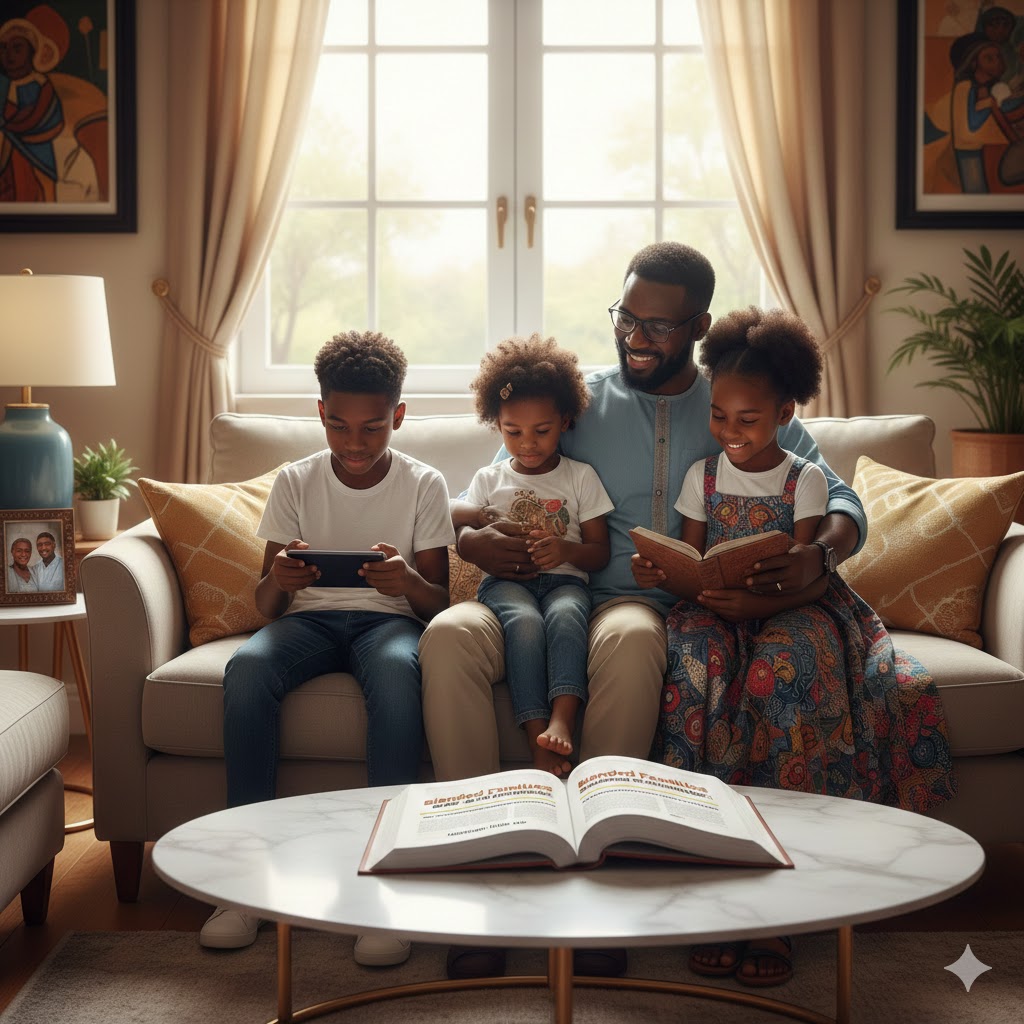
Blended Families and Second Marriages: A Comprehensive Relationship Guide for Couples With Children.
Table of Contents
• 1. Introduction
• 2. Understanding Blended Families in Nigeria
• 3. The Nigerian Landscape: Facts & Figures
• 4. Pre-Marriage Conversations Every Couple Must Have
• 5. Step-Parenting in Nigeria: Building Trust With Your Partner’s Children
• 6. Preparing for Marriage When Children Are Involved
• 7. Common Challenges Blended Families Face — and How to Overcome Them
• 8. Creating Harmony in Your Blended Family
• 9. Legal Considerations for Blended Families in Nigeria
• 10. The Role of Extended Family and Community in Nigeria
• 11. Financial Planning for Blended Families
• 12. When to Seek Professional Help
• 13. FAQs: Blended Families and Second Marriages in Nigeria
• 14. Conclusion
1. Introduction
Nigeria is a nation of rich cultural diversity, deep-rooted family values, and evolving social dynamics. With a population of over 220 million people and one of the highest rates of marriage in Africa, Nigeria is also experiencing a quiet revolution in family structures. More Nigerians are entering second marriages, adopting blended family arrangements, and navigating the complex but deeply rewarding journey of raising children from previous relationships alongside new spouses.
Blended families — sometimes called step-families or reconstituted families — are not new to Nigerian society. Polygamous households have historically created family structures involving multiple mothers, step-siblings, and shared parental figures. However, the modern blended family born out of divorce, widowhood, or separation brings with it a unique set of emotional, financial, and relational challenges that many Nigerian couples are unprepared to face.
The truth is: love may bring two adults together, but building a genuinely harmonious blended family takes intentional work, open communication, patience, and a willingness to prioritise the well-being of every child involved. Children in blended families are particularly vulnerable. Research consistently shows that children thrive not just when their parents are happy, but when the adults in their lives are cooperative, consistent, and emotionally available.
This comprehensive guide is designed to walk Nigerian couples through every stage of building a successful blended family — from pre-marriage conversations and co-parenting arrangements, to step-parenting strategies, financial planning, discipline frameworks, and emotional health. Whether you are considering a second marriage, already in one, or supporting a loved one navigating this terrain, this guide offers practical, culturally sensitive, and evidence-informed guidance.
|
Why This Guide Matters for Nigeria Nigeria’s divorce rate has been rising steadily. The National Population Commission (NPC) and various family law practitioners estimate that up to 1 in 3 Nigerian marriages end in separation or divorce. This means hundreds of thousands of Nigerian children are living in blended family settings — many without adequate support structures around them. Couples entering second marriages with children deserve honest, thorough preparation. |
2. Understanding Blended Families in Nigeria
What Is a Blended Family?
A blended family is any family unit in which one or both partners bring children from a previous relationship into a new marriage or cohabiting partnership. This may include:
• A widowed parent who remarries and introduces a stepparent to their children
• A divorced parent entering a new marriage with their children
• Two divorced or widowed parents each bringing children from previous relationships into a new union
• Parents who were never married but have children and form new partnerships
In the Nigerian context, blended families can arise from a variety of circumstances, including divorce, separation, the death of a spouse, polygamous arrangements, or children born outside marriage. The sociocultural dynamics of each scenario may differ significantly, but the core challenges of building cohesion, trust, and stability remain the same.
The Cultural Dimension
Nigeria’s cultural framework around marriage and family is deeply communal. In most Nigerian communities — whether Yoruba, Igbo, Hausa-Fulani, Efik, Tiv, Ijaw, or any of the hundreds of ethnic groups — marriage is not simply between two individuals; it is a union of families. This communal aspect can be both a strength and a challenge for blended families.
On one hand, extended family networks can provide vital support, childcare assistance, and emotional grounding. On the other, extended family members may harbour biases about stepchildren, question the legitimacy of second marriages, or even interfere in ways that undermine the new family unit. Couples must develop strategies to honour cultural expectations while firmly establishing the primacy of their new family’s needs.
Blended Families vs. Traditional Polygamous Households
It is important to distinguish between blended families arising from divorce or widowhood and polygamous households. While both can involve multiple maternal or paternal figures and step-siblings, they carry different legal, emotional, and social dynamics. This guide primarily addresses blended families formed through monogamous second marriages, though many of the principles apply broadly.
3. The Nigerian Landscape: Facts & Figures
Divorce and Remarriage Rates in Nigeria
Understanding the statistical landscape helps contextualise the growing relevance of blended family guidance in Nigeria. Here are some key data points drawn from available research, surveys, and reports from Nigerian institutions:
|
~35% |
Estimated percentage of Nigerian marriages that end in separation or divorce, according to family law practitioners and NPC reports |
|
40%+ |
Proportion of divorced Nigerians who remarry within 5 years, particularly in urban centres like Lagos, Abuja, and Port Harcourt |
|
~60% |
Percentage of blended family challenges attributed to step-parenting conflicts, according to a 2022 Nigerian marriage counselling survey |
|
1 in 4 |
Nigerian children are estimated to be living in a non-nuclear family arrangement, including step-family, single-parent, or extended family settings |
Common Causes of Marriage Breakdown Leading to Blended Families
The most common reasons for marriage dissolution in Nigeria that subsequently lead to blended family formation include:
• Infidelity and extramarital affairs
• Domestic violence and abuse
• Financial disagreements and economic hardship
• Irreconcilable differences in values or lifestyle
• Interference from extended family members
• Death of a spouse (widowhood)
• Mental health challenges and addiction
• Incompatibility discovered after marriage
Remarriage Trends Across Nigerian Cities
Remarriage is most prevalent in Nigeria’s urban centres. Lagos, as Nigeria’s commercial capital with a population of over 15 million, records the highest rates of divorce and remarriage. Abuja, the capital territory, shows similar trends driven by high-income, educated, and career-focused demographics. Enugu, Port Harcourt, Ibadan, and Kano all show growing trends in second marriages, especially among professionals aged 35–50.
Rural and semi-urban areas tend to have lower formal divorce rates, partly because many marriages in these areas are not legally registered, and separations may not be officially recorded. However, informal remarriages and blended family arrangements are common across rural Nigeria as well.
4. Pre-Marriage Conversations Every Couple Must Have
Before entering a second marriage where children are involved, couples must engage in deep, honest, and sometimes uncomfortable conversations. Our article Blended Families in Nigeria: What Couples Must Discuss Before Marriage provides an extensive breakdown of these critical discussions. Here we summarise the most essential topics.
Your Parenting Philosophy
Do you and your new partner share compatible views on child discipline, education, religion, and lifestyle? Couples who fail to align on parenting philosophies before marriage often find these differences become major sources of conflict after marriage. Discuss specifics: How do you handle tantrums? What are your views on corporal punishment? How important is academic performance in your household?
The Role of the Biological Parent
When a new partner enters the picture, children may feel their biological parent is being displaced or replaced. Couples must agree on how to maintain the biological parent’s role while creating space for the stepparent to build their own authentic relationship with the children. The stepparent should never be positioned as a replacement for the absent biological parent.
Co-Parenting With an Ex-Spouse
If your children’s other biological parent is still living and involved, co-parenting dynamics will significantly impact your blended family. Discuss: How do you currently relate with your ex? How does your new partner feel about your co-parenting arrangement? How will your new spouse handle situations where you need to coordinate with your former partner for the children’s sake?
Financial Responsibilities and Child Support
Money is one of the leading causes of conflict in blended families. Before marriage, couples must discuss: Who pays for which child’s school fees? How are household expenses divided? Will the stepparent be expected to financially support stepchildren? Is there a child support arrangement in place with the other biological parent?
Living Arrangements and Space
Where will everyone live? How will rooms be arranged? Do the children have dedicated, private spaces? Living arrangements signal to children whether they are truly valued and welcomed in the new family structure. Crowded, poorly planned living arrangements can breed resentment.
Discipline: Who Has Authority?
One of the most contentious issues in any blended family is discipline. Discuss upfront: Will the stepparent have disciplinary authority? How will differences in disciplinary styles be resolved? What happens if a child defies a stepparent? Agreeing on a consistent, fair approach before marriage can prevent enormous conflict later.
|
Pre-Marital Counselling Is Not Optional Nigerian couples entering second marriages with children are strongly advised to undergo pre-marital counselling — ideally with a counsellor who specialises in blended families. Many churches, mosques, and professional therapists in Nigeria now offer this service. It is one of the best investments you can make in your family’s future. |
5. Step-Parenting in Nigeria: Building Trust With Your Partner’s Children
Step-parenting is one of the most rewarding yet challenging roles a person can undertake. Our dedicated resource on Step-Parenting 101: How to Build Trust With Your Partner’s Children Before and After Marriage dives deep into this topic. Here are the foundational principles.
The Emotional World of the Child
Children in blended families are often processing a complex mix of emotions: grief over the loss of the original family structure, loyalty conflicts between biological parents, anxiety about their place in the new family, and sometimes resentment toward the new stepparent. Before attempting to discipline or parent, every stepparent must first seek to understand and empathise with the child’s emotional reality.
The Danger of Moving Too Fast
A common mistake new stepparents make is trying to assume full parental authority too quickly. This almost always backfires. Children need time to grieve, adjust, and gradually accept new adults in their lives. The process of building trust with a stepchild typically takes two to four years — sometimes longer. Patience is not optional; it is essential.
Strategies for Building Trust
Spend One-on-One Time
Identify each stepchild’s individual interests and invest time in activities they love. Whether it is watching football, cooking, playing video games, or doing homework together, consistent, enjoyable one-on-one time builds the foundation of a real relationship.
Respect Their Relationship With Their Biological Parent
Never speak negatively about the child’s biological parent — even if that parent has been harmful or absent. Children internalise attacks on their parents as attacks on themselves. Be neutral, supportive, and encouraging of healthy parent-child bonds wherever possible.
Be Consistent and Predictable
Children who have experienced family breakdown often carry deep anxiety about instability. Stepparents who are consistent — in their temperament, their words, their promises, and their presence — provide the stability that helps children heal and trust again.
Avoid Playing Favourites
If you have biological children of your own and stepchildren, the greatest threat to family harmony is the perception of favouritism. Be acutely self-aware about how you distribute attention, resources, discipline, and affection between biological children and stepchildren.
Communicate Through the Biological Parent
Especially in the early stages of a blended family, major parenting decisions should be communicated to stepchildren through the biological parent. This reduces the child’s feeling of being controlled by a stranger and reinforces the unified front of the couple.
Nigerian Cultural Expectations on Step-Parents
In many Nigerian cultures, step-parents are expected to play a full parental role — providing financially, maintaining discipline, and exercising authority. However, this expectation often conflicts with children’s needs for gradual trust-building. Stepparents should communicate with their spouse and, if necessary, the extended family about the importance of allowing the parent-child relationship to develop organically rather than being forced.
6. Preparing for Marriage When Children Are Involved
Our article Preparing for Marriage When Children Are Involved: A Practical Guide for Blended Families provides a comprehensive checklist for couples. Here are some of the most critical preparation areas.
Introduce the New Partner Gradually
Do not introduce your new partner to your children as your future spouse immediately. Begin with casual, group settings where there is no pressure on anyone. Allow children to get comfortable with this new person in their lives before announcing your intention to marry. Springing wedding news on children who barely know your partner is a recipe for disaster.
Have Age-Appropriate Conversations With Your Children
Younger children (ages 3–7) will need simple, reassuring explanations about what a new marriage means for them. Older children and teenagers will need more honest, nuanced conversations that acknowledge their feelings and give them space to ask questions. Teenagers especially need to feel heard, not managed.
Create a Family Vision Together
Before the wedding, gather everyone — both adults and children — for conversations about what kind of family you all want to be. What are your shared values? What traditions do you want to create? What does everyone hope this family will look like? This collaborative approach signals to children that their voice matters in the new family.
Plan a Meaningful Wedding That Includes the Children
Many couples in blended family situations choose to incorporate their children meaningfully into their wedding ceremonies. This might involve children carrying rings, lighting a unity candle together, or receiving symbolic gifts during the ceremony. These gestures communicate that the wedding is not just the union of two adults — it is the formation of an entire new family.
Set Up a Family Meeting Routine
Establish a regular family meeting practice before or shortly after the wedding. Family meetings give every member a safe, structured space to share concerns, celebrate achievements, discuss household rules, and problem-solve together. This practice builds a sense of democratic belonging that is especially important for stepchildren who may feel like outsiders.
7. Common Challenges Blended Families Face — and How to Overcome Them
For a deeper exploration of these issues, see our resource on Common Challenges in Blended Families and How Couples Can Overcome Them.
Challenge 1: Loyalty Conflicts in Children
Children in blended families often feel they are betraying one parent by accepting or loving the other parent’s new spouse. This loyalty conflict can manifest as acting out, withdrawal, defiance toward the stepparent, or emotional shutdown.
How to Overcome It
Reassure children regularly that loving a stepparent does not diminish their love for their biological parent. Facilitate positive co-parenting dynamics so children do not feel caught between warring adults. Seek professional help if loyalty conflicts become severe.
Challenge 2: Inconsistent Discipline
When biological children and stepchildren are disciplined differently, or when the stepparent and biological parent have conflicting disciplinary styles, children learn to play one adult against the other. This can erode the couple’s unity and create chaos in the household.
How to Overcome It
Develop a shared, written family charter that outlines household rules, expectations, and consequences. Review it regularly and ensure all adults in the home are applying it consistently. The biological parent should ideally lead on discipline in the early stages of the blended family.
Challenge 3: Extended Family Interference
In Nigeria, in-laws, grandparents, aunties, and uncles often have strong opinions about how children should be raised. A new spouse may face resistance or undermining behaviour from their partner’s extended family, who may favour biological grandchildren over step-grandchildren, or who may subtly sabotage the new marriage.
How to Overcome It
Couples must present a unified front to extended family. Have clear, respectful but firm conversations with family members about boundaries. Extended family members who consistently undermine the blended family’s stability may need to have their access or influence limited for the sake of the household’s health.
Challenge 4: Favouritism and Resource Distribution
When children perceive that one child is favoured over another — whether in attention, finances, discipline, or affection — the resulting jealousy and resentment can poison the entire family atmosphere.
How to Overcome It
Conduct regular self-audits. Are you spending equal time with all children? Are resources distributed fairly? Are you holding biological and stepchildren to the same standards? Ask your partner to gently hold you accountable.
Challenge 5: The Absent Parent’s Influence
In many Nigerian blended families, the absent biological parent can be a source of ongoing disruption. This may involve speaking negatively about the new spouse to the children, undermining household rules, or using the children as messengers in ongoing conflict.
How to Overcome It
Maintain civil, child-focused communication with the absent parent wherever possible. Never retaliate by speaking badly about them to the children. If the absent parent’s behaviour is genuinely harmful, seek legal advice about custody arrangements.
Challenge 6: Couple Intimacy and Quality Time
With multiple children, the demands of co-parenting, work, and extended family obligations, Nigerian couples in blended families often neglect their own relationship. A strong couple relationship is actually the single most important protective factor for children in blended families — and it requires deliberate investment.
How to Overcome It
Schedule regular date nights. Have daily check-ins with your partner. Seek couples’ counselling if communication has broken down. Remember that your relationship is the foundation on which your blended family is built.
8. Creating Harmony in Your Blended Family
For practical tools on this topic, visit our guide on Creating Harmony in a Blended Family: Boundaries, Discipline, and Respect for Step-Parents.
Establishing Household Rules That Apply to Everyone
One of the most powerful things a blended family can do is establish a clear, fair, and universally applied set of household rules. These rules should be co-created by both adults and ideally involve input from older children. Rules about screen time, homework, chores, curfews, and respectful communication should apply equally to all children in the home.
Boundaries: What They Are and Why They Matter
Healthy boundaries are the architecture of a harmonious household. In blended families, boundaries must be established in three key areas:
• Boundaries between adults and children: Clarity about each adult’s role and authority
• Boundaries with ex-spouses: Ensuring former partners do not destabilise the new family
• Boundaries with extended family: Protecting the household’s autonomy and culture
The Role of Rituals and Shared Experiences
Family rituals are the glue of family identity. Eating dinner together, celebrating milestones, annual family trips, Sunday worship, weekly movie nights — these shared experiences build a shared history that defines the blended family as a real family, not just a collection of individuals sharing a roof.
Teaching Respect for the Step-Parent
Children do not automatically respect stepparents, and forcing respect rarely works. Respect must be earned gradually through consistent, caring, fair behaviour. However, the biological parent plays a critical role in modelling respectful behaviour toward their new spouse. When children see their biological parent genuinely respect, value, and defend their new partner, they are much more likely to follow suit.
Managing Conflict Constructively
Conflict in blended families is inevitable. The goal is not to eliminate conflict but to handle it in ways that strengthen rather than weaken the family. This means:
• Addressing conflicts privately between adults before involving children
• Using ‘I feel’ statements rather than blame
• Seeking to understand before seeking to be understood
• Calling a time-out when emotions escalate
• Following up conflicts with genuine repair conversations
9. Legal Considerations for Blended Families in Nigeria
Marriage Under Nigerian Law
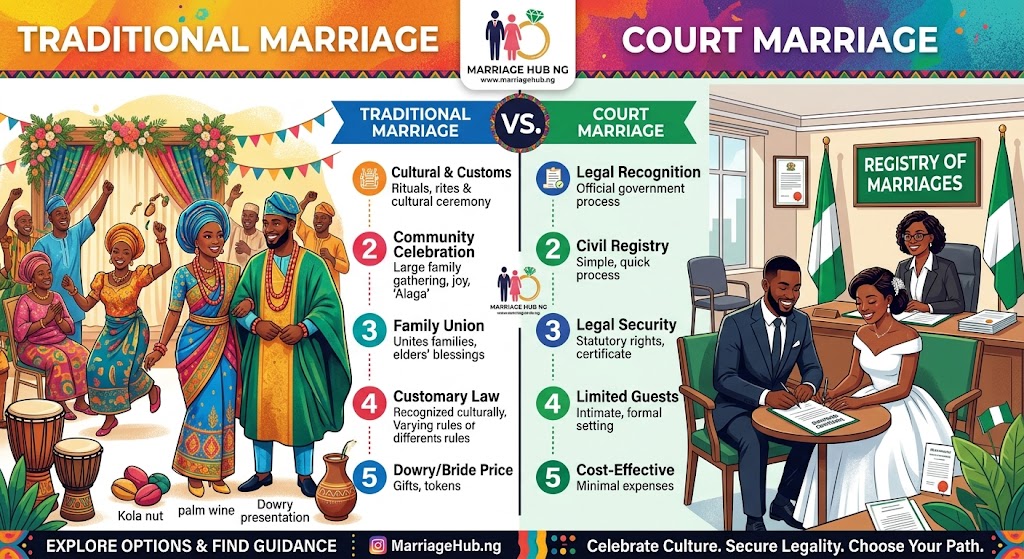
In Nigeria, marriages can be contracted under three legal frameworks: statutory marriage (under the Marriage Act), customary marriage, and Islamic marriage (for Muslims in applicable states). Each framework has different implications for property rights, inheritance, and the legal status of children. Couples in blended families should understand which legal framework governs their marriage and what it means for their children.
Adoption and Legal Guardianship
Some stepparents wish to legally adopt their stepchildren. In Nigeria, adoption is governed by the Child Rights Act (2003) and state-level child rights laws. Adoption of a stepchild requires the consent of the other biological parent (if living) and approval from a court. Legal guardianship is an alternative arrangement that grants parental rights without severing the child’s legal connection to their biological parent.
Wills and Inheritance
Blended families must give careful attention to estate planning. Without a properly drafted will, Nigerian inheritance laws may not automatically protect stepchildren’s rights to assets. Couples should consult a qualified Nigerian lawyer to draft wills that clearly articulate their wishes for all children in the household.
Child Custody and Support Orders
Where divorce or separation has previously occurred, formal custody and child support orders may be in place. These are legally binding and must be respected. Entering a new marriage does not automatically change existing custody arrangements. Any modifications must be sought through the courts.
10. The Role of Extended Family and Community in Nigeria
Harnessing the Support of Extended Family
When extended family members embrace a blended family with warmth and inclusivity, the positive impact on children is enormous. Grandparents who treat all grandchildren — biological and step — equally are one of the greatest gifts a blended family can receive. Couples should proactively work to help extended family members understand the importance of equal treatment.
Religious Community Support
Nigeria is a deeply religious nation, and faith communities — churches and mosques alike — play a significant role in shaping attitudes toward divorce, remarriage, and blended families. While some religious communities may stigmatise second marriages or divorce, many progressive Nigerian faith leaders now offer counselling, support groups, and guidance specifically for blended families. Identifying and engaging a supportive faith community can be a powerful resource.
Peer Support and Community Groups
Connecting with other blended family couples who understand your experience is invaluable. Peer support normalises challenges, provides practical advice, and reduces the isolation that many blended family parents feel. Platforms like MarriageHub.ng provide community spaces where Nigerian couples can connect, share experiences, and access expert resources.
11. Financial Planning for Blended Families
Building a Transparent Financial Structure
Financial opacity is one of the fastest ways to destroy trust in a blended family. Both partners should have full visibility of the household’s financial situation — including income, debts, child support obligations, and savings. Creating a joint household budget that accounts for all children’s needs is an essential early step.
Handling Child Support and Maintenance
In many Nigerian blended families, one or both partners may be paying or receiving child support from previous relationships. These financial obligations must be treated as non-negotiable responsibilities, not sources of resentment. Openly discussing child support arrangements — and their impact on the household budget — prevents financial surprises and reduces conflict.
Education Planning
One of the most significant financial commitments for Nigerian parents is education. Couples must agree early on how school fees, uniforms, extracurricular activities, and private lessons will be funded for all children in the household. Will biological parents be solely responsible for their own children’s education costs? Will the household pool resources? These questions must be answered explicitly.
Building a Joint Financial Future
Beyond managing current obligations, blended family couples should plan their financial future together. This includes joint savings goals, retirement planning, property acquisition, and investment. A financial adviser familiar with Nigerian family law and tax implications can be extremely helpful in designing a financial plan that protects all family members.
12. When to Seek Professional Help
Signs That Your Blended Family Needs Professional Support
Not every challenge in a blended family can be resolved through conversation and goodwill alone. There are signs that professional support — from a family therapist, marriage counsellor, or child psychologist — is needed:
• Persistent conflict between stepparent and stepchild that does not improve over time
• A child showing signs of emotional or psychological distress: depression, anxiety, aggression, or withdrawal
• The biological parents’ marriage is under significant strain due to blended family challenges
• An absent biological parent is actively undermining the household
• Substance abuse, domestic violence, or mental health issues in the household
• Difficulty co-parenting with an ex-spouse
Finding Professional Help in Nigeria
Professional family counselling services are available across Nigeria’s major cities. Many hospitals, churches, and NGOs offer subsidised or free counselling services. Online therapy platforms have also expanded significantly in Nigeria, making it possible for couples and families to access professional support remotely. MarriageHub.ng’s marketplace connects couples to qualified marriage counsellors, family therapists, and relationship coaches across Nigeria.
The Importance of Individual Therapy for Children
Children in blended families often benefit enormously from individual therapy. A child psychologist or play therapist provides a safe space for children to process their emotions without the complexity of family loyalty dynamics. Parents who prioritise their children’s mental health in this way are giving their blended family the very best chance of thriving.
13. FAQs: Blended Families and Second Marriages in Nigeria
Q1: How long does it typically take for a blended family to feel ‘normal’?
Research, including studies applicable to African family structures, suggests that it takes an average of 4 to 7 years for a blended family to fully integrate and develop a cohesive family identity. However, this timeline varies greatly depending on the ages of the children, the quality of co-parenting with ex-spouses, the couple’s relationship strength, and the support structures around the family. Do not measure your family’s success by how quickly it feels settled — patience is a virtue in blended family life.
Q2: Should a stepparent discipline stepchildren?
This is one of the most debated questions in blended family dynamics. The consensus among family therapists is that stepparents should build a relationship foundation first before assuming disciplinary authority. In the early years, the biological parent should take the lead on discipline, while the stepparent assumes a supportive, friendly adult role. As trust develops over time, disciplinary authority can gradually be shared. Jumping into discipline too quickly is a common mistake that erodes trust.
Q3: What if my children refuse to accept my new spouse?
Children refusing to accept a new stepparent is very common and does not necessarily signal a permanent problem. The key is not to force acceptance. Give children time and space to adjust. Ensure your children feel heard and that their concerns are taken seriously. Continue building your relationship with your new partner in ways that do not exclude the children. Individual therapy for the resistant child can be very helpful. If resistance persists for years, seek family counselling to identify and address the underlying issues.
Q4: How do we handle Christmas, Eid, and other celebrations in a blended family?
Blended families must negotiate holiday arrangements carefully, especially when shared custody with an ex-spouse is involved. The most successful approach is to be flexible and child-focused. Some families alternate holidays between households. Others create new traditions that belong uniquely to the blended family, giving children something to look forward to that is distinct from celebrations in either biological parent’s home. The goal is to minimise conflict and maximise the children’s joy.
Q5: Is it a good idea for my new spouse to adopt my children?
Adoption by a stepparent can provide legal security, especially if the biological parent is absent or deceased. However, it is a significant legal step that permanently alters the child’s legal family ties. For older children, their own wishes should be seriously considered. It is important that the decision is driven by the child’s best interests, not by the adults’ desire to formalise the family structure. Consult a qualified Nigerian family lawyer before proceeding.
Q6: How do we handle financial inequality between children in a blended family?
Financial inequality — where one child has a wealthier biological parent who provides extras — is a common and sensitive issue. The key is to be as equitable as possible within the household, ensuring that all children’s basic needs are met at a similar standard. Where disparities exist due to external child support, have age-appropriate conversations with older children. The goal is to prevent children from developing resentment toward each other due to financial differences that are not their fault.
Q7: What is the most common reason blended families fail in Nigeria?
Based on available counselling data and family therapy research in Nigerian contexts, the most common reason blended families struggle is inadequate preparation before marriage. Couples who do not have thorough pre-marriage conversations about parenting, finances, discipline, and co-parenting arrangements are significantly more likely to face conflicts that escalate into marital breakdown. Additionally, extended family interference and unrealistic timelines for family cohesion contribute heavily to blended family difficulties.
Q8: How do I co-parent effectively with a difficult ex-spouse in Nigeria?
Co-parenting with a difficult ex-spouse requires a business-like approach: keep communication child-focused, stick to agreed schedules, avoid emotional reactivity, and document significant agreements in writing. Use a neutral third party — such as a mediator or counsellor — when direct communication is too volatile. If your ex is consistently undermining your household or violating custody agreements, seek legal advice. Remember: the goal of co-parenting is not to have a good relationship with your ex; it is to give your children the stability of two co-operative parenting figures.
14. Conclusion
Building a blended family is one of the most courageous and complex undertakings a Nigerian couple can choose. It requires not just love — though love is essential — but also wisdom, patience, humility, cultural awareness, legal literacy, financial planning, and an unwavering commitment to the well-being of every child in the household.
Nigeria’s rapidly changing family landscape means that more and more couples are navigating second marriages and step-parenting without adequate maps or guides. The stigma that has historically surrounded divorce and remarriage in Nigerian society is gradually giving way to a more compassionate, nuanced understanding of the complex realities of modern family life. Blended families are not broken families — they are families in the process of being rebuilt, often with tremendous love and determination.
The most successful blended families in Nigeria share several characteristics: they communicate openly and regularly, they prioritise the children’s emotional health, they invest in their couple relationship, they set and maintain healthy boundaries with extended family, they plan their finances transparently, and they seek professional help when they need it. These are not unattainable ideals; they are achievable practices that any couple can cultivate with intention and support.
If you are currently navigating a blended family journey, know that you are not alone. Thousands of Nigerian couples are walking the same path — with hope, challenges, breakthroughs, and setbacks in equal measure. The resources, communities, and tools available on MarriageHub.ng are here to walk with you every step of the way.
|
Your Blended Family Can Thrive With the right preparation, support, and commitment, blended families do not just survive — they flourish. Children in well-managed blended families develop resilience, adaptability, empathy, and a rich sense of belonging that serves them throughout their lives. You have what it takes to build something beautiful for your family. |
Join Our Community on MarriageHub.ng
Are you navigating the beautiful, complex journey of a blended family? You don’t have to do it alone. MarriageHub.ng is Nigeria’s leading marriage and relationship platform, and we have built spaces specifically for couples, parents, and individuals facing every aspect of family life.
• Join existing groups and tribes of like-minded couples and parents:
• Browse and join community groups at https://www.marriagehub.ng/all-groups
• Start your own tribe or support group at https://www.marriagehub.ng/create-tribes-group
• Purchase products, services, and downloadable resources from our marketplace at https://www.marriagehub.ng/marketplace — including e-books, counselling sessions, and blended family toolkits.
Follow MarriageHub.ng on Social Media
Stay connected, get daily relationship tips, and join the conversation with thousands of Nigerians building stronger marriages and families:
• 📱 WhatsApp Channel: https://whatsapp.com/channel/0029VbCav9MCcW4pw3GSM72w
• 🐦 X (Twitter): https://x.com/MarriageHubNG
• 💙 Facebook: https://web.facebook.com/MarriageHubNigeria
• 📸 Instagram: https://www.instagram.com/marriagehubng3




.jpg)

Sign in to comment